How to cook meat | Anya Fernald and Lex Fridman
TL;DR
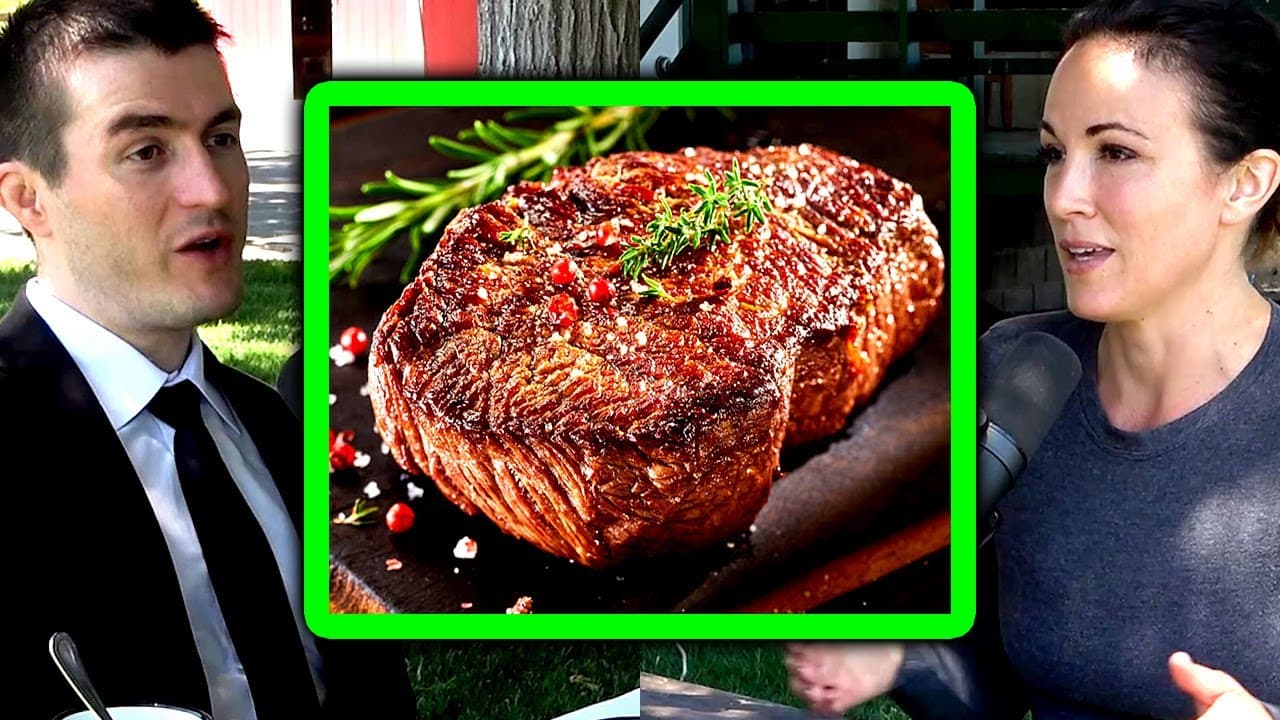
Understanding the type of muscle in the animal and the surface area to volume ratio is crucial in cooking meat perfectly.
Transcript
is there a science is there an art to cooking meat well and the different kinds of meats is there something you can convert into words in to say ideas how to bring out the best out of what particular meat whatever steak we're talking about whatever beef we're talking about is there something that can be said the basic approach to cooking any type o... Read More
Key Insights
- 💪 The type of muscle in an animal affects how it should be cooked, with tender muscles requiring less cooking time and load-bearing muscles needing special methods to become tender.
- 🍳 Connective tissue, such as collagen, reacts differently to heat compared to muscles. Slow cooking or minimal cooking with moisture is necessary to make it tender.
- 🧑🍳 The surface area to volume ratio of meat impacts how it should be cooked, with thicker cuts requiring different techniques to ensure even cooking.
- 👨 Fat content adds flavor to meat but is not as crucial as collagen in determining tenderness and texture.
- 🥵 The source of heat, such as indirect or direct heat, and the use of wood, charcoal, or gas, can also affect the flavor and evenness of heat distribution in the meat.
- 🥰 Understanding the science and art behind cooking meat allows for better preparation and enhances the taste and texture of dishes.
- 🥩 Different cuts of meat, such as ribeye, skirt steak, or brisket, require different cooking techniques based on the muscle type and collagen content.
Install to Summarize YouTube Videos and Get Transcripts
Explore YouTube Video Summarizer or Get YouTube Transcript Extractor
Questions & Answers
Q: What role does the type of muscle in an animal play in cooking meat?
The type of muscle determines the tenderness and functionality of the meat. Tender muscles require less cooking time, while load-bearing muscles need different techniques to become tender.
Q: How does connective tissue affect the cooking process?
Connective tissue, such as collagen, does not respond well to high heat. It can become tough and chewy. Slow cooking with moisture or minimal cooking is required to make it tender.
Q: Is fat content more important than connective tissue in cooking meat?
While fat adds flavor, connective tissue plays a significant role in texture and tenderness. Collagen, when properly cooked, adds a gelatinous consistency that enhances mouthfeel in dishes like bone broth or slow-cooked pork shoulder.
Q: Does the surface area to volume ratio of meat matter in cooking?
Yes, it determines how heat penetrates the meat. Thicker cuts require different cooking methods than thinner cuts. The amount of surface area in contact with heat and liquid affects the cooking process.
Summary & Key Takeaways
-
The type of muscle in the animal determines its tenderness and how it should be cooked. Tender muscles are not frequently used, while load-bearing muscles require special cooking techniques.
-
Connective tissue, such as collagen, affects how meat cooks. It can become tough when exposed to high heat, so slow cooking or minimal cooking is necessary.
-
The surface area to volume ratio of the meat impacts how it should be cooked. Thicker cuts require a different cooking method than thinner cuts to ensure even cooking.
Read in Other Languages (beta)
Share This Summary 📚
Summarize YouTube Videos and Get Video Transcripts with 1-Click
Try YouTube Summary with ChatGPT & Claude or YouTube Transcript Generator
Explore More Summaries from Lex Clips 📚






Summarize YouTube Videos and Get Video Transcripts with 1-Click
Try YouTube Summary with ChatGPT & Claude or YouTube Transcript Generator