Apocalipse | Nerdologia
TL;DR
The video explores various cultural interpretations of the apocalypse.
Transcript
Welcome to Nerdologia, I am... oh no, wait... I won't host the show today. When Nerdologia started it was all about science in the movies. And today we talk about various subjects But of course we have yet a lot of things to discover And how about, history? And in good company. Yes, if you wanted more about human sciences here in Nerdologia No one ... Read More
Key Insights
- The video introduces Filipe Figueiredo as the new host for Nerdologia's history segment, focusing on historical interpretations of the apocalypse.
- Apocalypse, often associated with the end of the world, actually means 'discovery' or 'revelation' in Greek, highlighting its religious context.
- Different cultures and religions have unique apocalyptic narratives, such as Judaic eschatology, Ragnarok in Norse mythology, and Islamic beliefs involving a final battle.
- Common themes in apocalyptic stories include massive battles, resurrection, and the presence of a Messiah or redeemer figure.
- The Mayan calendar's end in 2012 was a recent example of apocalyptic prediction, although it did not result in the end of the world.
- Hinduism views time as cyclical, with each cycle lasting billions of years, ending with a renewal by the god Brahma.
- The concept of Armageddon originates from the Hebrew term 'Har Megiddo,' referring to a great battle at Mount Megiddo.
- The video emphasizes that these narratives reflect the cultural and religious diversity in understanding the concept of the apocalypse.
Install to Summarize YouTube Videos and Get Transcripts
Explore YouTube Video Summarizer or Get YouTube Transcript Extractor
Questions & Answers
Q: What is the significance of the word 'apocalypse' in a religious context?
In a religious context, 'apocalypse' derives from the Greek word meaning 'discovery' or 'revelation.' It signifies the unveiling of new knowledge, often related to divine truths or the end times. This contrasts with the popular notion of apocalypse as merely the end of the world, highlighting its deeper, more nuanced meaning.
Q: How does Judaic eschatology describe the end of times?
Judaic eschatology does not foresee a destructive end but rather a time when God restores the Temple in Jerusalem and the Messiah comes. This is predicted to occur before the year 6000 in the Jewish calendar, equivalent to 2240 CE, ushering in an era of peace and justice with the resurrection of the dead.
Q: What is Ragnarok in Norse mythology?
Ragnarok, meaning 'God's destiny,' is the Norse mythological end of the world involving a great battle among gods, resulting in the deaths of many, including Odin and Thor. The aftermath includes natural disasters and the submergence of the world in water, followed by renewal and the rebirth of humanity through Líf and Lífþrasir.
Q: What role does the Messiah play in apocalyptic narratives?
In apocalyptic narratives, the Messiah often serves as a redeemer or savior figure who brings about a new era of peace and justice. This figure appears in various religious traditions, symbolizing hope and renewal amidst chaos and destruction, and is a recurring theme in eschatological stories.
Q: How does Hinduism view the concept of time and the apocalypse?
Hinduism perceives time as cyclical, with each cycle, or Kalpa, lasting over four billion years. At the end of each cycle, the universe is renewed by Brahma, the god of creation. This cyclical view contrasts with linear apocalyptic narratives, emphasizing renewal and the perpetuity of time rather than an absolute end.
Q: What was the significance of the Mayan calendar ending in 2012?
The conclusion of the Mayan calendar in 2012 sparked widespread speculation about a potential apocalypse. However, it marked the end of a long count cycle, not the world itself. This event highlighted the fascination and anxiety surrounding apocalyptic predictions, despite their cultural and historical contexts often being misunderstood.
Q: What is Armageddon and its origin?
Armageddon originates from the Hebrew term 'Har Megiddo,' referring to a prophesied great battle at Mount Megiddo. It is often used metaphorically to describe any end-of-world scenario involving catastrophic conflict. This concept has permeated various cultural narratives, symbolizing ultimate confrontation and resolution.
Q: What are some common elements found in apocalyptic stories?
Apocalyptic stories frequently include themes of massive battles, resurrection, and the emergence of a Messiah or redeemer. These narratives often depict a transformative period leading to renewal or salvation, reflecting humanity's enduring fascination with the end times and the hope for a subsequent new beginning.
Summary & Key Takeaways
-
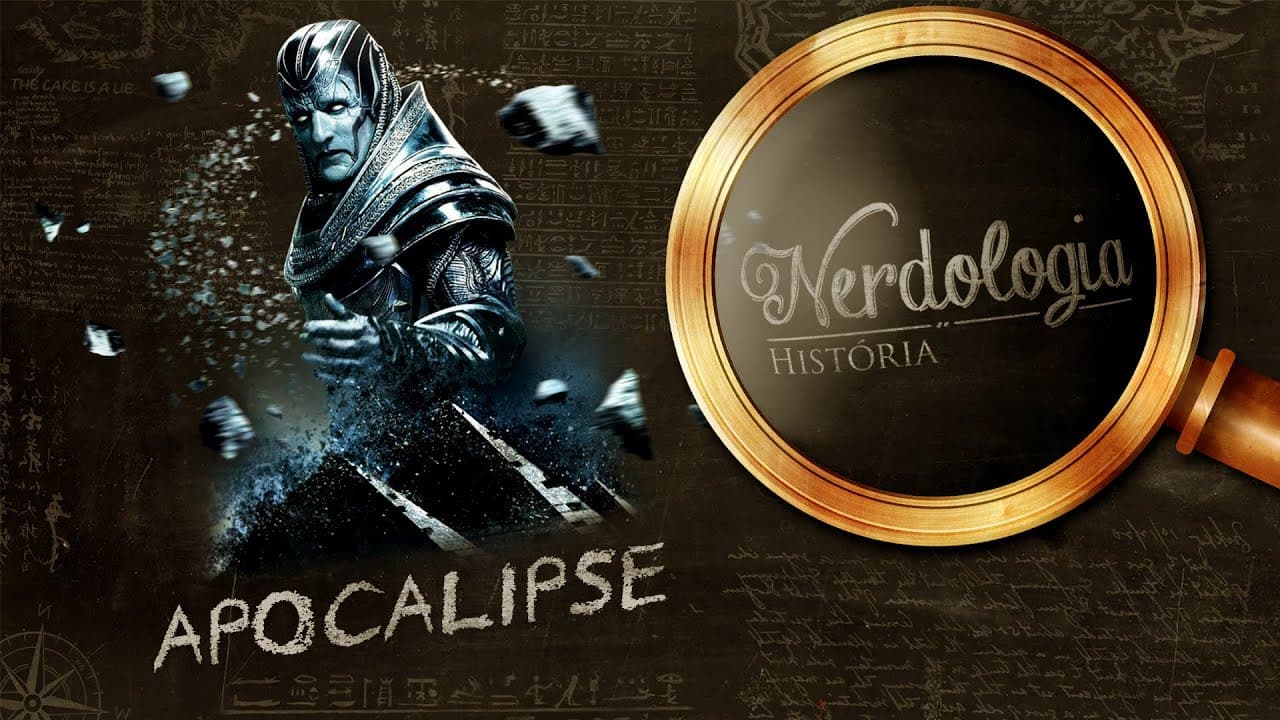
Nerdologia introduces a new segment focused on historical interpretations of the apocalypse, hosted by Filipe Figueiredo. The episode explores the meaning of the word 'apocalypse' and its religious context, contrasting it with popular cultural interpretations like Marvel's Apocalypse character.
-
Various cultures and religions have their unique narratives about the end of the world. These include Judaic eschatology, Norse mythology's Ragnarok, and Islamic beliefs involving a great battle and the coming of a redeemer.
-
Common elements in these apocalyptic stories include massive battles, resurrection, and a Messiah or redeemer. Hinduism's cyclical view of time and the recent example of the Mayan calendar's end in 2012 are also discussed, highlighting cultural diversity in apocalyptic beliefs.
Read in Other Languages (beta)
Share This Summary 📚
Summarize YouTube Videos and Get Video Transcripts with 1-Click
Try YouTube Summary with ChatGPT & Claude or YouTube Transcript Generator
Explore More Summaries from Nerdologia 📚



Summarize YouTube Videos and Get Video Transcripts with 1-Click
Try YouTube Summary with ChatGPT & Claude or YouTube Transcript Generator