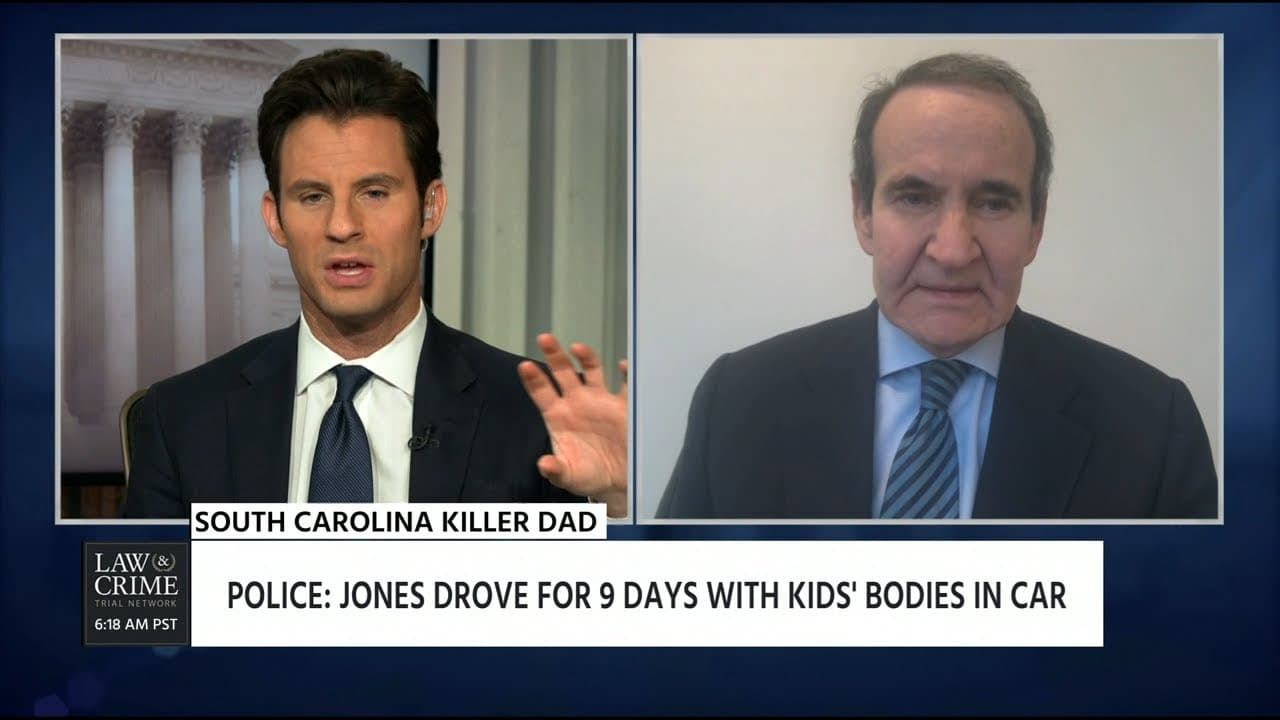
Jesse Weber & Frmr Fed Prosecutor Kendall Coffey Discuss the Verdict in Timothy Jones Penalty Phase
TL;DR
Former federal prosecutor and host discuss death penalty sentencing in a horrific case, examining jury decisions and legal complexities.
Transcript
good morning everybody and welcome to lawn crime I'm Jesse Weber and thanks for joining us here on the program we'll recover the most interesting live trials and legal stories in the news today we're gonna be live in a major trial we have a lot to cover let's break it all down joining me is former federal prosecutor Kendall Coffey Kendall great to ... Read More
Key Insights
- ❓ The prosecutor's emphasis on the severity of the crime and impact on victims swayed the jury towards the death penalty.
- 🥹 Victim impact statements hold emotional weight but may not always alter the outcome of a death penalty trial.
- 🤳 The defendant's emotional responses during the trial could reflect a self-centered focus rather than genuine remorse.
- 😀 Defense attorneys face an uphill battle in advocating for a convicted killer's life in the face of overwhelming evidence.
- 🏣 Post-conviction remedies and execution method challenges add complexity to death penalty cases in South Carolina.
- 🧑🏭 Legal analysis of aggravating circumstances versus mitigating factors guides jury decisions in death penalty sentencing.
- 🥳 The emotional toll on all parties involved in a death penalty trial underscores the somber nature of such cases.
Install to Summarize YouTube Videos and Get Transcripts
Explore YouTube Video Summarizer or Get YouTube Transcript Extractor
Questions & Answers
Q: How did the prosecutor's closing argument influence the jury's decision in this death penalty case?
The prosecutor's powerful argument centered on the heinous nature of the crime, emphasizing the need for a punishment that fits the severity of the act. By highlighting the horrors endured by the victims, the prosecutor swayed the jury towards the death penalty.
Q: What role do victim impact statements play in jury deliberations for death penalty sentencing?
Victim impact statements allow family members of the deceased to express the emotional toll of the loss, influencing jurors' perspectives on the appropriate punishment. In this case, the jury's consideration of these statements was overshadowed by the brutal nature of the crime.
Q: How significant is the defendant's emotional display during the trial, particularly in relation to discussions about his family and confession?
The defendant's selective display of emotion, primarily around self-referential topics like his family or confession, could indicate a lack of genuine remorse or empathy for the victims. This behavior may have subtly influenced perceptions of his culpability.
Q: What challenges does the defense face in advocating for a convicted killer's life, especially in a case with overwhelming evidence?
The defense's task becomes daunting when confronted with irrefutable evidence of the defendant's actions, forcing them to utilize emotional appeals and legal justifications for a life sentence. Despite their efforts, the gravity of the crime often overshadows their arguments.
Summary & Key Takeaways
-
Discussion on the death penalty sentencing in a harrowing case involving aggravating circumstances and mental illness considerations.
-
Analysis of prosecution and defense strategies in the trial, focusing on emotional impact and legal arguments.
-
Explanations of post-conviction remedies and concerns over execution methods in South Carolina.
Read in Other Languages (beta)
Share This Summary 📚
Summarize YouTube Videos and Get Video Transcripts with 1-Click
Try YouTube Summary with ChatGPT & Claude or YouTube Transcript Generator
Explore More Summaries from Law&Crime Network 📚



Summarize YouTube Videos and Get Video Transcripts with 1-Click
Try YouTube Summary with ChatGPT & Claude or YouTube Transcript Generator