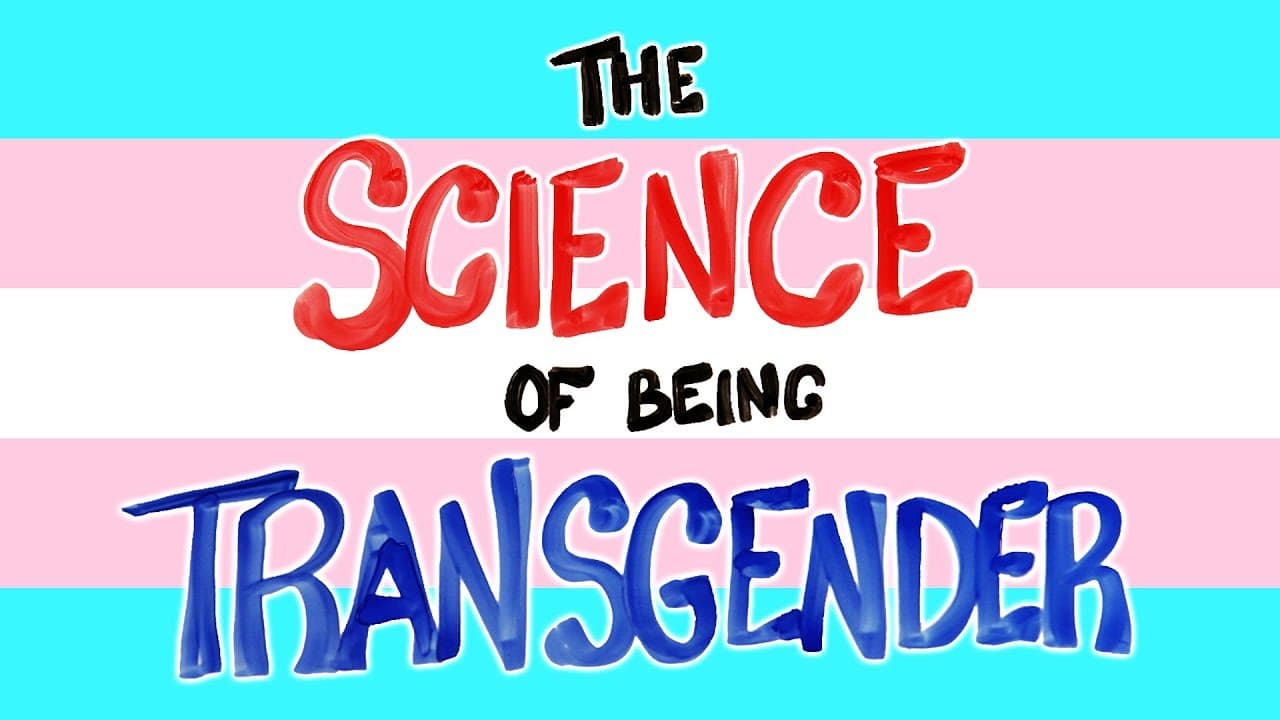
The Science of Being Transgender ft. Gigi Gorgeous
TL;DR
Scientists have researched the neurology, physiology, and psychology behind transgender identity, finding that transgender brains are more similar to their experienced gender than their biological sex.
Transcript
There's a lot of misinformation out there about what it means to be a transgender but recently, Scientists have begun to look more closely into the Neurology, Physiology, and Psychology behind it. So today, we're gonna break down what Science does knows in a respectful and educational way. Hey guys! I'm Gigi Gorgeous And today, I'm here with ASAPS... Read More
Key Insights
- 🥺 Genetic sex is determined by chromosomes, with 'XY' leading to male and 'XX' leading to female development.
- 🧠 Sexual differentiation in the brain occurs later than gonadal differentiation, and male and female brains have structural and functional differences.
- ⚧️ Transgender brains are more similar to their experienced gender identity than their biological sex in terms of structure and function.
- ⚧️ The hypothalamic response to pheromones aligns with transgender individuals' perceived gender rather than their sex.
- 🖐️ There appears to be a genetic component to transgender identity, with the 'CYP17' gene potentially playing a role.
- 😀 Transgender individuals face higher rates of depression, anxiety, and suicide, often due to rejection, discrimination, and lack of healthcare support.
- 👨🎨 Transitioning can alleviate the emotional pain caused by gender dysphoria and reduce the risk of suicide.
Install to Summarize YouTube Videos and Get Transcripts
Explore YouTube Video Summarizer or Get YouTube Transcript Extractor
Questions & Answers
Q: How is genetic sex determined and what can lead to variations?
Genetic sex is determined by chromosomes, with 'XY' leading to male development and 'XX' leading to female development. However, rare combinations like 'XXY' or genetic changes can result in variations, with some individuals with 'XX' chromosomes developing male genitals and characteristics due to a genetic switch.
Q: How do male and female brains differ structurally and functionally?
Studies have found that male brains generally have a larger cerebrum, cerebellum, and hippocampus, while female brains have higher density in the left frontal lobe and larger volumes in the right frontal lobe. These structural and functional differences contribute to various cognitive and behavioral variations between males and females.
Q: What do studies reveal about the brain structures of transgender individuals?
Research shows that transgender brains are both structurally and functionally more similar to their experienced gender identity than their biological sex. MRI scans demonstrate that the brain structures of transgender individuals align more closely with their gender identity, not their assigned sex at birth.
Q: Is there a genetic component to being transgender?
Family histories suggest a genetic component to transgender identity, with gender incongruence running in families. The 'CYP17' gene, which regulates sex hormone levels, has been found to express frequently in transgender men. Scientists are currently studying DNA markers to investigate any genetic links to being transgender.
Summary & Key Takeaways
-
Genetic sex is determined by chromosomes, with 'XY' leading to male development and 'XX' leading to female development. However, rare combinations and genetic changes can result in variations.
-
Sexual differentiation in the brain occurs later than gonadal differentiation, and studies have found structural and functional differences between male and female brains.
-
Transgender brains are structurally and functionally more similar to their experienced gender identity, and there may be a genetic component to transgender identity.
-
Transgender individuals face higher rates of depression, anxiety, and suicide, but transitioning can help alleviate these challenges.
Read in Other Languages (beta)
Share This Summary 📚
Summarize YouTube Videos and Get Video Transcripts with 1-Click
Try YouTube Summary with ChatGPT & Claude or YouTube Transcript Generator
Explore More Summaries from AsapSCIENCE 📚





Summarize YouTube Videos and Get Video Transcripts with 1-Click
Try YouTube Summary with ChatGPT & Claude or YouTube Transcript Generator