How to Strengthen Your Core for Better Performance
TL;DR
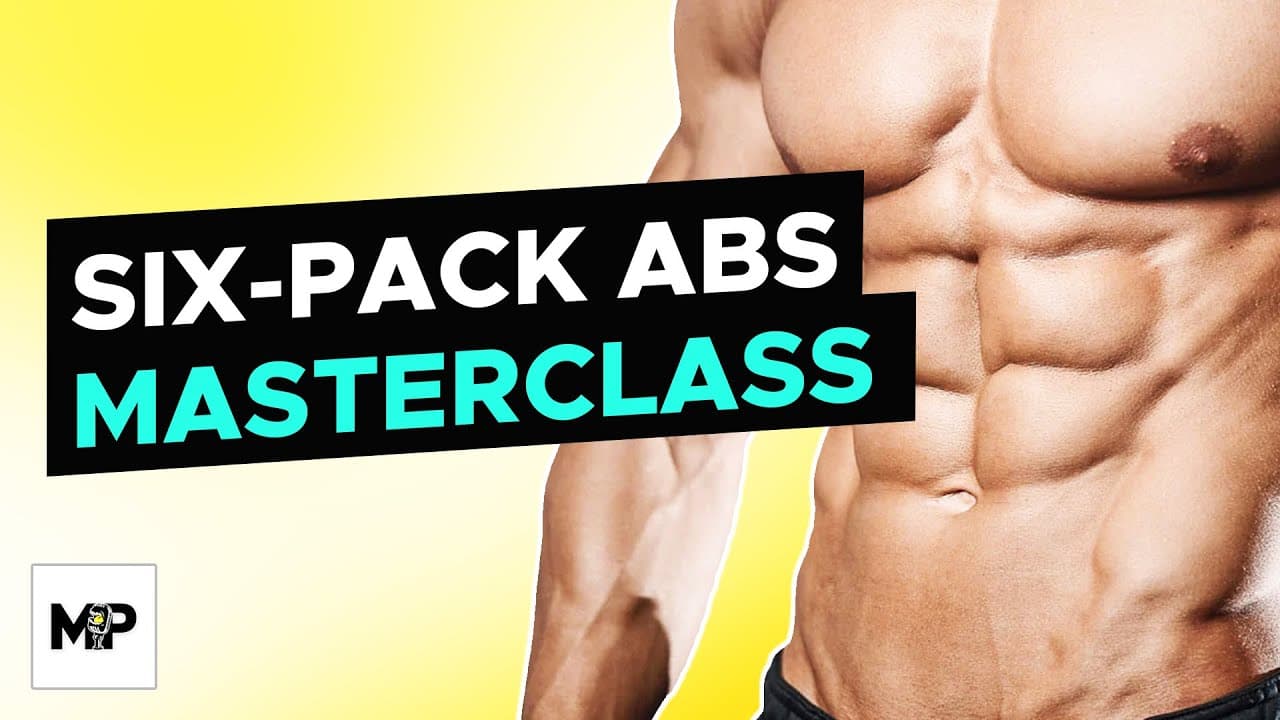
A strong core is essential for both aesthetics and athletic performance. Core muscles, including the abs, obliques, and transverse abdominis, provide stabilization and power transfer. Effective exercises include physio ball crunches, reverse crunches, and cable chops. Proper technique and understanding of muscle function are crucial for optimal core development and reducing injury risk.
Transcript
foreign muscle almost always tops a list for both men and women these are the muscles of the core the midsection the ABS the obliques they represent attractiveness but they also represent incredible athletic physical Pursuit it's true strong core translates to incredible athletic prowess just like it does to Aesthetics so today's episode we're gonn... Read More
Key Insights
- A strong core enhances both aesthetics and athletic performance by stabilizing and transferring power.
- The abdominal muscles attach at the rib cage and pelvis, and their primary action is flexion of the spine.
- Common myths suggest high-rep ab exercises, but effective core training uses similar rep ranges to other muscles.
- Obliques rotate the body and are best developed with exercises like cable chops and twisting crunches.
- The transverse abdominis acts like a body's weight belt, pulling in the midsection for stability.
- Postpartum women often need to strengthen the transverse abdominis to reduce lower belly pooch.
- Stabilization exercises, such as planks and heavy carries, are crucial for real-world core strength.
- Proper core training prevents injury by ensuring the core can support and stabilize during physical activities.
Install to Summarize YouTube Videos and Get Transcripts
Explore YouTube Video Summarizer or Get YouTube Transcript Extractor
Questions & Answers
Q: How do abs contribute to athletic performance?
Abs are crucial for athletic performance as they stabilize the spine and allow for effective power transfer between the upper and lower body. A strong core enables athletes to perform movements like throwing, jumping, and running efficiently by preventing excessive twisting and maintaining balance. Properly developed abs help reduce the risk of injury by supporting the spine during dynamic activities.
Q: What are effective exercises for developing obliques?
Effective exercises for developing obliques include cable chops and twisting crunches. These exercises focus on rotating the trunk, which engages the oblique muscles. It's important to perform these movements with proper form, emphasizing controlled rotation and resisting the return movement to maximize muscle engagement and development.
Q: Why is the transverse abdominis important for core stability?
The transverse abdominis is important for core stability because it acts like the body's internal weight belt, pulling in the abdominal area to stabilize the spine. It helps maintain posture and supports the body during physical activities. Strengthening this muscle is particularly important postpartum to reduce the lower belly pooch and enhance overall core function.
Q: How can postpartum women strengthen their core effectively?
Postpartum women can strengthen their core effectively by focusing on exercises that target the transverse abdominis, such as vacuum poses. These exercises help re-establish the connection with the muscle, which often weakens during pregnancy. Gradually incorporating stabilization exercises and ensuring proper technique will aid in restoring core strength and reducing the lower belly pooch.
Q: What is the role of stabilization exercises in core training?
Stabilization exercises play a crucial role in core training by enhancing the core's ability to support and stabilize the spine during dynamic movements. Exercises like planks, heavy carries, and counter-rotation movements challenge the core muscles to maintain proper alignment and resist external forces, improving overall strength and reducing injury risk in real-world activities.
Q: Why might someone's lower back hurt during ab exercises?
Lower back pain during ab exercises often indicates overuse of the hip flexors, particularly the psoas muscle, which attaches at the lower spine. This occurs when exercises are performed with improper form, causing the hip flexors to compensate for weak or inactive abs. Ensuring correct technique and focusing on true spinal flexion rather than hip flexion can alleviate this issue.
Q: How do you properly perform a hanging leg raise?
To properly perform a hanging leg raise, hang from a bar with your legs straight. Engage your core and initiate the movement by rotating your pelvis upward, rather than simply lifting your legs. This ensures that the abs, rather than the hip flexors, are doing the work. Aim for controlled movements and focus on the quality of each repetition for effective core engagement.
Q: What is the benefit of using a physio ball for crunches?
Using a physio ball for crunches provides the benefit of a full range of motion, allowing the body to wrap around the ball for greater spinal flexion and extension. This enhances the effectiveness of the exercise by engaging the abs more thoroughly. It also encourages proper form by minimizing hip flexor involvement, leading to better core muscle activation and development.
Summary & Key Takeaways
-
Core strength is vital for both aesthetics and athletic performance. Key muscles include the abs, obliques, and transverse abdominis, which help stabilize the body and transfer power. Effective exercises like physio ball crunches, reverse crunches, and cable chops target these muscles. Proper technique is essential to prevent injury and ensure optimal development.
-
The abdominal muscles attach to the rib cage and pelvis, with their primary function being spinal flexion. Contrary to popular belief, core muscles respond best to similar rep ranges as other muscles, rather than high-rep routines. Understanding muscle function and proper technique is crucial for effective core training.
-
Oblique muscles facilitate body rotation and are best developed through exercises like cable chops and twisting crunches. The transverse abdominis, often weakened postpartum, acts as an internal weight belt, pulling in the midsection for stability. Stabilization exercises like planks and heavy carries enhance real-world core strength and prevent injury.
Read in Other Languages (beta)
Share This Summary 📚
Summarize YouTube Videos and Get Video Transcripts with 1-Click
Try YouTube Summary with ChatGPT & Claude or YouTube Transcript Generator
Explore More Summaries from Mind Pump Show 📚

Summarize YouTube Videos and Get Video Transcripts with 1-Click
Try YouTube Summary with ChatGPT & Claude or YouTube Transcript Generator