Hobbes v Locke Lecture
TL;DR
Hobbes and Locke offer contrasting views on government's role and authority.
Transcript
all right this is our first lecture and um it might be the more one of the more complicated ones but um I kind of think it's important to talk about in terms of foundations of United States government um what we want to look at are kind of the philosophical positions of two major uh thinkers one is Thomas Hobbs and the other one is John Loc... Read More
Key Insights
- Thomas Hobbes and John Locke had differing philosophies on the social contract, influencing the foundation of United States government.
- Hobbes believed in philosophical absolutism, advocating for a strong central authority to prevent chaos and conflict inherent in human nature.
- Locke supported constitutionalism, emphasizing natural rights such as life, liberty, and property, which governments should protect.
- Hobbes viewed human life without government as solitary, poor, nasty, brutish, and short, necessitating a sovereign authority.
- Locke argued that humans are born with a blank slate, and their experiences shape their understanding, promoting a more optimistic view of human nature.
- Hobbes opposed the right to rebellion, believing loyalty to the sovereign was paramount, while Locke supported revolution if government fails its duties.
- Locke's ideas heavily influenced the Declaration of Independence, particularly the emphasis on life, liberty, and property.
- Both philosophers believed in a social contract but differed on the extent of government authority and the rights of the governed.
Install to Summarize YouTube Videos and Get Transcripts
Explore YouTube Video Summarizer or Get YouTube Transcript Extractor
Questions & Answers
Q: What is the main philosophical difference between Hobbes and Locke?
The main philosophical difference between Hobbes and Locke lies in their views on the social contract and the role of government. Hobbes believed in philosophical absolutism, advocating for a strong central authority to maintain order and prevent chaos. In contrast, Locke supported constitutionalism, emphasizing the protection of natural rights and the idea that government authority should be limited and derived from the consent of the governed.
Q: How did Hobbes view human nature and the state of nature?
Hobbes viewed human nature as inherently conflictual and self-serving, leading to a state of nature characterized by constant warfare and chaos. He famously described life in this state as solitary, poor, nasty, brutish, and short. To prevent such chaos, Hobbes argued for a powerful sovereign authority that could impose order and protect individuals from each other's worst instincts.
Q: What are Locke's views on natural rights?
Locke believed that individuals possess inherent natural rights, including life, liberty, and property. He argued that these rights are fundamental and should be protected by governments. Locke's philosophy emphasized that government authority should be based on the consent of the governed, and if a government fails to protect these rights, the people have the right to revolt and establish a new government.
Q: How did Locke's ideas influence the Declaration of Independence?
Locke's ideas significantly influenced the Declaration of Independence, particularly his emphasis on natural rights and popular sovereignty. The Declaration reflects Locke's belief in inherent rights to life, liberty, and property, echoed in the phrase 'life, liberty, and the pursuit of happiness.' Locke's notion that government should serve the people and can be overthrown if it fails its duties is also evident in the Declaration's justification for American independence from British rule.
Q: What was Hobbes' stance on rebellion against authority?
Hobbes opposed the idea of rebellion against authority, believing that individuals should give their complete loyalty to a sovereign power to maintain order and prevent chaos. In Hobbes' view, the social contract required individuals to surrender their freedoms to a ruler who could ensure peace and security, and rebellion would only lead to a return to the chaotic state of nature he described.
Q: How did Locke view the right to revolution?
Locke viewed the right to revolution as a fundamental aspect of the social contract. He argued that if a government fails to protect the natural rights of its citizens or acts against their interests, the people have the right to revolt and establish a new government. This right to revolution was seen as a last resort to ensure that government remains accountable to the people it serves.
Q: How did the historical context influence Hobbes' and Locke's philosophies?
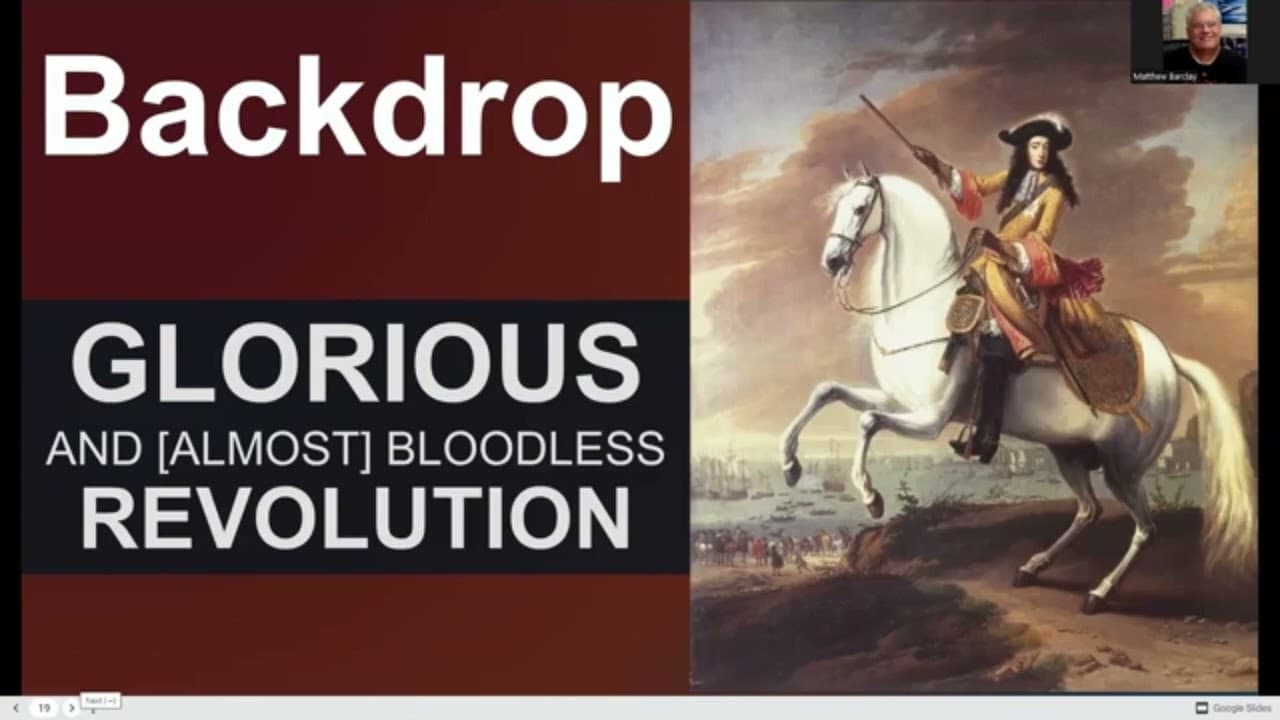
The historical context played a significant role in shaping Hobbes' and Locke's philosophies. Hobbes wrote during the English Civil War, a time of great turmoil and violence, which influenced his grim view of human nature and the need for a strong sovereign authority. In contrast, Locke wrote during the Glorious Revolution, a relatively peaceful transition of power, which informed his more optimistic view of human nature and his belief in the possibility of a government that protects natural rights and derives its authority from the consent of the governed.
Q: What is the concept of 'tabula rasa' in Locke's philosophy?
In Locke's philosophy, 'tabula rasa' refers to the idea that individuals are born with a blank slate, without innate knowledge. According to Locke, our understanding of the world is shaped by our experiences and sensory perceptions. This concept contrasts with Hobbes' view of human nature as inherently conflictual, suggesting instead that human behavior is shaped by the environment and experiences, allowing for the development of reason and cooperation.
Summary & Key Takeaways
-
The lecture contrasts the philosophical positions of Thomas Hobbes and John Locke regarding the social contract and government authority. Hobbes advocated for a strong, centralized authority to prevent chaos, while Locke emphasized the protection of natural rights and supported the right to revolution if a government fails its duties.
-
Hobbes believed in philosophical absolutism, viewing human nature as inherently conflictual and requiring a sovereign to maintain order. Locke, on the other hand, promoted constitutionalism, arguing for a government that protects inherent human rights such as life, liberty, and property, with authority derived from the consent of the governed.
-
The lecture highlights the influence of Locke's ideas on the Declaration of Independence, particularly the notion of natural rights and popular sovereignty. It also contrasts the philosophers' views on human nature, with Hobbes depicting a grim state of nature and Locke offering a more optimistic perspective based on experiential learning.
Read in Other Languages (beta)
Share This Summary 📚
Summarize YouTube Videos and Get Video Transcripts with 1-Click
Try YouTube Summary with ChatGPT & Claude or YouTube Transcript Generator