A Code of Ethics for Science

TL;DR
Developing a code of ethics for young scientists to maintain trust in science.
Transcript
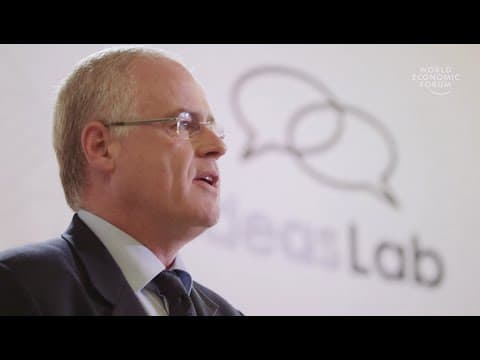
okay welcome everybody to this session on a code of ethics for science so the idea that scientists should have a code of ethics has been around for a long time and all of them I think would say implicitly they do have a code of ethics but the attempt to formalize it which has happened from time to time has never really gained much traction because ... Read More
Key Insights
- 👨💻 Developing a code of ethics is crucial for maintaining trust in the scientific community.
- 🖐️ Institutions play a vital role in implementing and supporting ethical practices outlined in the code.
- 🤩 Addressing conflicts of interest and fostering mentorship are key components of ethical research.
- ❓ Funding agencies can leverage their influence to ensure ethical standards are met across institutions.
- 👨💻 The code of ethics should be periodically reviewed and revised based on feedback and emerging ethical issues.
- 👨🔬 Ethical reasoning and training should be integrated into educational programs to promote ethical practices in research.
- 🔬 Striving for truth-seeking and promoting mentorship are essential aspects of ethical conduct in science.
Install to Summarize YouTube Videos and Get Transcripts
Explore YouTube Video Summarizer or Get YouTube Transcript Extractor
Questions & Answers
Q: Why hasn't a formalized code of ethics gained traction in the scientific community before?
In the absence of professional licensing bodies like engineers and doctors have, enforcement of a code of ethics is challenging.
Q: How can institutions like universities implement the principles outlined in the code of ethics?
Institutions should establish structures like mentoring programs and ethical review boards to ensure adherence to ethical standards.
Q: What role do funding agencies play in promoting ethical practices in research?
Funding agencies can encourage institutions to establish ethical structures and provide support for training to uphold ethical principles in research.
Q: How can the code of ethics address the challenges of diversity and equality in the scientific community?
By endorsing the principles in the code, institutions can work towards promoting diversity and inclusivity in research settings.
Summary & Key Takeaways
-
Young scientists collaborated to create a code of ethics to uphold integrity in science.
-
The code covers principles like engaging with the public, minimizing harm, and supporting diversity.
-
Institutions need to support these principles to ensure ethical practices in research.
Read in Other Languages (beta)
Share This Summary 📚
Summarize YouTube Videos and Get Video Transcripts with 1-Click
Try YouTube Summary with ChatGPT & Claude or YouTube Transcript Generator
Explore More Summaries from World Economic Forum 📚
Summarize YouTube Videos and Get Video Transcripts with 1-Click
Try YouTube Summary with ChatGPT & Claude or YouTube Transcript Generator