How to Power a Car with Hydrogen Fuel Cells
TL;DR
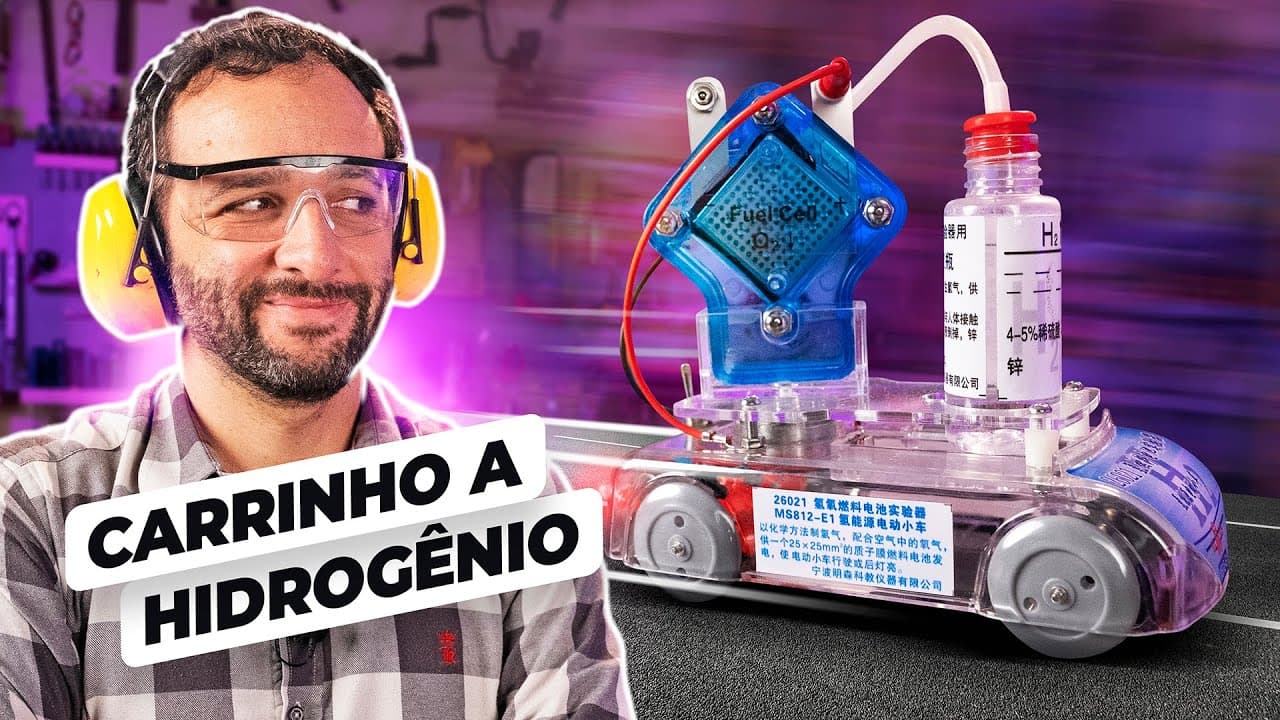
A small hydrogen-powered car uses a fuel cell to convert hydrogen and oxygen into electricity. This process demonstrates the potential of hydrogen as a clean energy source. The video explores the principles of electrolysis and the challenges of producing hydrogen efficiently for sustainable use.
Transcript
One, two, three and... Today we are going to test a car powered by hydrogen. It's not like a car, a car, but it's a car. This weird little thing that just arrived from China, and it's a hydrogen-powered car, yes, it has a fuel cell. This fuel cell takes hydrogen, combines it with oxygen from the air, and generates electricity. Not only is it a hydr... Read More
Key Insights
- Hydrogen fuel cells combine hydrogen and oxygen to produce electricity and water as a byproduct.
- Electrolysis splits water into hydrogen and oxygen using electricity, which can be reversed to generate energy.
- Hydrogen-powered cars emit only water vapor, making them environmentally friendly.
- Producing hydrogen efficiently is challenging; it often requires significant energy input.
- Green hydrogen is produced via electrolysis using renewable energy sources like solar or wind power.
- The small hydrogen-powered car in the video demonstrates the basic principles of fuel cells.
- Alternative methods of hydrogen production include using metals like magnesium with citric acid.
- Hydrogen fuel cells are not yet efficient enough for widespread practical use in vehicles.
Install to Summarize YouTube Videos and Get Transcripts
Explore YouTube Video Summarizer or Get YouTube Transcript Extractor
Questions & Answers
Q: How does a hydrogen fuel cell work?
A hydrogen fuel cell generates electricity through a chemical reaction between hydrogen and oxygen. Hydrogen gas is fed into the anode of the fuel cell, while oxygen enters the cathode. A catalyst splits hydrogen molecules into protons and electrons. The electrons flow through an external circuit, creating electricity, while protons move through an electrolyte membrane to combine with oxygen, forming water as a byproduct.
Q: What are the environmental benefits of hydrogen-powered cars?
Hydrogen-powered cars offer significant environmental benefits as they emit only water vapor, eliminating harmful pollutants like carbon dioxide. This can greatly reduce air pollution and greenhouse gas emissions, contributing to a cleaner atmosphere. However, the environmental impact depends on the method of hydrogen production, with green hydrogen from renewable sources being the most sustainable option.
Q: What is electrolysis and how is it used to produce hydrogen?
Electrolysis is a process that uses electricity to split water (H2O) into hydrogen and oxygen gases. In this method, an electrical current is passed through water containing an electrolyte, such as sodium bicarbonate, causing the water molecules to separate. This process can produce hydrogen gas, which can be captured and used as a clean energy source, especially when the electricity comes from renewable sources.
Q: Why is hydrogen considered a potential fuel of the future?
Hydrogen is considered a potential fuel of the future due to its abundance and clean-burning properties. When used in fuel cells, hydrogen produces only water as a byproduct, making it an environmentally friendly alternative to fossil fuels. Additionally, hydrogen can be produced from various sources, including renewable energy, which enhances its potential for sustainable energy applications.
Q: What are the challenges in producing hydrogen efficiently?
Producing hydrogen efficiently poses several challenges, primarily due to the energy-intensive processes required. Electrolysis, a common method, requires significant electricity input, which may not be sustainable unless sourced from renewable energy. Additionally, the infrastructure for hydrogen production, storage, and distribution is still underdeveloped, and alternative methods often involve the use of rare or energy-intensive materials.
Q: How can hydrogen be produced in an environmentally friendly way?
Hydrogen can be produced in an environmentally friendly way through a process known as green hydrogen production. This involves using renewable energy sources, such as solar, wind, or hydroelectric power, to drive electrolysis, which splits water into hydrogen and oxygen. By using clean energy, the process minimizes carbon emissions, making hydrogen a truly sustainable fuel.
Q: What is the role of a catalyst in a hydrogen fuel cell?
In a hydrogen fuel cell, a catalyst plays a crucial role by facilitating the chemical reaction between hydrogen and oxygen. Typically made of platinum or similar materials, the catalyst helps split hydrogen molecules into protons and electrons at the anode. This process is essential for generating electricity, as the electrons flow through an external circuit, and protons move through an electrolyte to combine with oxygen at the cathode, forming water.
Q: What are some alternative methods of generating hydrogen demonstrated in the video?
The video demonstrates alternative methods of generating hydrogen using chemical reactions. One method involves using zinc and citric acid, while another uses magnesium shavings with citric acid. These reactions release hydrogen gas, which can be used in fuel cells. However, these methods are not practical for large-scale hydrogen production due to inefficiencies and resource limitations compared to electrolysis powered by renewable energy.
Summary & Key Takeaways
-
The video demonstrates a small car powered by hydrogen fuel cells, highlighting the process of converting hydrogen and oxygen into electricity. This showcases the potential of hydrogen as a clean energy source, emitting only water vapor. The video also explores electrolysis and discusses the challenges of efficiently producing hydrogen.
-
Hydrogen fuel cells generate electricity by combining hydrogen and oxygen, with water as the only byproduct. This environmentally friendly process is demonstrated with a small car, but the video also addresses the inefficiencies in current hydrogen production methods, emphasizing the need for green hydrogen from renewable sources.
-
The video explores the concept of hydrogen-powered vehicles, demonstrating a small car that uses a fuel cell to convert hydrogen and oxygen into electricity. It explains the electrolysis process and highlights the challenges in producing hydrogen sustainably, advocating for green hydrogen from renewable energy.
Read in Other Languages (beta)
Share This Summary 📚
Summarize YouTube Videos and Get Video Transcripts with 1-Click
Try YouTube Summary with ChatGPT & Claude or YouTube Transcript Generator
Explore More Summaries from Manual do Mundo 📚


Summarize YouTube Videos and Get Video Transcripts with 1-Click
Try YouTube Summary with ChatGPT & Claude or YouTube Transcript Generator