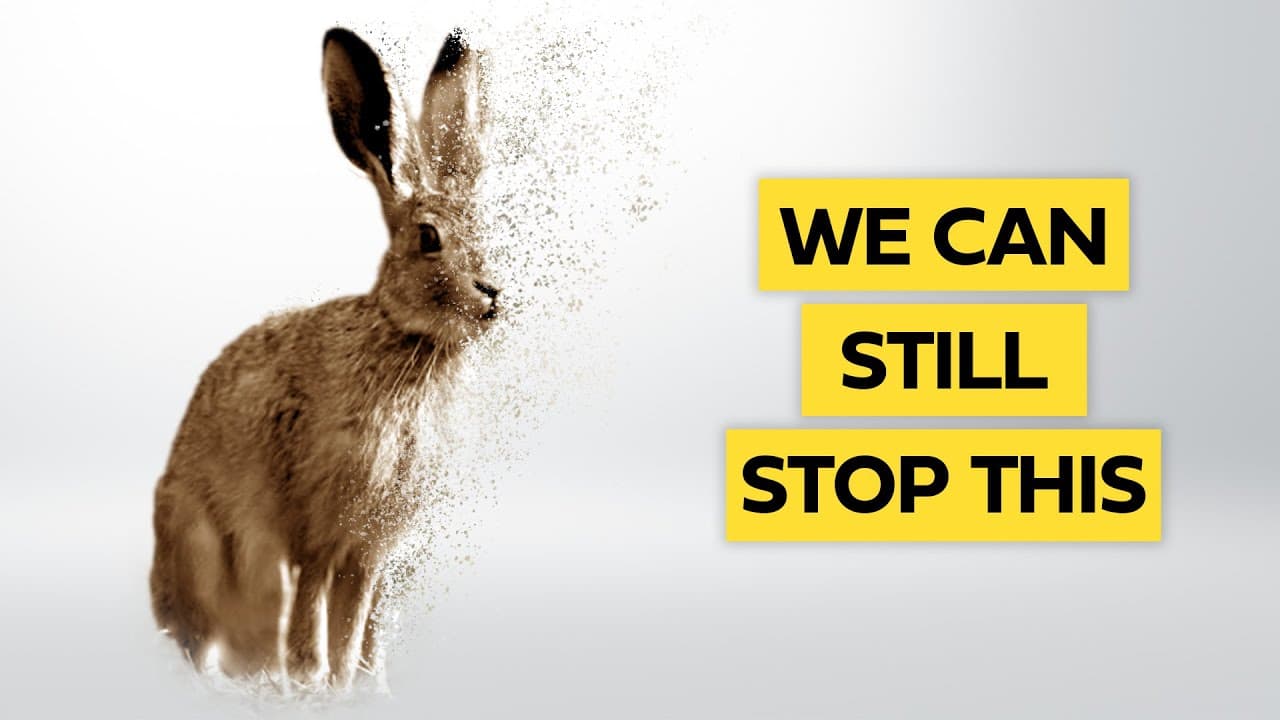
Why the sixth mass extinction is here. Now.
TL;DR
The latest report by the Intergovernmental Panel on Climate Change (IPCC) highlights that climate change is already causing significant damage to ecosystems and species, with dire consequences for humans. Urgent action is needed to mitigate further harm.
Transcript
this video is about the new report from the intergovernmental panel on climate change but before telling you about that let me first tell you a brief story this video is also sponsored by brilliant more about them later in 1963 a zoologist named robert payne conducted an experiment in macor bay washington pain removed from the bay all individuals o... Read More
Key Insights
- 💱 Climate change is already causing significant damage to ecosystems, leading to decreased food security, extreme weather events, wildfires, and changes in rainfall patterns.
- 🪘 The longer meaningful action is delayed, the greater the risk of ecosystem collapses.
- 💀 The report highlights the danger of biodiversity loss and the increased risk of species extinction, including keystone species critical for ecosystem stability.
- ☠️ Historical climate change events and the current unprecedented rate of warming indicate that humans are causing the sixth mass extinction in Earth's history.
- 💱 Preventing species extinction, protecting natural environments, and reducing carbon emissions are crucial actions in mitigating the impacts of climate change.
- 💆 Immediate action is required within this decade to avoid a future of mass extinction.
- 🪡 The report emphasizes the need for a balance between stressing the severity of the situation and emphasizing that solutions are possible.
Install to Summarize YouTube Videos and Get Transcripts
Explore YouTube Video Summarizer or Get YouTube Transcript Extractor
Questions & Answers
Q: What are the main findings of the IPCC's second working group report?
The report reveals that climate change is already impacting billions of people and a significant number of species, leading to food insecurity, extreme weather events, and changes in ecosystems. Moreover, future emissions will worsen these impacts to a point where adapting becomes impossible.
Q: How does climate change threaten biodiversity?
Climate change poses a significant threat to biodiversity, with an estimated 3-29% of terrestrial species facing extinction risks based on different warming scenarios. Coral reefs and rainforests, which house crucial ecosystems, face the risk of species extinction, triggering a cascade of collapses in various ecosystems.
Q: Does the report indicate any similarities between the current situation and past mass extinctions?
Yes, the report draws parallels between current climate change and past rapid warming events that resulted in mass extinctions. The historical record suggests that humans are causing the sixth mass extinction in Earth's history, and the current rate of warming far exceeds what organisms were able to adapt to in the past.
Q: Is there hope in mitigating the impacts of climate change?
The report stresses the importance of taking action to prevent species from going extinct, protect natural environments, and reduce carbon emissions. While the situation is severe, it emphasizes that it is not too late to avoid mass extinction and build a more just world by fundamentally rethinking energy use and generation.
Summary & Key Takeaways
-
The IPCC's second working group report on climate change impacts highlights that billions of people and a high proportion of species are already being affected by climate change, leading to food insecurity, extreme weather events, wildfires, and changes in rainfall patterns.
-
Continuing carbon emissions will exacerbate these impacts, reaching a point where adaptation becomes impossible.
-
The report emphasizes that this is not just a future problem; climate change is already causing casualties, damaging nature, and making the world poorer.
Read in Other Languages (beta)
Share This Summary 📚
Summarize YouTube Videos and Get Video Transcripts with 1-Click
Try YouTube Summary with ChatGPT & Claude or YouTube Transcript Generator
Explore More Summaries from Simon Clark 📚


Summarize YouTube Videos and Get Video Transcripts with 1-Click
Try YouTube Summary with ChatGPT & Claude or YouTube Transcript Generator