Why Avoid Asking Doctors About Diet and Exercise?
TL;DR
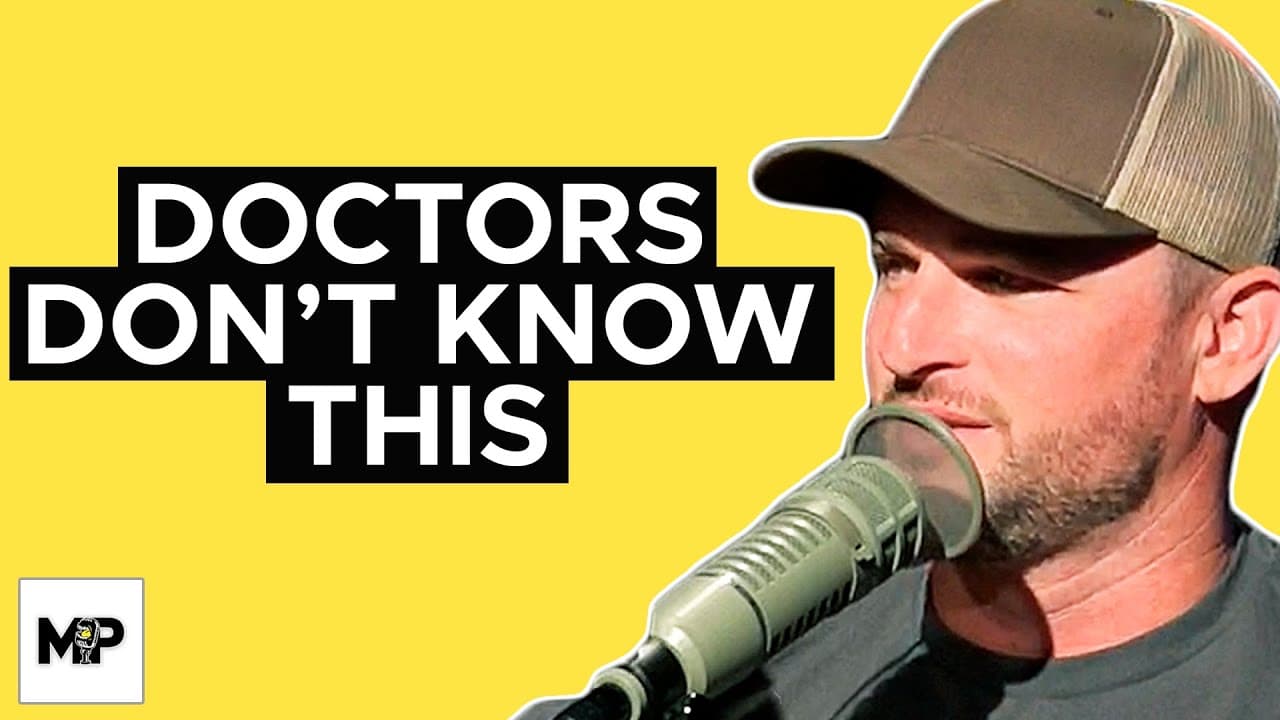
Doctors often provide inadequate advice on diet and exercise due to their specialized training and lack of experience in coaching lifestyle changes. While they excel in treating acute medical issues, their recommendations for chronic lifestyle adjustments may not be effective. It's essential to seek advice from qualified trainers or nutritionists for personalized and sustainable health strategies.
Transcript
you could take two years of nutrition education two years like special specialized nutrition education or you could go and learn a two years of therapy and be and become a therapist you know he's gonna be more qualified to coach someone to lose weight therapist for sure because it's Behavior it's not the calories and the macros that make the bigges... Read More
Key Insights
- Doctors' education is highly specialized, with minimal focus on nutrition and exercise.
- They lack experience in coaching patients through lifestyle changes for long-term success.
- Western medicine is effective for acute issues but often inadequate for chronic lifestyle-related problems.
- Doctors may prescribe medications to manage symptoms rather than addressing root causes.
- The medical system's structure limits doctors' time to guide patients through comprehensive lifestyle changes.
- Patients often receive generic advice like 'eat less, move more,' which lacks personalization.
- The influence of pharmaceutical companies can lead to a focus on medication over lifestyle interventions.
- Patients should be proactive in seeking additional resources and advice for chronic health issues.
Install to Summarize YouTube Videos and Get Transcripts
Explore YouTube Video Summarizer or Get YouTube Transcript Extractor
Questions & Answers
Q: Why might a doctor give poor advice on diet and exercise?
Doctors' training is highly specialized, focusing more on acute medical issues rather than lifestyle changes. Their education typically includes minimal coursework on nutrition and exercise, leading to generic advice that may not suit individual needs. Additionally, doctors often lack the time and experience to coach patients through personalized and sustainable lifestyle adjustments.
Q: How does Western medicine approach chronic health issues?
Western medicine is structured to address acute medical problems effectively, using medications and surgeries to manage immediate health concerns. However, it often falls short in dealing with chronic lifestyle-related issues, as the focus tends to be on symptom management rather than identifying and addressing root causes. Patients may need to seek alternative approaches for chronic conditions.
Q: What role do pharmaceutical companies play in medical advice?
Pharmaceutical companies have significant influence over the medical system, which can lead to a focus on prescribing medications for symptom management rather than exploring lifestyle interventions. This focus may result in doctors recommending drugs as a first-line treatment, potentially overlooking more holistic approaches that address the underlying causes of health issues.
Q: Why is it important to seek additional resources for chronic issues?
Chronic health issues often require personalized and comprehensive approaches that go beyond standard medical advice. Seeking additional resources, such as functional medicine practitioners or nutritionists, can provide tailored strategies to address root causes and promote long-term health. Patients should advocate for themselves and explore various options to manage chronic conditions effectively.
Q: How can patients advocate for their own health?
Patients can advocate for their health by actively seeking information and resources beyond standard medical advice. This includes consulting with nutritionists, trainers, or functional medicine practitioners, participating in health forums, and staying informed about the latest research. Being proactive and questioning recommendations can lead to more personalized and effective health solutions.
Q: What are some common misconceptions about doctors' advice on lifestyle changes?
A common misconception is that doctors are the best source for all health-related advice, including lifestyle changes. However, their training often focuses on acute medical issues, and they may not have the expertise in nutrition and exercise needed for personalized recommendations. Patients should consider consulting specialists in these areas for more effective guidance.
Q: How does the medical system's structure affect doctors' advice?
The medical system's structure often limits the time doctors can spend with each patient, leading to quick, generalized advice rather than in-depth, personalized guidance. This time constraint, combined with the focus on managing acute issues, can result in less effective recommendations for chronic lifestyle-related health concerns.
Q: What should patients consider when receiving diet and exercise advice from a doctor?
Patients should consider the doctor's specialization and the potential limitations of their advice on diet and exercise. While doctors are knowledgeable in treating medical conditions, their recommendations for lifestyle changes may not be as informed. Consulting with trainers or nutritionists who specialize in these areas can provide more tailored and effective strategies.
Summary & Key Takeaways
-
Doctors often provide poor diet and exercise advice due to their specialized training and limited experience in lifestyle coaching. Patients should seek guidance from qualified trainers or nutritionists for effective health strategies.
-
Western medicine excels in treating acute medical issues but struggles with chronic, lifestyle-related conditions. Patients should be proactive in exploring additional resources and approaches for long-term health improvements.
-
The medical system's structure and pharmaceutical influence can lead doctors to focus on symptom management rather than addressing root causes. Patients need to advocate for themselves and seek comprehensive health solutions.
Read in Other Languages (beta)
Share This Summary 📚
Summarize YouTube Videos and Get Video Transcripts with 1-Click
Try YouTube Summary with ChatGPT & Claude or YouTube Transcript Generator
Explore More Summaries from Mind Pump Show 📚
Summarize YouTube Videos and Get Video Transcripts with 1-Click
Try YouTube Summary with ChatGPT & Claude or YouTube Transcript Generator