The Metaverse is Here and It’s Mind-blowing
TL;DR
Exploring the transformative potential of the metaverse and blockchain.
Transcript
just say well wait a minute what if I could just put a beer on the blockchain what if at the time there was no such thing as a non-bungable token right all every token was the same you couldn't distinguish one Bitcoin from another uh other than maybe the time it was born and you can trace its provenance but they were all the same like gold is all t... Read More
Key Insights
- Blockchain technology enables the creation of digital assets with real-world properties, enhancing authenticity and uniqueness through decentralization.
- The metaverse is not just a game; it represents a new way to interact with digital objects that mimic real-world experiences.
- The evolution of NFTs from gaming items to valuable digital assets reflects a shift towards real-world applications in various sectors.
- As the metaverse develops, it will integrate digital and physical lives, impacting industries like healthcare, education, marketing, and more.
- The decentralized nature of blockchain ensures resilience against failures, making digital assets more secure and reliable.
- The concept of identity in the metaverse allows users to control their representation, enhancing personalization and ownership.
- Augmented and virtual reality technologies are crucial in making digital objects feel as real as physical ones.
- The metaverse is an extension of the internet, evolving from static and dynamic web to a more immersive, interactive experience.
Install to Summarize YouTube Videos and Get Transcripts
Explore YouTube Video Summarizer or Get YouTube Transcript Extractor
Questions & Answers
Q: How does blockchain enhance digital asset authenticity?
Blockchain technology enhances digital asset authenticity by providing a decentralized platform where each asset's provenance can be traced. This decentralization ensures that digital assets are unique and secure, as the blockchain persists independently of any single entity, making it resistant to failures and attacks.
Q: What role does the metaverse play in digital interactions?
The metaverse plays a transformative role in digital interactions by creating a virtual environment where digital objects mimic real-world experiences. It allows users to interact with digital assets as if they were physical, providing a more immersive and engaging experience that integrates digital and physical lives.
Q: How have NFTs evolved from gaming to real-world applications?
NFTs have evolved from gaming items to real-world applications by leveraging blockchain's ability to create unique and verifiable digital assets. This shift has opened up new possibilities for NFTs in sectors like healthcare, education, and marketing, where they can represent ownership and authenticity in a digital format.
Q: Why is decentralization important in the metaverse?
Decentralization is crucial in the metaverse because it ensures the security and resilience of digital assets. By distributing control across a network, decentralization protects against failures and attacks, making digital assets more reliable and trustworthy, which is essential for their adoption in various industries.
Q: What is the significance of identity in the metaverse?
Identity in the metaverse is significant because it allows users to control how they are represented in digital spaces. This personalization enhances user experience and ownership, enabling individuals to choose avatars or other forms of representation that reflect their preferences and identities in the virtual world.
Q: How do augmented and virtual reality technologies contribute to the metaverse?
Augmented and virtual reality technologies contribute to the metaverse by making digital objects feel as real as physical ones. These technologies create immersive experiences where users can interact with digital assets in a tangible way, bridging the gap between the digital and physical worlds and enhancing user engagement.
Q: What is the next evolution of the internet according to the metaverse concept?
The next evolution of the internet, according to the metaverse concept, involves moving from static and dynamic web experiences to a more immersive, interactive environment. This transition integrates people, places, and things into digital spaces, creating a new layer of human interaction that enhances connectivity and engagement.
Q: How does the metaverse impact industries beyond gaming?
The metaverse impacts industries beyond gaming by offering new ways to engage with digital content. It provides opportunities for sectors like healthcare, education, and marketing to leverage digital assets for real-world applications, enhancing user interaction and creating value through innovative digital experiences.
Summary & Key Takeaways
-
The metaverse leverages blockchain to create unique digital assets, transforming virtual interactions into experiences that mimic real-world authenticity. This evolution promises to reshape industries by integrating digital and physical lives, offering new opportunities for engagement and ownership.
-
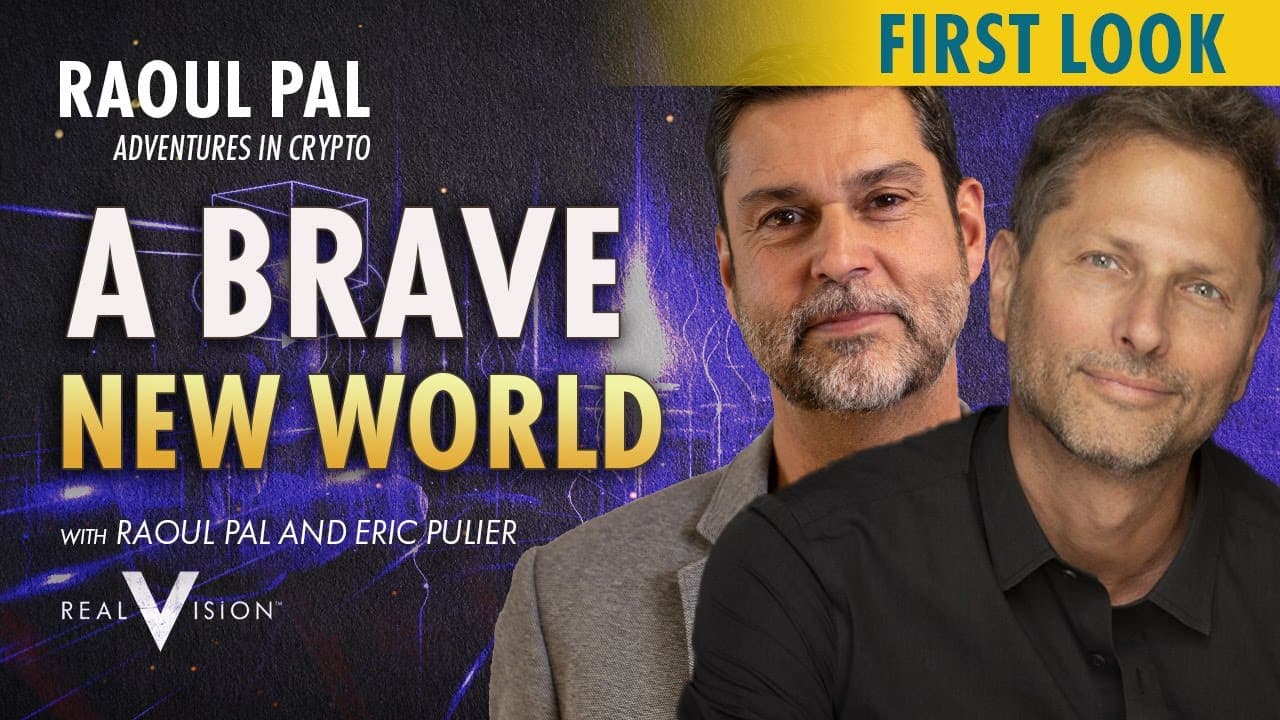
Eric Pulier, CEO of Vatom, discusses the transition from Web 1.0 to the metaverse, highlighting the convergence of technologies that enable a more immersive internet. The metaverse is poised to revolutionize how we perceive and interact with digital content.
-
The conversation emphasizes the metaverse's potential to impact various sectors, with brands already exploring its possibilities. The integration of decentralized technologies ensures security and resilience, while augmented reality makes digital objects feel tangible, heralding a new era of digital interaction.
Read in Other Languages (beta)
Share This Summary 📚
Summarize YouTube Videos and Get Video Transcripts with 1-Click
Try YouTube Summary with ChatGPT & Claude or YouTube Transcript Generator
Explore More Summaries from Real Vision 📚






Summarize YouTube Videos and Get Video Transcripts with 1-Click
Try YouTube Summary with ChatGPT & Claude or YouTube Transcript Generator