How to Learn Anything Effectively with a Four-Stage System
TL;DR
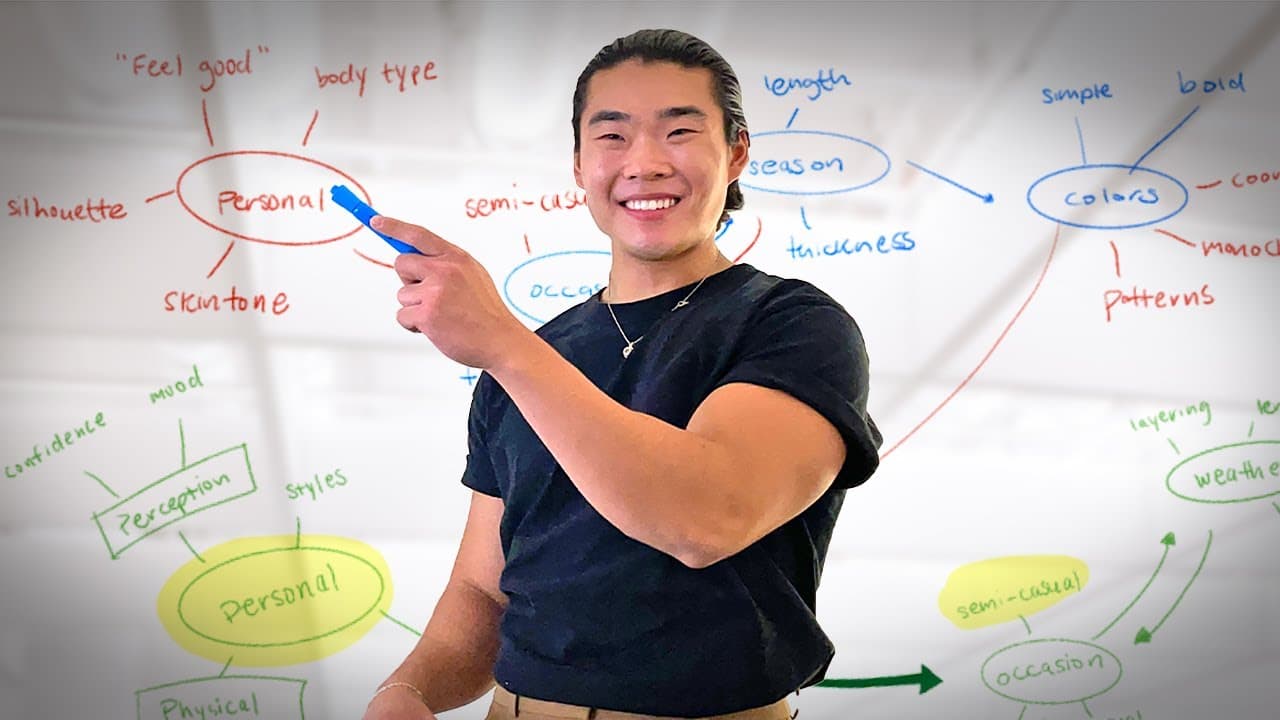
To learn anything effectively, implement a four-stage system: 1) Priming to create a big picture of the topic; 2) In-class notes that focus on key insights and active recall questions; 3) Post-class immediate review to reinforce learning; and 4) Revision using active recall techniques like practice tests. This structured approach enhances understanding and retention, ultimately leading to better academic performance.
Transcript
this is undoubtedly the best way to learn and it can be broken down into four simple stages number one priming number two in-class notes number three post class immediate review and number four revision if you're able to execute all four stages as I teach you in this video you will get the best grades that you've ever gotten while spending a fracti... Read More
Key Insights
- 👻 Priming prepares the brain by establishing context, allowing for deeper understanding of new information introduced in classes.
- 💁 Chunking information into smaller, relatable groups makes memorization easier and more effective when studying or reviewing.
- 🛀 The in-class note-taking method emphasizes capturing relationships and observations rather than transcribing every word, which promotes active learning.
- 👍 Active recall practices like blurting and self-testing are proven techniques that significantly enhance retention and comprehension of the material.
- 🧑🎓 A structured, systematic approach to studying saves time by enabling students to leverage their understanding instead of cramming material last minute.
- 🦻 Effective note-taking incorporates visual aids and formatting that facilitate easier review and recall later on.
- 👾 Regular review and spaced repetition are critical for reinforcing learning and ensuring long-term retention of knowledge.
Install to Summarize YouTube Videos and Get Transcripts
Explore YouTube Video Summarizer or Get YouTube Transcript Extractor
Questions & Answers
Q: What is the significance of the priming stage in the learning system?
The priming stage serves as a foundational process where students familiarize themselves with the overarching concepts of the subject matter before attending classes. This understanding helps make new information more relevant, aiding in comprehension and retention. By visualizing how concepts interconnect, students can swiftly integrate new details and see their significance, much like assembling a LEGO set with an understanding of the final outcome before starting.
Q: How does one effectively take in-class notes according to the system?
Effective in-class note-taking prioritizes engagement over mere transcription. Instead of trying to write everything down, students should focus on annotating a pre-constructed diagram that depicts the topic's big picture. This allows them to identify and record key points, relationships, and personal observations that align with their understanding while maintaining attention on the instructor's explanations.
Q: Why is post-class immediate review critical in this learning system?
The post-class immediate review, conducted shortly after class, allows students to solidify what they’ve retained. This involves cleaning up notes, reviewing active recall questions, and identifying strengths and weaknesses. Such targeted review right before bed optimizes memory retention, setting the stage for more effective revision processes in later stages.
Q: What does the revision stage entail, and how can it be optimized?
The revision stage focuses on refining previously prepared diagrams and applying active recall principles to internalize content. It involves creating optimized diagrams that clarify relationships and utilizing techniques like the blurting method and practice tests to reinforce knowledge. By summarizing and testing themselves on the material, students can deepen their understanding and prepare more effectively for exams.
Summary & Key Takeaways
-
The proposed learning system consists of four essential stages: priming, in-class notes, post-class review, and revision, which collectively enhance understanding and retention of material.
-
Priming involves creating a big picture of the topic before class, allowing students to identify how new information fits into existing knowledge, which leads to greater comprehension and quicker learning.
-
In-class notes should focus on key observations and active recall questions, minimizing the need to transcribe every detail, thus enabling students to better engage with the material being taught.
Read in Other Languages (beta)
Share This Summary 📚
Summarize YouTube Videos and Get Video Transcripts with 1-Click
Try YouTube Summary with ChatGPT & Claude or YouTube Transcript Generator
Explore More Summaries from Jun Yuh 📚






Summarize YouTube Videos and Get Video Transcripts with 1-Click
Try YouTube Summary with ChatGPT & Claude or YouTube Transcript Generator