Tying
TL;DR
Tying is a price discrimination method involving a base and variable good.
Transcript
♪ [music] ♪ - [Tyler Cowen] In this talk, we're going to look at another common form of price discrimination, but not necessarily an obvious one, namely tying. Let's get right to it. Tying is a form of price discrimination where one good, called the base good, is tied to a second good, called the variable good. Let's consider some examples: p... Read More
Key Insights
- Tying involves selling a base good at a low price and a variable good at a higher price, enabling price discrimination.
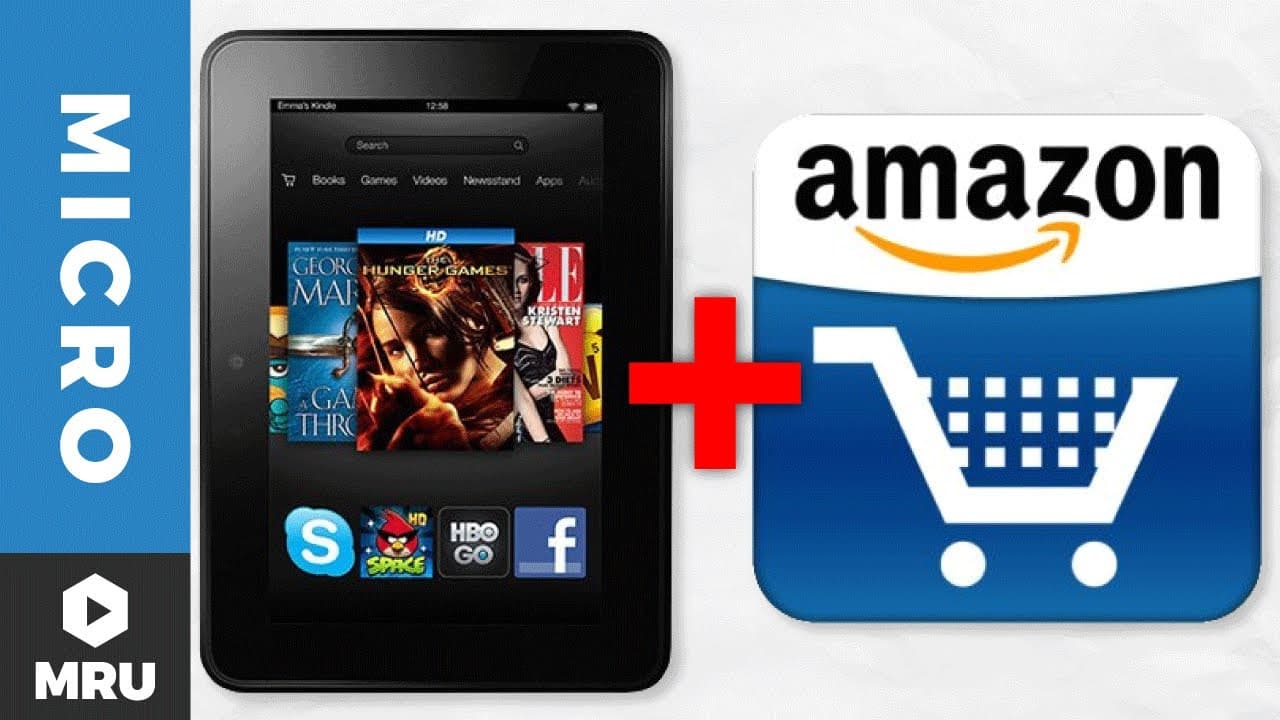
- Examples include printers and ink, cell phones and data plans, and Kindle Fire with Amazon services.
- Base goods are often sold near marginal cost, while variable goods are priced above marginal cost.
- Tying allows companies to charge consumers based on their willingness to pay, maximizing profits.
- This method can increase social welfare by making products more accessible and encouraging higher output.
- Tying supports research and development by spreading fixed costs over a larger user base.
- The difference between tying and bundling is that tying involves variable quantities, while bundling involves fixed proportions.
- Bundling examples include Microsoft Office and cable TV packages, where products are sold together in a package.
Install to Summarize YouTube Videos and Get Transcripts
Explore YouTube Video Summarizer or Get YouTube Transcript Extractor
Questions & Answers
Q: What is tying in economics?
Tying in economics is a form of price discrimination where a base good is sold at a low price, and a variable good is sold at a higher price. This strategy enables companies to charge different prices based on consumer usage, allowing them to maximize profits by capturing varying levels of consumer surplus.
Q: Can you provide examples of tying?
Examples of tying include printers and ink, where the printer is the base good and the ink is the variable good. Other examples are cell phones and data plans, where the phone is the base good and the data plan is variable, and Kindle Fire with Amazon services, where the device is the base good and purchased content is variable.
Q: How does tying affect social welfare?
Tying can increase social welfare by making products more accessible to a broader range of consumers. By selling the base good at a low price and charging more for the variable good, companies can encourage higher output and spread fixed costs over a larger user base, supporting research and development and improving product quality.
Q: What is the difference between tying and bundling?
The difference between tying and bundling lies in the nature of the goods sold. Tying involves a base good and a variable good that can be purchased in varying amounts, acting as a form of metering. In contrast, bundling involves selling products together in fixed proportions, such as software packages or cable TV subscriptions.
Q: Why do companies use tying as a pricing strategy?
Companies use tying as a pricing strategy to achieve price discrimination, allowing them to capture more consumer surplus by charging different prices based on consumer usage. This approach maximizes profits and can also increase social welfare by making products more accessible and supporting research and development.
Q: What role does willingness to pay play in tying?
Willingness to pay plays a crucial role in tying, as it allows companies to charge consumers based on their individual usage patterns. Consumers with a higher willingness to pay will purchase more of the variable good, resulting in different prices for different consumers and enabling companies to capture more consumer surplus.
Q: How does tying support research and development?
Tying supports research and development by spreading fixed costs over a larger user base, allowing companies to invest more in improving product quality. The higher profits generated from tying can be reinvested into R&D, leading to innovations and advancements that benefit consumers and enhance overall product offerings.
Q: What are some common examples of bundling?
Common examples of bundling include software packages like Microsoft Office, where programs such as Word, Excel, and PowerPoint are sold together. Cable TV subscriptions are another example, where consumers purchase a package of channels. Newspapers also bundle sections, offering sports, business, and other content together.
Summary & Key Takeaways
-
Tying is a form of price discrimination where a cheap base good is sold alongside a more expensive variable good. This strategy allows companies to charge different prices based on consumer usage, maximizing profits and potentially increasing social welfare by making products more accessible.
-
Examples of tying include printers and ink, cell phones and data plans, and Kindle Fire with Amazon services. The base good is often sold near marginal cost, while the variable good is priced above marginal cost, allowing companies to capture more consumer surplus.
-
Tying can increase social welfare by encouraging higher output and supporting research and development. The difference between tying and bundling is that tying involves variable quantities, while bundling involves fixed proportions, as seen in products like Microsoft Office and cable TV packages.
Read in Other Languages (beta)
Share This Summary 📚
Summarize YouTube Videos and Get Video Transcripts with 1-Click
Try YouTube Summary with ChatGPT & Claude or YouTube Transcript Generator
Explore More Summaries from Marginal Revolution University 📚

Summarize YouTube Videos and Get Video Transcripts with 1-Click
Try YouTube Summary with ChatGPT & Claude or YouTube Transcript Generator