15 YouTubers Play The Telephone Game
TL;DR
Social media and journalism can distort scientific research findings, leading to misleading headlines and misinformation.
Transcript
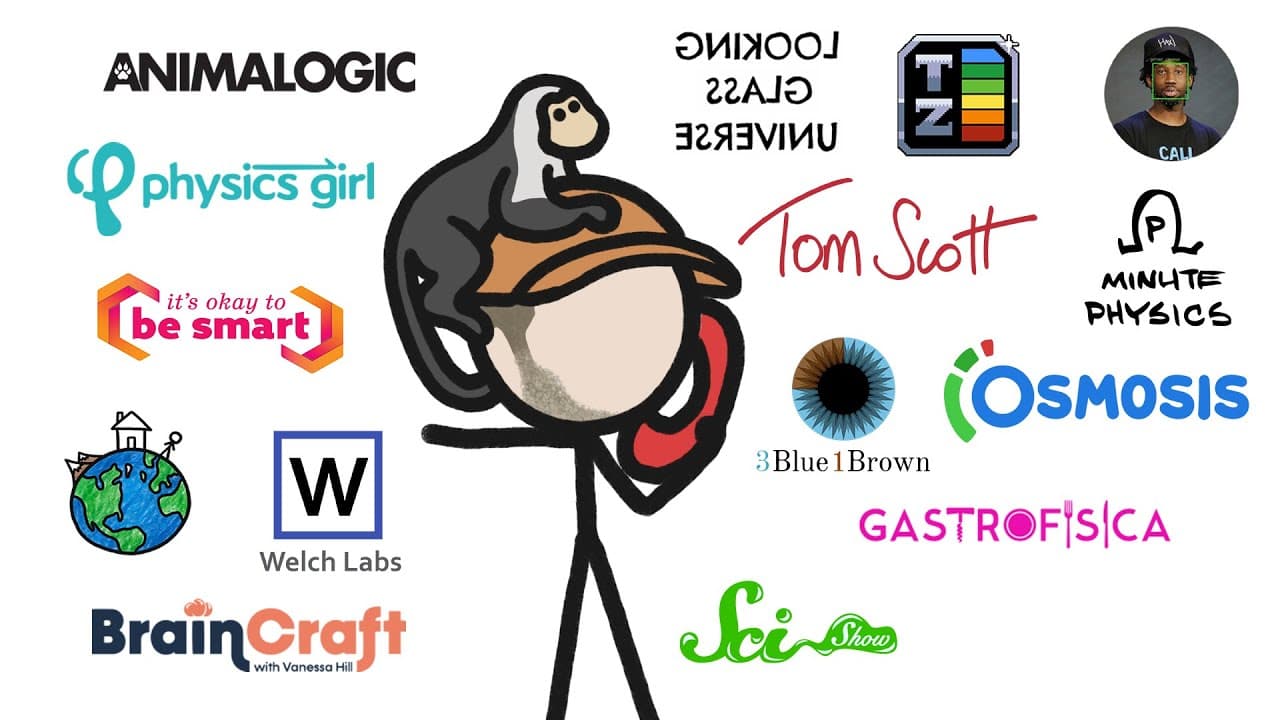
[Hank]: It held on for so long, but then… devolved so fast. We got nothing now. Nothing makes sense anymore. Hi, this is David from MinuteEarth, and Grant from 3Blue1Brown, and Dianna from PhysicsGirl and the Osmosis team and Tom from Tom Scott and the SciShow team and Mithuna from LookingGlassUniverse and Steven from Welch Labs and Vanessa from Br... Read More
Key Insights
- 👨🔬 Scientific research findings can be misinterpreted and exaggerated as they pass through various stages of communication.
- 🔉 Journalists and social media influencers often prioritize sensationalism and attention-grabbing headlines over accurate scientific reporting.
- 📰 Anecdotal evidence and flawed interpretations can perpetuate misconceptions and spread fake news in science communication.
- 🥺 The game of telephone can lead to the distortion of scientific information, contributing to misinformation and confusion.
- 😌 The responsibility lies with scientists, journalists, and consumers of science news to critically evaluate and verify information before accepting it as true.
- 👨🔬 Clear and accurate science communication is crucial in preventing the spread of fake news and promoting public understanding of scientific research.
- 🔬 Collaborative efforts between scientists, journalists, and science communicators can improve the accuracy and reliability of science reporting.
Install to Summarize YouTube Videos and Get Transcripts
Explore YouTube Video Summarizer or Get YouTube Transcript Extractor
Questions & Answers
Q: Why do popular media stories about science often differ from the actual research?
This discrepancy occurs because of the game of telephone, where information becomes distorted and exaggerated during the reporting process.
Q: How does research findings on cat behavior and beer consumption relate to fake news?
Researchers may find a correlation between cat size and beer consumption, but journalists and social media influencers may misinterpret the findings, leading to headlines like "Beer makes you swole."
Q: Can anecdotal evidence and flawed interpretations contribute to misleading science reporting?
Yes, anecdotal evidence and flawed interpretations can misguide journalists and social media influencers, leading to the spread of fake news and misconceptions.
Q: How does the game of telephone affect science reporting?
The game of telephone results in a distorted and exaggerated representation of scientific research, leading to misleading headlines and misinformation.
Summary & Key Takeaways
-
Popular media stories about science often misrepresent the actual research they are based on, leading to misinformation and confusion.
-
The game of telephone occurs when research findings are inaccurately reported and exaggerated as they pass from scientists to journalists to social media influencers.
-
Anecdotal evidence and flawed interpretations can contribute to the spread of fake news and misconceptions in science reporting.
Read in Other Languages (beta)
Share This Summary 📚
Summarize YouTube Videos and Get Video Transcripts with 1-Click
Try YouTube Summary with ChatGPT & Claude or YouTube Transcript Generator
Explore More Summaries from MinuteEarth 📚
Summarize YouTube Videos and Get Video Transcripts with 1-Click
Try YouTube Summary with ChatGPT & Claude or YouTube Transcript Generator