Why Do Children's Books Inspire a Love for Reading?
TL;DR
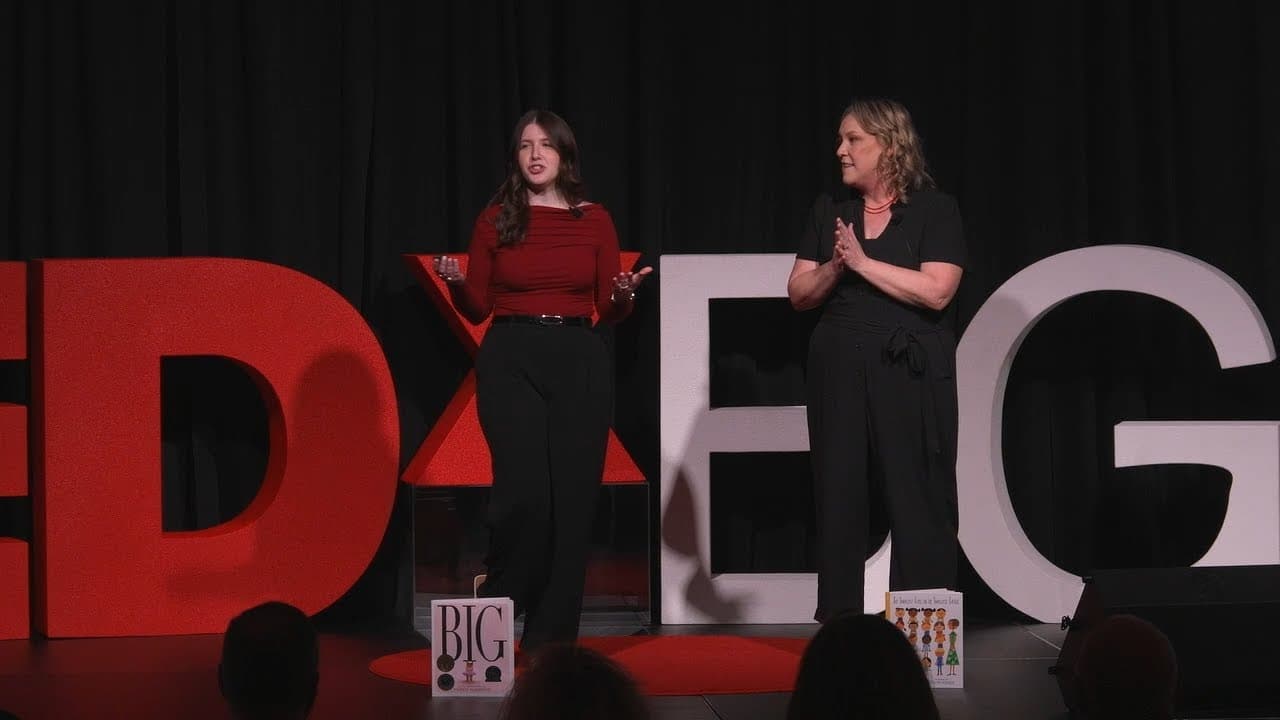
Children's literature plays a crucial role in developing empathy, language skills, and critical thinking in young readers. In an age dominated by screens, fostering a love for reading through engaging and authentic experiences is essential. Teachers and educators can model the joy of reading, creating inclusive spaces that encourage exploration and connection with diverse stories.
Transcript
Children's literature is a life-changing tool that can shape the world and perspectives around us. How do we create the conditions and mindsets that help people fall in love with reading? Our work as teachers is rooted in guiding and opening doors. We don't just encourage reading, we nurture it. We create spaces where stories feel accessible and al... Read More
Key Insights
- Children's literature is a transformative tool that shapes perspectives and worldviews.
- Reading aloud creates trust and belonging, enhancing students' engagement and learning.
- Excessive screen time can negatively affect children's sleep, confidence, and attention spans.
- Reading activates brain regions related to language development and emotional intelligence.
- Children's books, though simple, address complex topics and promote critical thinking.
- Books serve as mirrors and windows, helping readers understand themselves and others.
- Creating authentic reading experiences can reignite teachers' passion for literature.
- Inclusive classrooms benefit from diverse literature that fosters empathy and connection.
Install to Summarize YouTube Videos and Get Transcripts
Explore YouTube Video Summarizer or Get YouTube Transcript Extractor
Questions & Answers
Q: How does children's literature impact young readers?
Children's literature significantly impacts young readers by developing their empathy, language skills, and critical thinking abilities. Books serve as mirrors and windows, allowing children to see themselves and others in new ways. Engaging with diverse stories helps them understand different cultures and perspectives, fostering a more inclusive and empathetic worldview.
Q: Why is reading aloud important in education?
Reading aloud is important in education because it creates a sense of trust and belonging, enhancing students' engagement and learning. It activates brain regions associated with language development and emotional intelligence. This practice supports the development of reading skills and fosters a love for literature, encouraging students to explore diverse narratives and ideas.
Q: What are the effects of excessive screen time on children?
Excessive screen time can negatively affect children by disrupting their sleep patterns, decreasing self-confidence, and limiting attention spans. It may also impact their physical health. In contrast, reading activates brain areas linked to language and emotional development, highlighting the importance of balancing screen time with engaging, book-related activities.
Q: How do books help develop empathy in children?
Books help develop empathy in children by presenting diverse stories and perspectives, allowing them to understand and relate to experiences different from their own. As children engage with narratives, they practice seeing the world through others' eyes, which fosters an empathetic mindset. This practice is transformative, encouraging children to value and appreciate diversity.
Q: What role do teachers play in fostering a love for reading?
Teachers play a crucial role in fostering a love for reading by modeling the joy and value of literature. They create inclusive, engaging spaces where students feel comfortable exploring diverse stories. By sharing their passion for books and encouraging authentic reading experiences, teachers inspire students to develop a lifelong relationship with literature.
Q: How can educators create authentic reading experiences?
Educators can create authentic reading experiences by designing environments that encourage exploration and connection with literature. Activities like book tastings, where students freely choose and discuss books, help rekindle a passion for reading. By fostering an atmosphere of curiosity and inclusivity, educators inspire students to engage deeply with diverse narratives.
Q: Why are children's books considered complex despite their simplicity?
Children's books are considered complex despite their simplicity because they address fundamental aspects of life in accessible ways. They present heavy topics through engaging narratives and art, encouraging critical thinking and discussion. This complexity allows young readers to explore and understand sophisticated ideas and emotions, promoting intellectual and emotional growth.
Q: How can diverse literature benefit classrooms?
Diverse literature benefits classrooms by fostering an inclusive environment where students can explore different cultures, identities, and experiences. It promotes empathy and understanding, encouraging students to appreciate and value diversity. By incorporating a range of voices and perspectives, educators help students develop a more comprehensive and compassionate worldview.
Summary & Key Takeaways
-
Children's literature is a powerful tool that influences how young readers understand the world and themselves. In a digital age, fostering a love for reading through engaging experiences is crucial. Teachers play a vital role in modeling the joy of reading, creating inclusive spaces that encourage exploration and connection with diverse stories.
-
Reading aloud to children not only enhances their language skills but also develops emotional intelligence and empathy. Excessive screen time can hinder these developments, emphasizing the importance of intentional engagement with books. Children's books offer layered narratives that encourage critical thinking and understanding of complex topics.
-
Books function as mirrors and windows, allowing readers to see themselves and others in new ways. By creating authentic reading experiences, educators can inspire future teachers and students to appreciate literature's transformative power. Inclusive classrooms benefit from diverse literature, fostering empathy and connection among students.
Read in Other Languages (beta)
Share This Summary 📚
Summarize YouTube Videos and Get Video Transcripts with 1-Click
Try YouTube Summary with ChatGPT & Claude or YouTube Transcript Generator
Explore More Summaries from TEDx Talks 📚




Summarize YouTube Videos and Get Video Transcripts with 1-Click
Try YouTube Summary with ChatGPT & Claude or YouTube Transcript Generator