The Televised Book, Or the Real Web 1.0
TL;DR
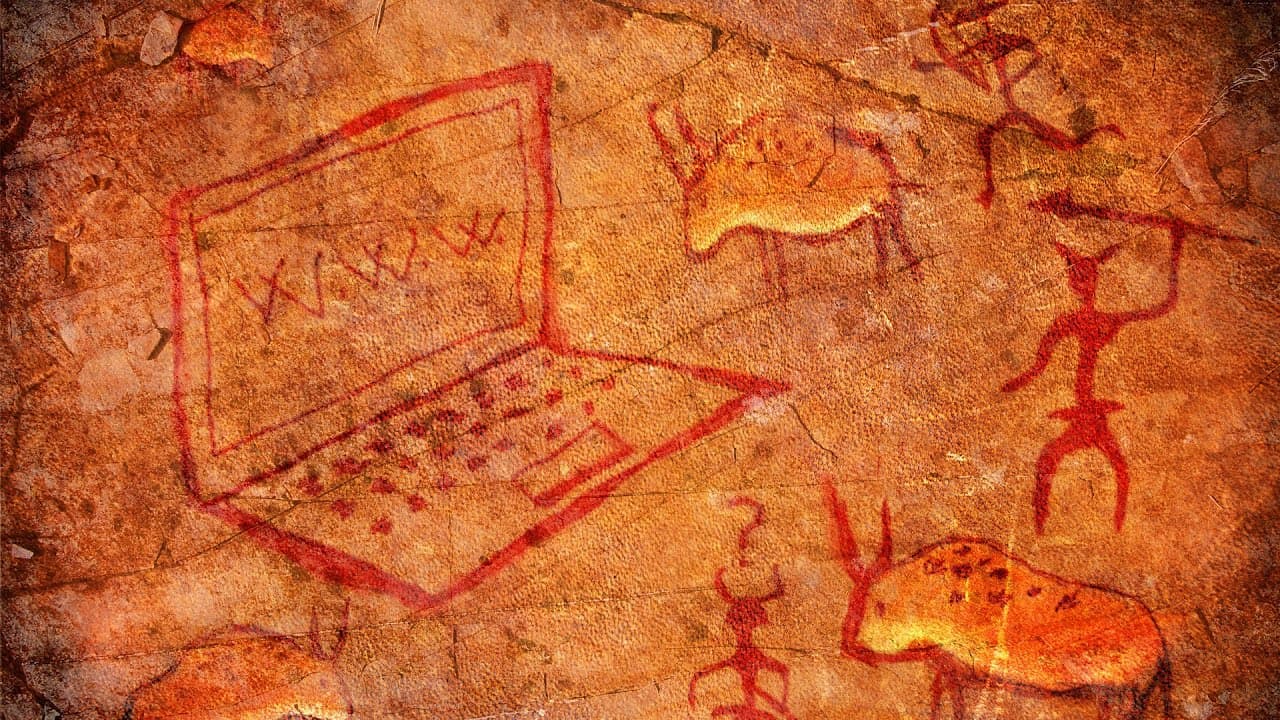
Paul Otlet's 1934 book foreshadowed the internet, envisioning a digital library accessible through screens and telephones.
Transcript
19:34 a visionary named paul otlet wrote a book about information technology which was remarkable in the way that it foreshadowed what we're now calling the internet let's just take a quick look at this publishes his most important book the treatise on documentation the book on the book this is where we find the most visionary pages we're already t... Read More
Key Insights
- 💁 Paul Otlet's book from 1934 demonstrated his visionary understanding of the potential of information technology, foreshadowing the internet.
- 👨🔬 Otlet's concept of a digital library accessible through screens and telephones aligns with our modern online platforms and search engines.
- 😫 The limitations of technology during Otlet's time hindered the full realization of his ideas, but the social confluences and the explosion of knowledge during the Industrial Revolution set the groundwork for the future of information access.
- 🎴 Otlet's attempt to build a global index card catalog and his use of telegraphed queries and remote researchers laid the foundation for modern search mechanisms.
Install to Summarize YouTube Videos and Get Transcripts
Explore YouTube Video Summarizer or Get YouTube Transcript Extractor
Questions & Answers
Q: Why is Paul Otlet not well-known?
Paul Otlet's relative obscurity can be attributed to multiple reasons. Firstly, he worked in Belgium in 1934 and died during World War II, limiting the reach and promotion of his work. Additionally, his ideas were limited by the lack of technological advancements at the time.
Q: How did Paul Otlet try to build his vision of a digital library?
Otlet collected a vast index card catalog of around 12 million entries, attempting to catalog all published information globally. He also developed a system where researchers could receive telegraphed queries and retrieve information, creating an analog precursor to Google's search functionality.
Q: Why did Paul Otlet envision screens and telephones as the future of information access?
Otlet saw the proliferation of knowledge during the Industrial Revolution, with mass literacy and a surge in published information. He recognized the need for a new networking system to make this knowledge globally accessible. The rise of technologies like television and radio further inspired his ideas.
Q: How did Otlet's lack of advanced technology impact the effectiveness of his ideas?
Otlet's ideas were ahead of their time, as he envisioned a digital library before the development of semiconductors, microchips, or hard disks. Without these technological advancements, his vision was limited in practical implementation.
Summary & Key Takeaways
-
Paul Otlet wrote a book in 1934 called "Treatise on Documentation," where he outlined the concept of the computer and the idea of a digital library.
-
Otlet's book imagined a future where screens and telephones would replace physical books, allowing access to vast amounts of information simultaneously.
-
Despite working in Belgium and dying during World War II, Otlet tried to build his vision of a global index card catalog with telegraph queries and remote researchers.
Read in Other Languages (beta)
Share This Summary 📚
Summarize YouTube Videos and Get Video Transcripts with 1-Click
Try YouTube Summary with ChatGPT & Claude or YouTube Transcript Generator
Explore More Summaries from World Science Festival 📚



Summarize YouTube Videos and Get Video Transcripts with 1-Click
Try YouTube Summary with ChatGPT & Claude or YouTube Transcript Generator