The Fight to Stop Illegal Bear Trafficking in Southeast Asia | National Geographic
TL;DR
Wild bears are traded for traditional medicine, with weak laws hindering protection efforts.
Transcript
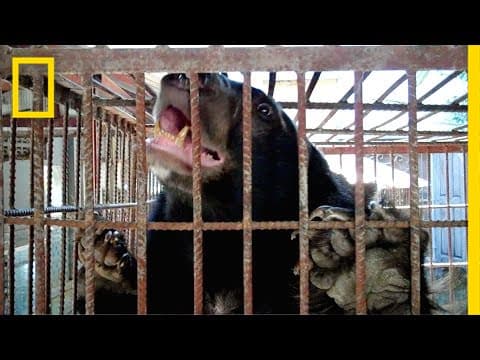
but what I've seen in now is their cages no bigger than two meters by 2 meters by 2 meters these animals would likely be placed in those cages as cubs and spend the duration of their lives their lives in a worrying trend with the increasing captive population of wild bears in bear farms annually we've seen an increase of 21% and with pressure put o... Read More
Key Insights
- 🧔 Wild bears on bear farms endure small, inhumane conditions affecting their well-being.
- 🧔 Poaching and trade for traditional medicine threaten the survival of wild bear populations.
- 🧔 Bear rescue efforts aim to combat the illegal wildlife trade and protect these vulnerable animals.
- 🧔 Demand for bear products like bile drives illegal trafficking, endangering wild bear populations.
- 🤨 Educational campaigns are crucial to raise awareness about the plight of bears in the wildlife trade.
- 🧔 Weak laws and limited enforcement capacity hinder the protection of wild bears from exploitation.
- 🧔 The illegal wildlife trade poses a significant threat to the conservation of wild bear species.
Install to Summarize YouTube Videos and Get Transcripts
Explore YouTube Video Summarizer or Get YouTube Transcript Extractor
Questions & Answers
Q: What are the main threats faced by wild bears in the illegal wildlife trade?
Wild bears face threats like being poached, separated from their families, and traded for products like bear bile and traditional medicine, leading to their exploitation and suffering.
Q: Why are bear farms becoming a concerning trend in the wildlife trade industry?
Bear farms confine bears in small cages, exploiting them for their body parts and bile, contributing to the illegal wildlife trade and endangering wild bear populations.
Q: How are organizations working to rescue and protect wild bears from illegal wildlife trade?
Organizations engage in rescue efforts, rehabilitation, and educational campaigns to raise awareness about the plight of wild bears and combat the illegal trade affecting these animals.
Q: What are the challenges faced in enforcing laws and regulations to protect wild bears from exploitation?
Challenges in enforcing laws include limited government capacity and weak protective legislation, hindering efforts to combat wildlife trafficking and safeguard wild bear populations.
Summary & Key Takeaways
-
Wild bears, like Asiatic black bears, are kept in tiny cages on bear farms, impacting their well-being.
-
Bears are poached in the wild, separated from their mothers, and traded for various illegal purposes, like the bear bile industry.
-
Despite rescue efforts, the increasing demand for bear products poses a threat to these intelligent animals.
Read in Other Languages (beta)
Share This Summary 📚
Summarize YouTube Videos and Get Video Transcripts with 1-Click
Try YouTube Summary with ChatGPT & Claude or YouTube Transcript Generator
Explore More Summaries from National Geographic 📚



Summarize YouTube Videos and Get Video Transcripts with 1-Click
Try YouTube Summary with ChatGPT & Claude or YouTube Transcript Generator