Is Capitalism to Blame for Climate Change?
TL;DR
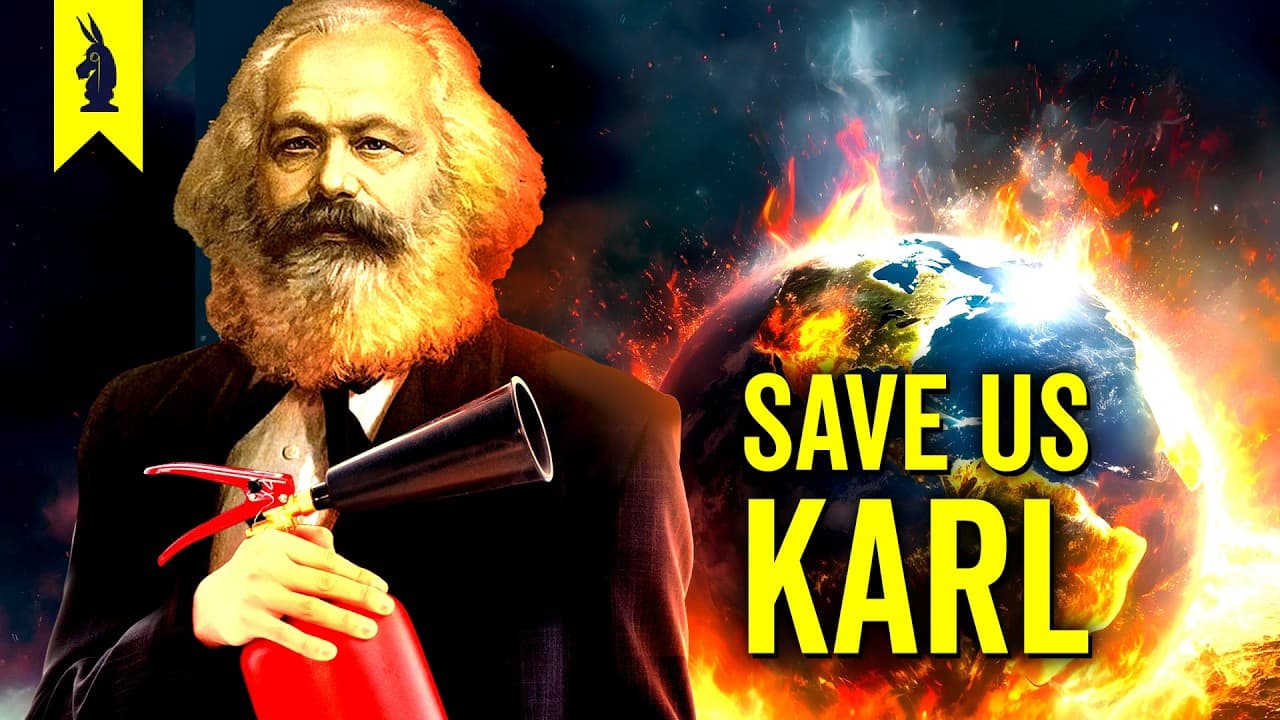
Daren Woods, CEO of Exxon, argues that consumer choices drive climate change, diverting blame from corporations. However, studies show a small group of companies contributes significantly to global emissions, highlighting systemic issues tied to capitalism. Alternative solutions like degrowth and public ownership of renewable energy focus on prioritizing human well-being over profits.
Transcript
okay guys I got to know who's responsible for climate change well according to Daren Woods the CEO of Exxon it's you because you're not voting with your dollars we have opportunities to make fuels with lower carbon in it but people aren't willing to spend the money to do that Exxon has lower carbon fuels ready to go but consumers are simply too che... Read More
Key Insights
- 🪛 Corporate leaders like Daren Woods claim consumer choices as the main driver of climate change, deflecting attention from corporate accountability.
- 🫢 Studies indicate that a small number of companies contribute a significant portion of global greenhouse gas emissions, underscoring systemic issues in climate responsibility.
- ⛽ The media often facilitates corporate narratives that promote fossil fuel reliance, complicating public understanding of climate action.
- 🇨🇫 Philosophers propose alternatives like degrowth and public ownership of renewable energy to shift focus toward human well-being over profit.
- 🤞 Critics argue that efforts like the Green New Deal may provide false hope by maintaining profitability as a central concern rather than driving genuine change.
- 💍 Engaging in community-driven sustainability initiatives can empower consumers and shift focus from individualistic approaches to collective action against climate change.
- 💦 Transformation of work structures, such as shorter workweeks, is suggested as a viable method to reduce consumption and promote environmental well-being.
Install to Summarize YouTube Videos and Get Transcripts
Explore YouTube Video Summarizer or Get YouTube Transcript Extractor
Questions & Answers
Q: What argument does Daren Woods make regarding consumer responsibility for climate change?
Daren Woods argues that consumers bear responsibility for climate change because they are not willing to pay more for lower-carbon fuels that Exxon has developed. This deflection from corporate accountability shifts the onus onto consumers to make environmentally friendly purchasing choices, implying that their voting power with dollars is inadequate in addressing the climate crisis.
Q: How do climate economists react to Woods’ statements?
Climate economists, such as Gnet Wagner, have responded critically to Woods’ claims, likening his stance to a "drug lord" blaming others for drug issues, thereby highlighting the absurdity of shifting responsibility away from corporations that contribute massively to greenhouse gas emissions. They argue that this tactic undermines the crucial need for systemic changes within industries that prioritize profit over ecological well-being.
Q: What are some proposed alternatives to combat climate change mentioned in the content?
The content presents several alternatives, including degrowth, which emphasizes reducing resource consumption and prioritizing human well-being over continuous economic growth. Another approach involves transitioning the renewable energy sector to public ownership to ensure it serves societal needs rather than profit motives, thus enabling the rapid deployment of clean energy solutions.
Q: How does the media play a role in the narrative around fossil fuels and climate change?
The content illustrates that the media often serves corporate interests, portraying fossil fuel companies favorably and obscuring their role in climate destruction. This includes funded content and propaganda that shapes public perception, detracting from meaningful discussions about addressing climate change and instead fostering a narrative that aligns with corporate profit motives.
Q: What criticism do alternatives like the Green New Deal face, according to the content?
The alternatives, including the Green New Deal, are criticized for being ineffective solutions that operate within the inherently flawed capitalist framework. Scholars like Koo Seita argue that these measures do not challenge the economic system driving climate change, as they continue to support market-driven growth rather than facilitating a genuine transformation in consumption and production patterns.
Q: What does degrowth advocate for, and who promotes this concept?
Degrowth advocates for a planned reduction in energy and resource use, as proposed by economic anthropologist Jason Hickle and philosopher Koo Seita. It aims to align the economy with ecological and social imperatives, promoting equality and well-being while addressing climate issues by advocating for a slower pace of production and consumption of both goods and media.
Q: In what ways can consumers engage in more sustainable lifestyles, according to the content?
Consumers can engage in more sustainable lifestyles by participating in communal activities, promoting local urban farming initiatives, supporting environmentally-friendly policies through labor unions, and advocating for reduced work hours. Such actions can foster greater connection to community and lessen reliance on exploitative consumption patterns, thus contributing to solutions for climate change without overly hinging on individual consumer choices.
Summary & Key Takeaways
-
Daren Woods, CEO of Exxon, claims consumers are responsible for climate change due to their spending habits, suggesting they resist purchasing lower-carbon fuels despite availability.
-
Climate experts criticize this view, arguing that large corporations like Exxon are predominantly responsible for greenhouse gas emissions and divert attention from systemic issues tied to capitalism.
-
Alternative approaches, such as degrowth and public ownership of renewable energy, are presented as possible solutions to mitigate climate change, challenging the profit-driven motives of corporations.
Read in Other Languages (beta)
Share This Summary 📚
Summarize YouTube Videos and Get Video Transcripts with 1-Click
Try YouTube Summary with ChatGPT & Claude or YouTube Transcript Generator