The History of Computing in Colour - Professor Martin Campbell-Kelly
TL;DR
This comprehensive analysis explores the transformation of design in computing, from monolithic machines to sleek and colorful systems.
Transcript
I think this is the strangest lecture I've ever given how it arose was I was walking from the Science Museum with Doren and he asked if I would like to say anything you that the to give a talk at this meeting I said well I hadn't actually I'm not really doing anything I didn't want to rehash all the things I said I do have a germ of an idea which h... Read More
Key Insights
- 👶 Color illustrations in historical books can enhance the emotional impact of images, bringing new perspectives to well-known events.
- 💠 Chance occurrences, such as the presence of a color photographer, can shape the historical narrative of events like bombings during World War II.
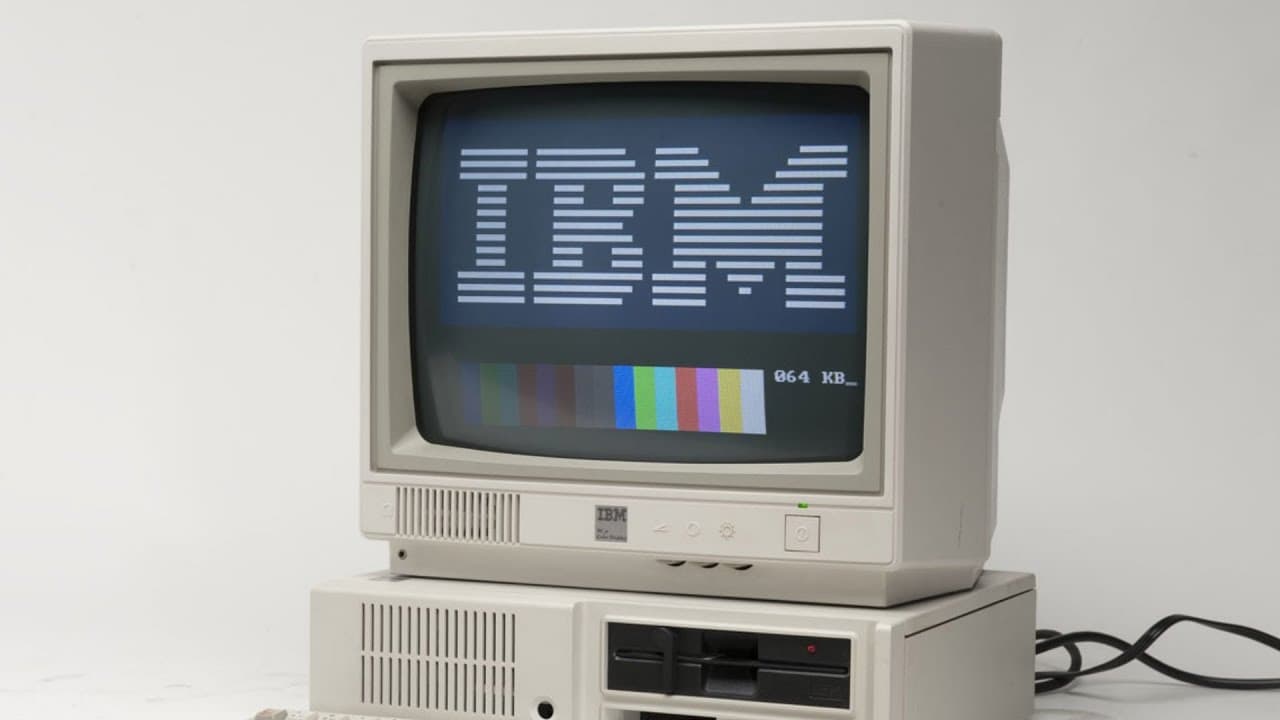
- 🎰 The design of computing equipment has evolved from monolithic machines to sleek systems, focusing on efficiency, modularization, and streamlined aesthetics.
- 🖐️ Designers like Elliot Noyes have played a significant role in transforming the look and feel of computing equipment, making it more visually appealing and user-friendly.
Install to Summarize YouTube Videos and Get Transcripts
Explore YouTube Video Summarizer or Get YouTube Transcript Extractor
Questions & Answers
Q: How did the introduction of color printing technologies impact the emotional impact of historical illustrations?
Color illustrations in historical books, made possible by low-cost color printing, have added an emotional impact to images. For instance, in depicting the Coventry blitz during World War II, the use of color makes one image with a canary in a cage more emotionally striking than a black and white image.
Q: How did color illustrations affect the historical perspective on events like the bombing of Stuttgart during World War II?
Color illustrations have the potential to show a different perspective on historical events. In the case of the bombing of Stuttgart, color photographs were available due to the presence of a color photographer in Stuttgart but not in Dresden. This chance occurrence led researchers to question the common narrative that focuses solely on the bombing of Dresden.
Q: How did the design of computing equipment change over time?
Initially, computing machines had a monolithic design, resembling large chunks of machinery. However, designers like Elliot Noyes introduced streamlined aesthetics, enclosed interiors, orthogonal arrangements, and modular designs. These changes made computing equipment more visually appealing, efficient, and user-friendly.
Q: What influence did Elliot Noyes have on the design of IBM computers?
Elliot Noyes, a leading designer, brought a new perspective to the design of IBM computers. He transformed their headquarters' room, introducing elements like false ceilings, diffused lighting, primary colored walls, and white floors. He also influenced the design of IBM's typewriters and the Selectric typewriter, which became iconic in the post-war era.
Summary & Key Takeaways
-
The advent of low-cost color printing in the 1990s sparked a new wave of color illustrations in historical books, amplifying the emotional impact of images.
-
The use of color illustrations in the history of computing reveals new perspectives and stories, just as it did in historical events like the bombing of Stuttgart during World War II.
-
The design of computing equipment evolved from monolithic machines to sleek systems, with a focus on efficiency, modularization, and streamlined aesthetics.
Read in Other Languages (beta)
Share This Summary 📚
Summarize YouTube Videos and Get Video Transcripts with 1-Click
Try YouTube Summary with ChatGPT & Claude or YouTube Transcript Generator
Explore More Summaries from Gresham College 📚


Summarize YouTube Videos and Get Video Transcripts with 1-Click
Try YouTube Summary with ChatGPT & Claude or YouTube Transcript Generator