Can We Repeat JFK’s Magic Tax Formula? | Larry Kudlow | Big Think
TL;DR
Lower tax rates stimulate economic growth by incentivizing hard work and investment.
Transcript
The so-called liberal argument, which is probably more liberal today than it has been in many, many decades, they argue that we should have equality. Everybody should be equal. We should all make the same amount of money. We should all have the same assets and wealth. I don't believe that. I think that's fundamentally inimical to free market capita... Read More
Key Insights
- 😘 Lower tax rates stimulate economic growth through increased incentives for hard work and investment.
- ❓ Income equality measures are critiqued for resembling failed socialist models that inhibit economic progress.
- 😘 Historical examples, such as post-Civil War America and the 1980s economic boom, showcase the benefits of lower tax rates and reduced government involvement in fostering prosperity.
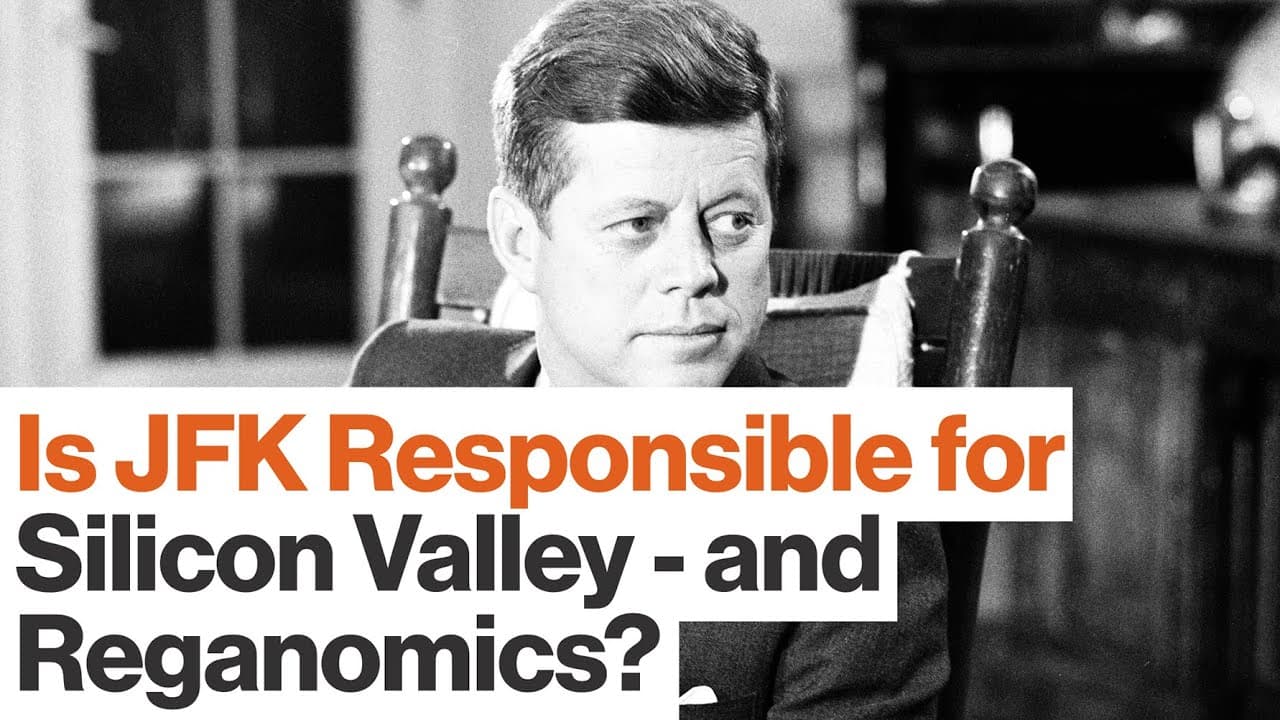
- 💇 Kennedy's tax cuts in the 1960s, supported by a Republican treasury secretary, contributed to economic growth by incentivizing entrepreneurship and risk-taking.
- 👨💼 The speaker argues that government intervention should be limited to avoid stifling businesses, particularly small businesses vital to economic growth.
- 💦 Incentives, such as after-tax income increases, drive individuals to work harder and innovate, ultimately fueling economic success.
- 😘 The shift towards free market principles, marked by lower tax rates and economic freedom, has historically led to improved economic conditions.
Install to Summarize YouTube Videos and Get Transcripts
Explore YouTube Video Summarizer or Get YouTube Transcript Extractor
Questions & Answers
Q: How do lower tax rates impact economic growth?
Lower tax rates incentivize individuals to work harder and invest more, leading to increased economic activity and growth. This principle has been supported by historical evidence of prosperity following tax cuts.
Q: What is the argument against income equality?
Critics argue that income equality measures resemble socialist models that restrict economic growth by redistributing wealth. Instead, focusing on expanding the economic pie benefits all individuals by increasing overall prosperity.
Q: How did John F. Kennedy contribute to the economic argument for lower tax rates?
Kennedy's tax cuts in the 1960s, supported by a Republican treasury secretary, aimed to stimulate economic growth by reducing the top tax rate from 91% to 70%. This move highlighted the importance of incentives in driving economic prosperity.
Q: What role does government intervention play in economic growth?
The speaker emphasizes that excessive government intervention, particularly through high tax rates and regulations, can stifle economic growth by hindering entrepreneurship and innovation. A balance between regulation and economic freedom is necessary for sustained prosperity.
Summary & Key Takeaways
-
Lower tax rates spur economic growth by incentivizing hard work and investment.
-
Income equality efforts resemble failed socialist models that restrict economic progress.
-
History shows that lower tax rates and reduced government intervention lead to prosperity.
Read in Other Languages (beta)
Share This Summary 📚
Summarize YouTube Videos and Get Video Transcripts with 1-Click
Try YouTube Summary with ChatGPT & Claude or YouTube Transcript Generator
Explore More Summaries from Big Think 📚




Summarize YouTube Videos and Get Video Transcripts with 1-Click
Try YouTube Summary with ChatGPT & Claude or YouTube Transcript Generator