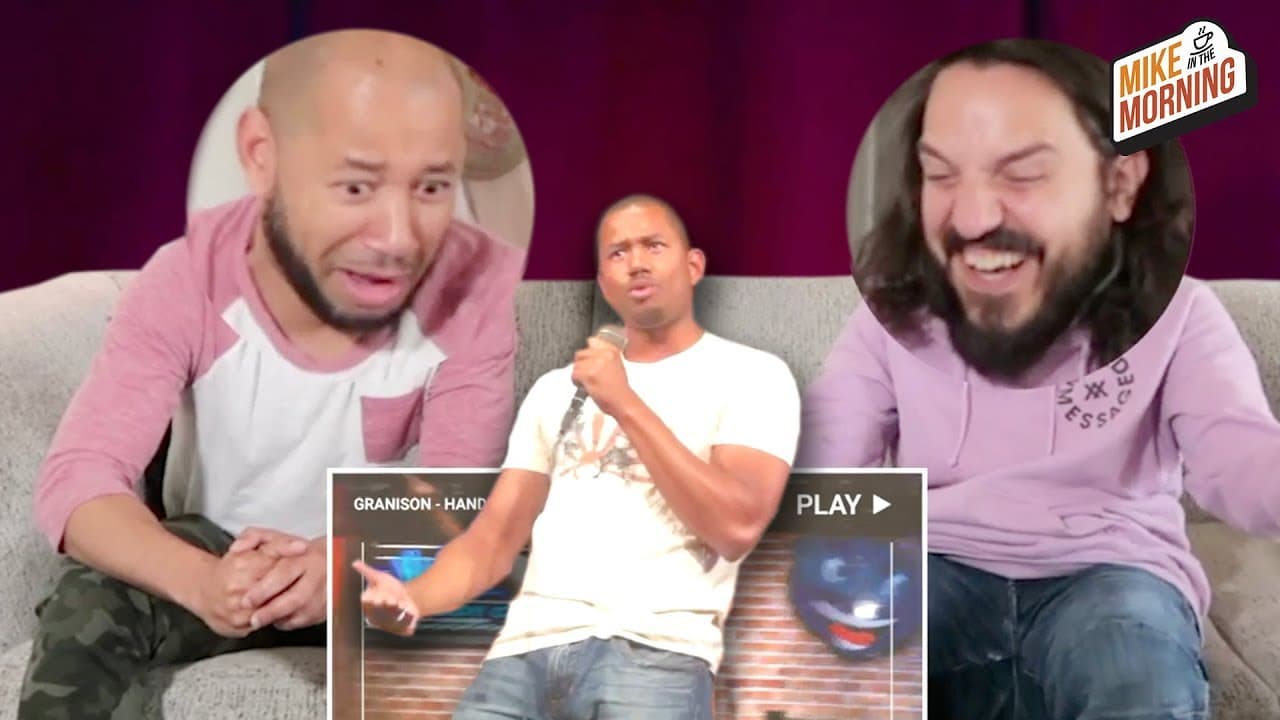
REWATCHING MY FIRST SET... w/ Granison Crawford
TL;DR
The discussion revolves around personal growth in stand-up comedy and the challenges of performing.
Transcript
dude if you want a career after this we can't show this is my friend grayness and Crawford he is one of my favorite people in this city people always tell me I live by other people which is weird to me cuz don't we all well I guess it'd be extra strange if someone walked up and was like you don't look like a person why people like to tell me I look... Read More
Key Insights
- 🥺 The journey of comedy involves significant patience and self-reflection, which can lead to more authentic performances over time.
- 👻 Reflecting on past performances allows comedians to identify patterns in their material and understand audience perceptions.
- 🃏 The nature of comedy has evolved, with contemporary expectations demanding that comedians consider the nuances of their jokes and societal implications.
- ✍️ Growth in the craft is often linked to the willingness to learn from failures and adapt one’s approach to writing and performing.
- ❎ Comedy can be an avenue for addressing societal taboos, but it requires a responsible mindset to avoid reinforcing negative stereotypes.
- 👶 Collaboration and feedback from experienced comedians can greatly improve new performers' approaches to material development.
- 🇨🇫 Comedy today requires an awareness of how public scrutiny can impact a comedian's career trajectory.
Install to Summarize YouTube Videos and Get Transcripts
Explore YouTube Video Summarizer or Get YouTube Transcript Extractor
Questions & Answers
Q: What was the main reason for the comedian's five-year hiatus from stand-up?
The comedian took a break from performing due to a combination of factors, including a disappointing performance at the Comedy Store where they felt they bombed. Additionally, they were focused on making money from acting, which led them to prioritize auditions over comedy, resulting in an extended absence from the stage.
Q: How did the comedian's early experiences influence their perspective on performing?
Early experiences shaped the comedian's approach to performance and material. Initially, they believed shock value and offensive content were necessary for comedy. Over time, guidance from mentors helped them realize the importance of substance and thoughtfulness in their material, helping them avoid falling into stereotypes.
Q: What insights did the comedian gain from their struggles with material?
The comedian learned that they often wrote jokes that aligned with what they thought a typical comedian should say, rather than reflecting their authentic self. They understood that a comedian's material needs to convey their true perspective and unique voice, rather than relying on cliched or offensive humor to entertain.
Q: What is the significance of personal growth in comedy, according to the discussion?
Personal growth in comedy is crucial, as the participants highlight how individuals evolve in their understanding and taste over time. The conversation underscores the importance of adapting one’s comedic voice and analyzing past performances, reflecting on how societal contexts influence humor and the responsibilities that come with it.
Q: How do societal changes affect comedians today, according to the discussion?
The participants argue that as societal norms shift, there is an increasing expectation for comedians to be conscious of the implications of their material. Today's audiences are more aware and less forgiving of content that may perpetuate stereotypes or evoke intolerance, leading to an environment where comedians must navigate their messaging more carefully.
Q: What advice does the comedian share for aspiring stand-up artists?
Aspiring comedians are encouraged to focus on developing their unique voice rather than imitating established norms. Emphasizing authenticity, they advise young comedians to explore personal experiences and perspectives, fostering genuine connections with their audience instead of relying on hacky or offensive humor.
Summary & Key Takeaways
-
The performers share their experiences in stand-up comedy, highlighting the long duration between shows and the impact of early performances on their confidence.
-
They discuss the evolution of their comedic styles, the importance of refining material, and how perceptions of comedy can change over time.
-
The conversation emphasizes the need for comedians to grow and adapt, and the societal shift towards accountability in public discourse.
Read in Other Languages (beta)
Share This Summary 📚
Summarize YouTube Videos and Get Video Transcripts with 1-Click
Try YouTube Summary with ChatGPT & Claude or YouTube Transcript Generator
Explore More Summaries from mikefalzone 📚

Summarize YouTube Videos and Get Video Transcripts with 1-Click
Try YouTube Summary with ChatGPT & Claude or YouTube Transcript Generator