How Does Music Influence Daydreams?

TL;DR
Music can shape our daydreams by triggering shared, vivid stories in our minds through implicit pattern recognition. This occurs because music activates the brain's default mode network, influencing spontaneous thoughts. Our musical imaginings are shaped by personal and cultural experiences, revealing the associations we subconsciously track throughout life.
Transcript
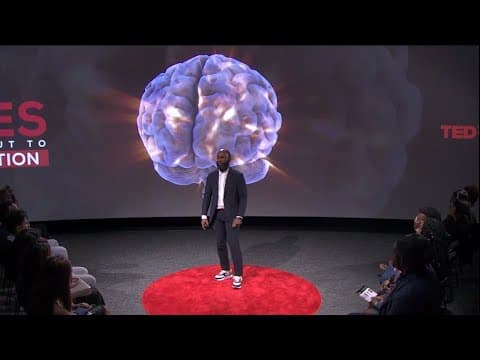
[music] [music] >> Dreams are our most personal property. So, what would it mean if I could make you dream something? My kids love the movie Inception because it suggests this might just be possible. That Leonardo DiCaprio could drop right into your mental theater and slightly change the script, thereby you. In the real world, my kids attempted to ... Read More
Key Insights
- Music can shape daydreams by triggering specific, shared stories in our minds.
- The default mode network in the brain is activated during music-induced daydreaming.
- Implicit knowledge of musical patterns influences our mental imagery.
- Cultural and personal experiences shape how music evokes imagined stories.
- Music is not a universal language but reveals shared pattern associations.
- Implicit pattern recognition in music is a subconscious process.
- Music evokes emotions and can make daydreams feel immersive.
- Environmental and cultural contexts influence musical associations and imaginings.
Install to Summarize YouTube Videos and Get Transcripts
Explore YouTube Video Summarizer or Get YouTube Transcript Extractor
Questions & Answers
Q: How does music shape our daydreams?
Music shapes our daydreams by activating the brain's default mode network, which influences spontaneous thoughts and mental imagery. Through implicit pattern recognition, music can trigger vivid, shared stories in our minds, highlighting the power of music to shape our spontaneous thoughts and imaginings.
Q: Why are musical imaginings often shared among people?
Musical imaginings are often shared among people because they are shaped by implicit pattern recognition and cultural experiences. The brain's default mode network is activated during music-induced daydreaming, leading to shared mental imagery influenced by the associations tracked subconsciously throughout life.
Q: What role does implicit knowledge play in musical imaginings?
Implicit knowledge plays a crucial role in musical imaginings by allowing us to subconsciously track patterns in music. This pattern recognition influences our mental imagery and daydreams, creating shared stories and emotions that are shaped by personal and cultural experiences.
Q: How do cultural experiences affect musical associations?
Cultural experiences affect musical associations by shaping the patterns and stories that music evokes in our minds. Different cultural contexts lead to different interpretations of music, influencing the imagined stories and emotions that arise during music-induced daydreaming.
Q: Is music a universal language?
Music is not a universal language, but it reveals shared pattern associations within cultural and personal contexts. While music can evoke similar emotions and stories across different people, these associations are shaped by individual experiences and cultural backgrounds, leading to diverse interpretations.
Q: How does the environment influence music's effect on daydreams?
The environment influences music's effect on daydreams by shaping the patterns and associations that music evokes. Different cultural and personal experiences lead to varied interpretations of music, affecting the imagined stories and emotions that arise during music-induced daydreaming.
Q: What is the default mode network's role in music-induced daydreaming?
The default mode network plays a crucial role in music-induced daydreaming by being activated during music listening, influencing spontaneous thoughts and mental imagery. This network helps shape the vivid, shared stories that music can evoke in our minds, highlighting music's power to influence daydreams.
Q: How does music evoke emotions during daydreaming?
Music evokes emotions during daydreaming by triggering implicit pattern recognition and activating the brain's default mode network. This process leads to vivid mental imagery and shared stories, with music's dynamic unfolding and repetition enhancing emotional engagement and making daydreams feel immersive.
Summary & Key Takeaways
-
Music can influence daydreams by triggering vivid, shared stories in our minds through implicit pattern recognition. The default mode network in the brain is activated during music-induced daydreaming, highlighting the power of music to shape our spontaneous thoughts and imaginings.
-
Our musical imaginings are shaped by personal and cultural experiences, revealing the associations we subconsciously track throughout life. While music is not a universal language, it can expose shared pattern associations and evoke powerful emotions.
-
By understanding how music influences our daydreams, we gain insight into the rich web of life experiences and communities that shape our mental imagery. Music's ability to evoke shared imaginings highlights its connective power, offering a glimpse into others' experiences.
Read in Other Languages (beta)
Share This Summary 📚
Summarize YouTube Videos and Get Video Transcripts with 1-Click
Try YouTube Summary with ChatGPT & Claude or YouTube Transcript Generator
Explore More Summaries from TEDx Talks 📚





Summarize YouTube Videos and Get Video Transcripts with 1-Click
Try YouTube Summary with ChatGPT & Claude or YouTube Transcript Generator