Donning and Fit Checking of Respirator in NSW Healthcare Settings: Cupped Respirator

TL;DR
Steps for donning and fit checking N95 respirators.
Transcript
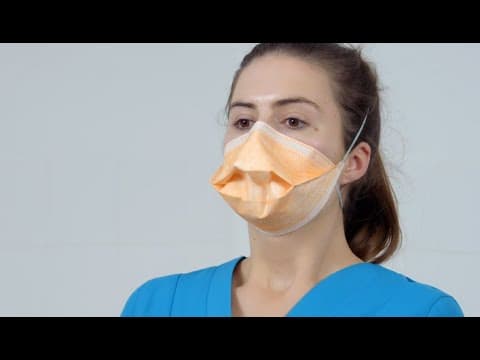
this video forms part of a series on donning and fit checking p2 or n95 respirators in New South Wales healthcare settings it is important to refer to the overview on these types of respirators for general guidance this video does not replace the need to check the manufacturers instruction for use to Don the respirator remove it from its packaging ... Read More
Key Insights
- The video is part of a series on donning and fit checking P2 or N95 respirators in NSW healthcare settings, emphasizing the importance of following manufacturer instructions.
- Before donning, inspect the respirator for damage and ensure all components are intact to maintain effectiveness.
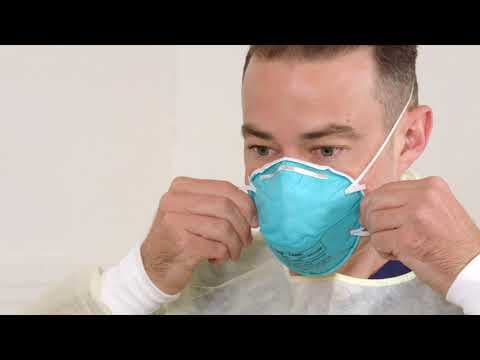
- Properly positioning the respirator involves placing it under the chin and across the nose bridge, ensuring the straps are correctly placed on the head and neck.
- Molding the nose clip with both hands is crucial to achieve a secure fit and avoid air leaks, enhancing respirator performance.
- Facial hair, jewelry, and clothing should not interfere with the respirator's fit to ensure a proper seal and effective protection.
- A fit check involves covering the respirator with hands and inhaling and exhaling sharply to detect air leaks, which require immediate correction.
- If a proper seal cannot be achieved, seek assistance from a colleague or supervisor, and consider trying a different respirator model.
- The video is linked to a MyHealthLearning module for NSW Health staff, ensuring proper training and documentation of respirator donning and fit checking.
Install to Summarize YouTube Videos and Get Transcripts
Explore YouTube Video Summarizer or Get YouTube Transcript Extractor
Questions & Answers
Q: What is the first step before donning the respirator?
The first step before donning the respirator is to remove it from its packaging and inspect all components for any damage. This ensures that the respirator is in good condition and ready for effective use. Damaged or compromised respirators may not provide the necessary protection, so this step is critical.
Q: How should the respirator be positioned on the face?
The respirator should be positioned under the chin and across the bridge of the nose. It is important to hold the respirator in one hand, keeping the fingertips on the nose piece, while the straps hang below. This positioning ensures that the respirator covers the necessary areas for optimal protection.
Q: Why is it important to use both hands when molding the nose clip?
Using both hands to mold the nose clip is important because it helps achieve a secure fit by applying even pressure on both sides of the nose. Pinching with one hand can result in an improper fit and reduce the respirator's effectiveness, potentially allowing air leaks and compromising safety.
Q: What should be avoided to ensure a proper fit of the respirator?
To ensure a proper fit, avoid having facial hair, jewelry, or clothing between the face and the respirator. These can interfere with the seal of the respirator, leading to air leaks and reducing its effectiveness in providing protection against airborne particles.
Q: What is the purpose of the fit check?
The purpose of the fit check is to verify that the respirator is properly sealed against the face. By covering the front of the respirator with hands and inhaling and exhaling sharply, one can detect air leaks. If leaks are found, adjustments must be made to ensure the respirator's effectiveness.
Q: What should be done if a proper seal cannot be achieved?
If a proper seal cannot be achieved, it is important to seek assistance from a colleague or supervisor. They can help check for issues such as twisted straps or obstructions. If necessary, trying a different respirator model may be required to ensure a proper fit and safety.
Q: What additional resources are available for NSW Health staff?
NSW Health staff are encouraged to view these videos in the MyHealthLearning module titled "Donning and Fit Checking of Respirator in NSW Healthcare Settings" (course code 319438161). This ensures they receive proper training and have a record of completion, which is important for maintaining safety standards.
Q: What should be done if air leaks are detected during the fit check?
If air leaks are detected during the fit check, the nose clip should be readjusted by repeating the earlier steps. Additionally, ensure that the straps are properly positioned and not twisted. If the issue persists, seek assistance and consider trying a different respirator to achieve a proper seal.
Summary & Key Takeaways
-
The video provides a detailed guide on donning and fit checking P2 or N95 respirators, emphasizing the importance of inspecting the respirator and following the manufacturer's instructions for effective use in healthcare settings.
-
Proper donning involves positioning the respirator under the chin, securing the straps on the head and neck, and molding the nose clip using both hands to ensure a snug fit and prevent air leaks.
-
Fit checking is essential to verify the seal of the respirator. If air leaks are detected, adjustments should be made, and assistance sought if necessary to ensure safety during clinical activities.
Read in Other Languages (beta)
Share This Summary 📚
Summarize YouTube Videos and Get Video Transcripts with 1-Click
Try YouTube Summary with ChatGPT & Claude or YouTube Transcript Generator
Explore More Summaries from Clinical Excellence Commission 📚
Summarize YouTube Videos and Get Video Transcripts with 1-Click
Try YouTube Summary with ChatGPT & Claude or YouTube Transcript Generator