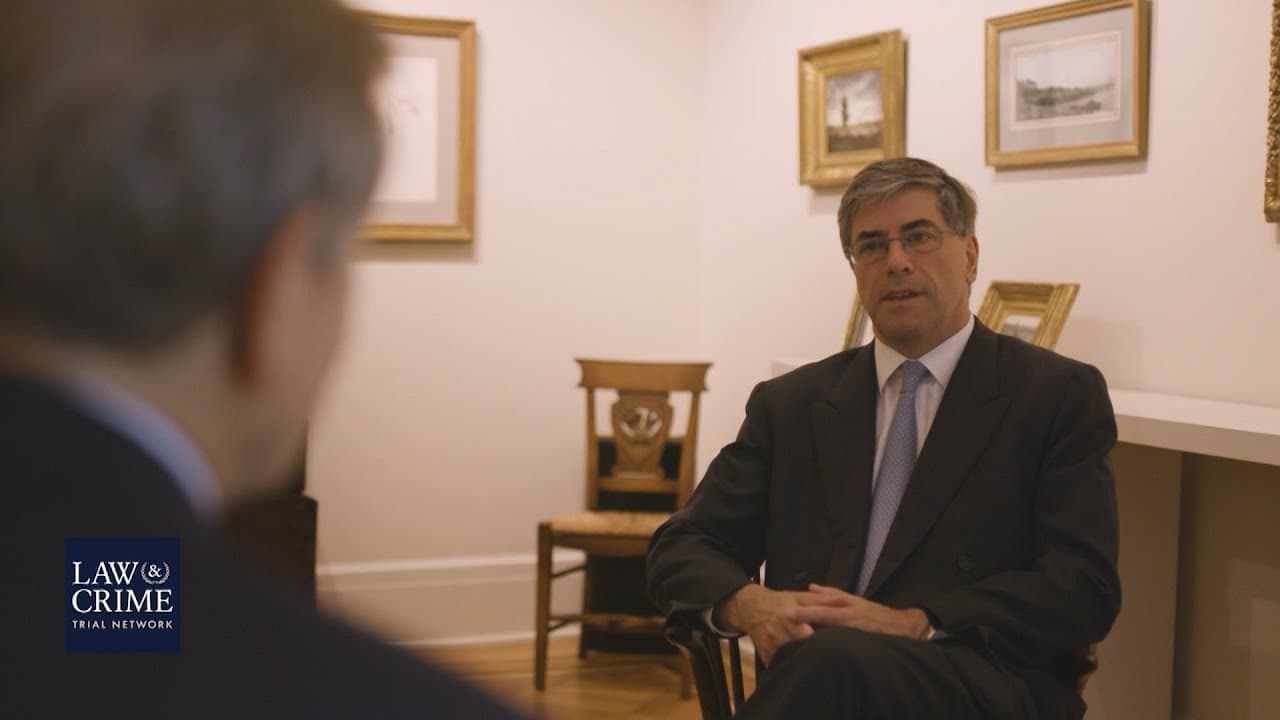
Brian Ross Investigates — Art Expert Chris Robinson
TL;DR
Former art dealer turned lawyer discusses art theft, recovery methods, and the challenges in the art market.
Transcript
we continue now with our special report on art theft we just heard from the FBI but sometimes in fact oftentimes it takes more than someone with a badge and a gun to get to the bottom of the case in the movies like the Thomas Crown Affair art thieves are portrayed as cultured and debonair as they make off with priceless treasures but we got a diffe... Read More
Key Insights
- 🥰 Art theft often involves individuals seeking monetary gain rather than cultural appreciation.
- 🥰 Recovering stolen art requires specialized investigative companies such as K2 and the Art Loss Register.
- 🥰 The sophistication of the art market and the rise of online databases make it challenging to sell stolen art.
- 🥰 Private companies offer solutions for individuals looking to recover stolen art without law enforcement involvement.
- 🎯 Rewards for art recovery may target minor players but are unlikely to impact the primary art thieves.
- 🥰 Stolen art pieces like those from the Gardner Museum may be hidden in secure locations, away from public display.
- 🥰 The theft of cultural treasures like art impacts public enjoyment and heritage preservation.
Install to Summarize YouTube Videos and Get Transcripts
Explore YouTube Video Summarizer or Get YouTube Transcript Extractor
Questions & Answers
Q: How do art thieves differ from their glamorous portrayal in movies like "Thomas Crown Affair"?
Art thieves are commonly motivated by monetary gain rather than sophistication, often facing challenges in selling stolen art due to its recognizability.
Q: Can stolen art pieces, like those from the Gardner Museum, ever be recovered?
While the recovery of stolen art is possible, the condition of the pieces and their circulation in illicit markets pose significant challenges during the retrieval process.
Q: How can private individuals recover stolen art without involving law enforcement?
Private companies like K2 and the Art Loss Register specialize in investigating and recovering stolen art for individual clients, offering alternative solutions to law enforcement involvement.
Q: Does offering rewards for stolen art recovery incentivize more thefts?
Rewards can aid in art recovery by targeting individuals close to the theft, but they are unlikely to motivate the original thieves and may have minimal impact on future art theft instances.
Summary & Key Takeaways
-
Christopher Robinson, a former art dealer turned lawyer, sheds light on art theft, recovery efforts, and challenges in the art market.
-
Recovering stolen art involves intricate investigation techniques and collaboration with specialized companies like K2 and the Art Loss Register.
-
Art theft remains a prevalent issue, driven by the allure of high prices in the art market and the difficulty in authenticating stolen pieces.
Read in Other Languages (beta)
Share This Summary 📚
Summarize YouTube Videos and Get Video Transcripts with 1-Click
Try YouTube Summary with ChatGPT & Claude or YouTube Transcript Generator
Explore More Summaries from Law&Crime Network 📚




Summarize YouTube Videos and Get Video Transcripts with 1-Click
Try YouTube Summary with ChatGPT & Claude or YouTube Transcript Generator