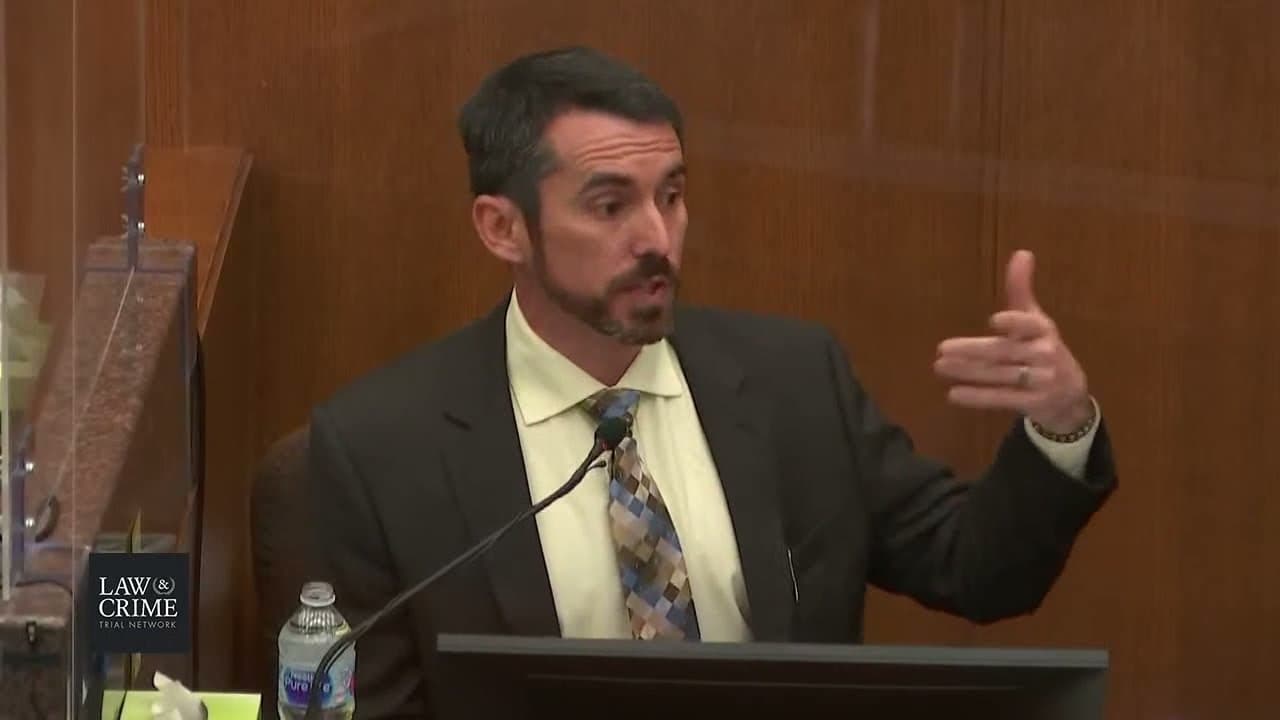
MN v. Kim Potter Trial Day 6 - Professor Seth Stoughton - University Of South Carolina Part 2
TL;DR
Analyzing if the use of deadly force was reasonable in a specific case involving an officer.
Transcript
let's bring the witness back on okay please be seated oh mr frankie may continue thank you professor stone let me start out this way in assessing or arriving at your opinion about whether the use of deadly force was reasonable and proportional in this case did you attempt to identify any threat imminent great bodily harm or death yes and were you a... Read More
Key Insights
- 👮 Threat identification is crucial in determining the reasonableness of using deadly force in law enforcement situations.
- 🖐️ Officer conduct before, during, and after an incident plays a significant role in assessing the justification for deadly force.
- 😒 The behavior of officers involved, including the issuing of warnings and use of weapons, affects the perception of imminent threats.
- 😒 Immediate actions taken after a use of deadly force can indicate whether the threat was perceived as imminent by the involved officers.
- 🪡 Profound consideration is given to the potential risks and consequences of using deadly force, emphasizing the need for proportionality in such decisions.
- 😒 Body-worn camera footage and eyewitness testimonies are essential in reconstructing events to evaluate the reasonableness of deadly force use.
- 😥 Hollow point bullets are standard in policing but pose risks of over-penetration, necessitating careful consideration of surroundings when using deadly force.
Install to Summarize YouTube Videos and Get Transcripts
Explore YouTube Video Summarizer or Get YouTube Transcript Extractor
Questions & Answers
Q: How did Professor Stone determine if the use of deadly force was justified?
Professor Stone assessed threat identification and officer conduct based on the case's evidence to determine if the use of deadly force was reasonable.
Q: What factors did Professor Stone consider in evaluating the perceived threat?
Professor Stone considered potential risks, officer behavior, and the actions leading up to and following the use of deadly force to ascertain if the threat was imminent.
Q: What impact did Officer Potter's actions have on the assessment of the situation?
Officer Potter's decisions to use a taser, draw her sidearm, issue warnings, and ultimately fire the weapon influenced the evaluation of whether the use of deadly force was justified.
Q: In what circumstances would the use of deadly force be deemed reasonable by a reasonable officer?
A reasonable officer would only resort to deadly force if there was an imminent threat of death or great bodily harm, as determined by the specific situation and behavior of those involved.
Summary & Key Takeaways
-
Professor Stone assesses if deadly force was justified in a case based on threat identification and officer conduct.
-
Considerations include the potential threat, officer behavior before, during, and after the incident, and trajectory of events.
-
Evaluation focuses on whether a reasonable officer in the situation would perceive an imminent threat.
Read in Other Languages (beta)
Share This Summary 📚
Summarize YouTube Videos and Get Video Transcripts with 1-Click
Try YouTube Summary with ChatGPT & Claude or YouTube Transcript Generator
Explore More Summaries from Law&Crime Network 📚





Summarize YouTube Videos and Get Video Transcripts with 1-Click
Try YouTube Summary with ChatGPT & Claude or YouTube Transcript Generator