Hands on in Hawaii
TL;DR
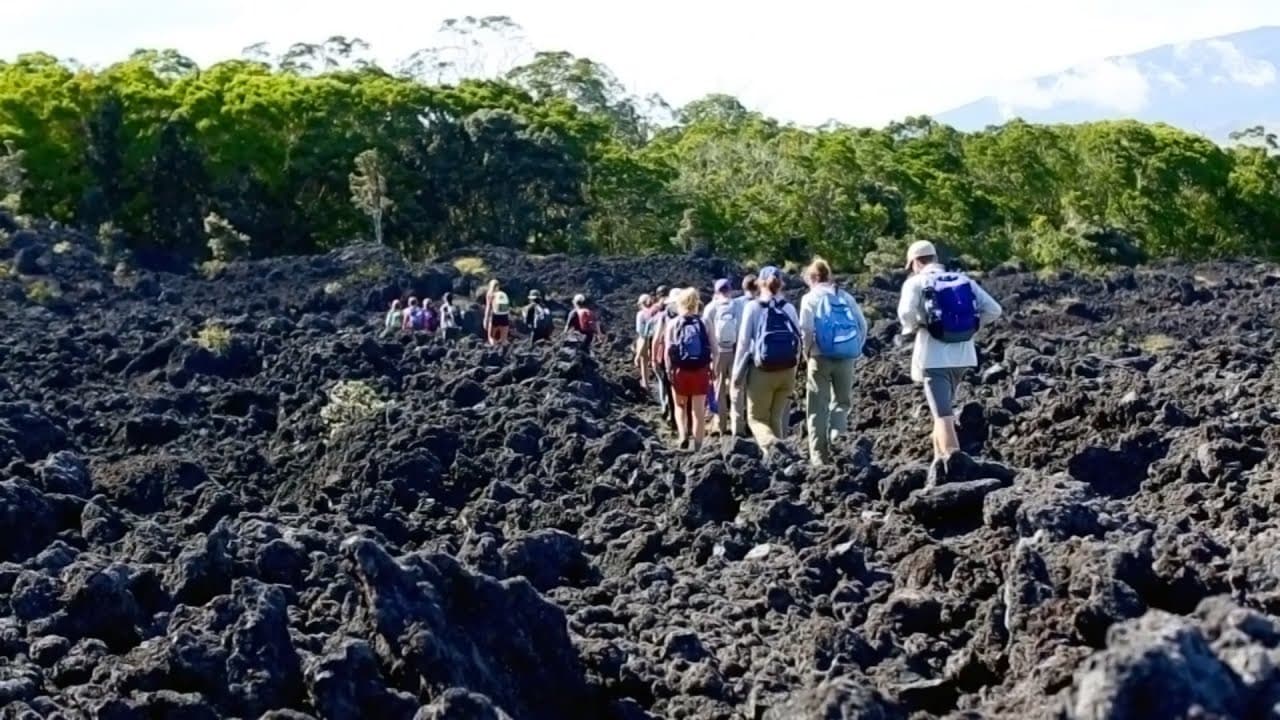
Stanford University offers a unique and transformative ten and a half week program that teaches students to think like scientists, work together as a team, and gain practical experience in data collection and analysis.
Transcript
[MUSIC] Stanford University. >> [CROSSTALK]. >> I think this experience is a really unique opportunity. There are not many times that you get to go out and actually really do the science that you're learning about in a classroom. It's a really great opportunity to be able to ask scientific questions for yourself, and to rediscover what, you know, h... Read More
Key Insights
- 😷 Stanford's experiential learning program provides students with a unique opportunity to engage in scientific fieldwork and ask their own questions.
- 🤔 The program emphasizes thinking like a scientist, encourages multiple perspectives, and highlights the interconnectedness of different disciplines.
- 👨🔬 Field research analysis helps students refine their techniques, understand the practical aspects of data collection, and shape their perspectives for future research.
- 💪 Participating in the program can be a life-changing experience, providing students with a strong sense of personal growth and a deeper understanding of their capabilities as a group.
- 🤔 Students not only learn about the subjects but also develop important skills such as teamwork, problem-solving, critical thinking, and storytelling.
- 👻 Experiential learning allows for a more profound and memorable understanding of the concepts taught, beyond mere memorization.
- 🍝 The program is highly regarded by past participants, who consider it one of the most important courses they have taken at Stanford University.
Install to Summarize YouTube Videos and Get Transcripts
Explore YouTube Video Summarizer or Get YouTube Transcript Extractor
Questions & Answers
Q: What is the main benefit of participating in the experiential learning program at Stanford?
The program offers a unique opportunity for students to actively engage in scientific fieldwork, allowing them to ask their own scientific questions, gain practical experience in data collection and analysis, and develop critical thinking and problem-solving skills.
Q: What subjects are covered in the program?
The program covers ecology, earth sciences, and human societies, providing students with a comprehensive understanding of how different disciplines intersect and inform each other.
Q: How does the program help students become better scientists?
By conducting field research and analyzing data, students gain a better understanding of the types of questions to ask, learn which data is easy or difficult to gather, and develop approaches that are sustainable for scientific research.
Q: How does the program enhance students' learning experience compared to traditional classroom-based education?
The program offers experiential learning, allowing students to develop a physical connection to the concepts taught in the classroom. This hands-on experience deepens their understanding and helps them visualize abstract concepts, making the learning process more memorable and impactful.
Summary & Key Takeaways
-
Students in the program have the opportunity to go out and engage in scientific fieldwork, asking their own questions and rediscovering concepts learned in the classroom.
-
The course covers ecology, earth sciences, and human societies, encouraging students to think from multiple perspectives and understand how different disciplines inform each other.
-
Field research analysis helps shape students' perspectives and enables them to refine their techniques for data collection and problem-solving.
Read in Other Languages (beta)
Share This Summary 📚
Summarize YouTube Videos and Get Video Transcripts with 1-Click
Try YouTube Summary with ChatGPT & Claude or YouTube Transcript Generator
Explore More Summaries from Stanford 📚


Summarize YouTube Videos and Get Video Transcripts with 1-Click
Try YouTube Summary with ChatGPT & Claude or YouTube Transcript Generator