How I'm Becoming Athletic With Words
TL;DR
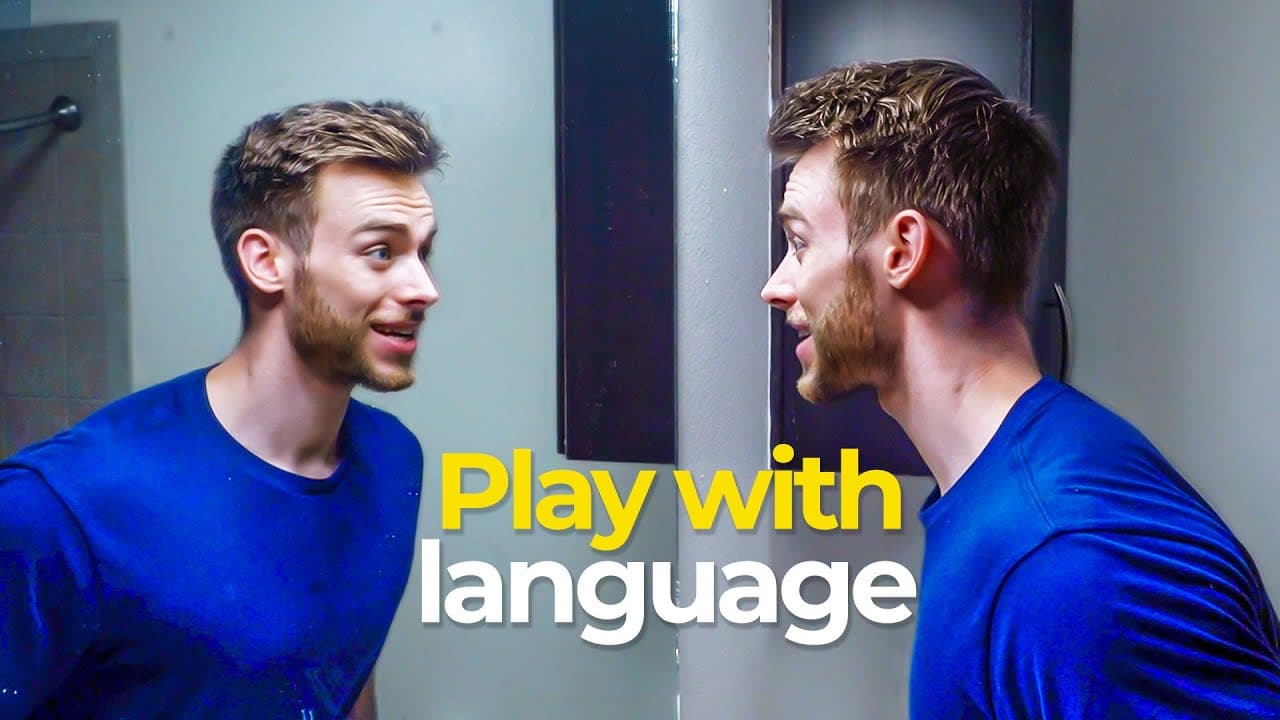
Learn three techniques - alliteration, metaphor, and incorporating classical expressions - to make your language more engaging and captivating.
Transcript
we're gonna take one of my real conversations and learn how we can make the language more athletic and artistic using three techniques that every articulate speaker understands here's a brief sample of the conversation did you finish the book you were reading I did on the flight home I had an interesting thought that I was pursuing inspired by the ... Read More
Key Insights
- 👟 Language can be made more athletic and artistic by incorporating techniques like alliteration, metaphor, and classical expressions.
- 💐 Alliteration adds rhythm and flavor to sentences, creating a pleasant flow of words.
- 💡 Metaphors bring visual depth and familiarity to ideas, making communication more captivating.
- 🏛️ Classical expressions give language an aesthetic of class and curiosity, instantly improving verbal artistry.
- ⚓ Improving verbal athleticism requires practice, commitment to memory, and the exploration of anchor words and related characteristics for alliteration and metaphor.
- 💡 These techniques should not be seen as excuses for redundancy; they should be used to capture different angles of an idea.
- 🦻 Verbal artistry is a continuous learning process, and there are tools available, like the software mentioned, to aid in strengthening language skills.
Install to Summarize YouTube Videos and Get Transcripts
Explore YouTube Video Summarizer or Get YouTube Transcript Extractor
Questions & Answers
Q: What is alliteration and how does it add rhythm to sentences?
Alliteration is the repetition of consonant sounds in closely associated words. It creates a rhythmic flow in sentences and adds a poetic touch to language. Speakers study alliterative phrases and commit them to memory to effortlessly incorporate them into their sentences.
Q: How can metaphors enhance communication?
Metaphors compare an ordinary idea with something else, bringing visual qualities to language. By associating characteristics of an idea with related words, metaphors add depth and excitement to communication. They require agility and creativity instead of relying on memorized phrases.
Q: What are classical expressions and how do they improve language?
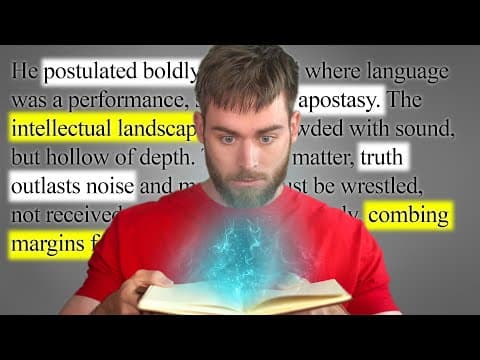
Classical expressions, like "perhaps" and "vast," give communication an aesthetic of class and curiosity. These words and phrases have been commonly used by articulate speakers over the past 50 years. Their incorporation into vocabulary instantly enhances the quality and appeal of language.
Q: How can one improve verbal athleticism with language?
Improving verbal athleticism involves practicing techniques like alliteration and metaphor. By committing alliterative phrases to memory, identifying anchor words for alliteration, and exploring metaphors through characteristics and related words, one can cultivate a more engaging and captivating speaking style.
Key Insights:
- Language can be made more athletic and artistic by incorporating techniques like alliteration, metaphor, and classical expressions.
- Alliteration adds rhythm and flavor to sentences, creating a pleasant flow of words.
- Metaphors bring visual depth and familiarity to ideas, making communication more captivating.
- Classical expressions give language an aesthetic of class and curiosity, instantly improving verbal artistry.
- Improving verbal athleticism requires practice, commitment to memory, and the exploration of anchor words and related characteristics for alliteration and metaphor.
- These techniques should not be seen as excuses for redundancy; they should be used to capture different angles of an idea.
- Verbal artistry is a continuous learning process, and there are tools available, like the software mentioned, to aid in strengthening language skills.
- Incorporating these techniques into language can make communication more precise, orderly, and articulate.
Summary & Key Takeaways
-
The video explores three techniques for improving verbal artistry: alliteration, metaphor, and the use of classical expressions.
-
Alliteration is the repetition of consonant sounds in closely associated words, creating rhythm and adding flavor to sentences.
-
Metaphors compare ordinary ideas with something else, infusing depth and familiarity into language.
-
Classical expressions, such as "perhaps" and "vast," give communication an aesthetic of class and curiosity.
Read in Other Languages (beta)
Share This Summary 📚
Summarize YouTube Videos and Get Video Transcripts with 1-Click
Try YouTube Summary with ChatGPT & Claude or YouTube Transcript Generator
Explore More Summaries from Joseph Tsar 📚

Summarize YouTube Videos and Get Video Transcripts with 1-Click
Try YouTube Summary with ChatGPT & Claude or YouTube Transcript Generator