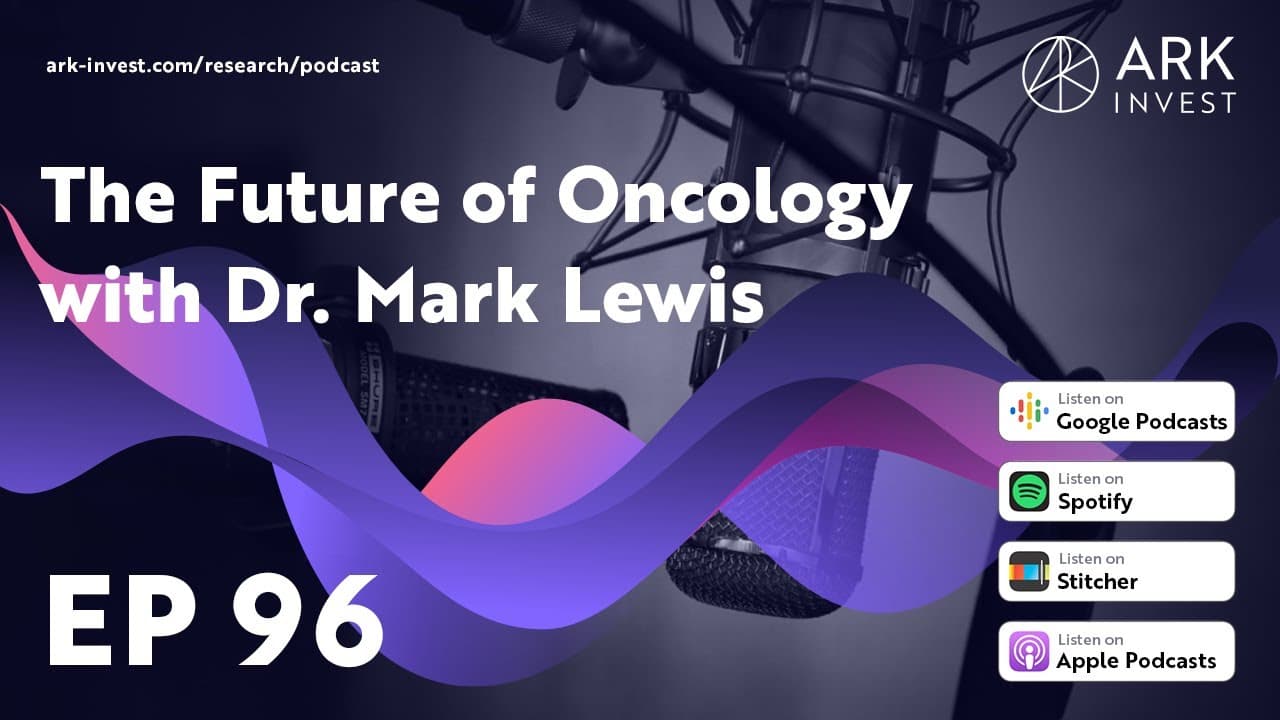
The Future of Oncology with Dr. Mark Lewis
TL;DR
Dr. Mark Lewis shares his personal experience with cancer predisposition, discusses the challenges of early diagnosis, and explores the potential of AI in improving screening and treatment.
Transcript
welcome to fyi the four-year innovation podcast this show offers an intellectual discussion on technologically enabled disruption because investing in innovation starts with understanding it to learn more visit arc dash invest dot com arc invest is a registered investment advisor focused on investing in disruptive innovation this podcast is for inf... Read More
Key Insights
- 😷 Personal experiences and family history can shape medical careers and guide empathetic patient care.
- 😀 Genetic testing for cancer predisposition faces challenges in timely diagnosis and interpretation.
- 🏛️ Clear communication about the limitations and benefits of genetic tests is essential for building trust and informed decision-making.
- 😌 The future of cancer screening lies in a combination of genomic information, traditional screening tests, and improved data infrastructure.
- 🪡 The ethical and psychological implications of widespread genetic testing and AI-driven healthcare need careful consideration.
- 😨 The role of oncologists in patient care extends beyond data processing, emphasizing the need for human interaction and empathy.
- 😷 AI has the potential to improve cancer screening and treatment decisions, but the expertise and judgment of medical professionals are still crucial.
Install to Summarize YouTube Videos and Get Transcripts
Explore YouTube Video Summarizer or Get YouTube Transcript Extractor
Questions & Answers
Q: How did Dr. Lewis become aware of his hereditary cancer predisposition?
Dr. Lewis discovered his hereditary cancer predisposition when he experienced abdominal pain during the first day of his oncology fellowship and found out he had high calcium, similar to his father's condition.
Q: What are the challenges of diagnosing hereditary cancer predisposition?
The challenges of diagnosing hereditary cancer predisposition lie in the rarity of the conditions and the need for detailed family history, which may be overlooked in urgent care or primary care settings.
Q: How can we overcome the hesitation and mistrust surrounding genetic testing?
Dr. Lewis believes that being candid with patients about the limitations and benefits of genetic tests is crucial. He also emphasizes the need for clear communication and understanding of sensitivity, specificity, and predictive values.
Q: What are the critical insights for the future of cancer screening and diagnosis?
- Collaboration and interoperability of electronic medical records are important for effective data processing and patient care.
- Balancing the benefits and psychological harm of screening tests is crucial.
- The combination of genomic information and traditional screening tests holds promise for early cancer detection.
- The role of AI in healthcare should complement, not replace, the human element in patient care.
Summary & Key Takeaways
-
Dr. Mark Lewis shares his personal journey with hereditary cancer predisposition and how it shaped his career as an oncologist.
-
He discusses the importance of early diagnosis in cancer and the challenges of identifying genetic predisposition.
-
Dr. Lewis emphasizes the need for candid and clear communication with patients about the limitations and benefits of genetic tests.
-
The conversation explores the potential of AI in improving cancer screening and treatment decisions, while also highlighting the importance of human interaction and medical expertise.
Read in Other Languages (beta)
Share This Summary 📚
Summarize YouTube Videos and Get Video Transcripts with 1-Click
Try YouTube Summary with ChatGPT & Claude or YouTube Transcript Generator
Explore More Summaries from ARK Invest 📚




Summarize YouTube Videos and Get Video Transcripts with 1-Click
Try YouTube Summary with ChatGPT & Claude or YouTube Transcript Generator