Metalanguage for teaching translation and interpreting

TL;DR
This content explains the different terms used in teaching translation and interpreting, including the roles of teachers and students, types of teaching, and teaching approaches.
Transcript
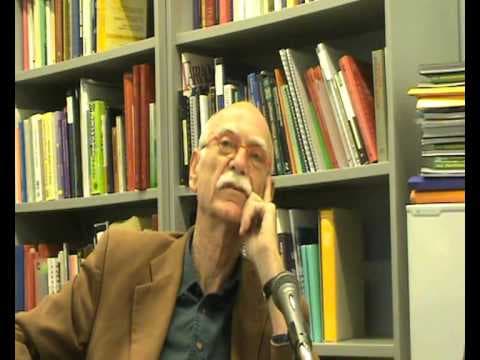
I want to look at some of the basic terms that we use when we talk about teaching and about the teaching of translation and interpreting specifically. So consider this: What am I called? Am I a teacher, a professor, an instructor, a facilitator, a coordinator. All of those terms can be found in the literature. And there are subtle differences betwe... Read More
Key Insights
- 🧑🏫 There are various terms used in teaching translation and interpreting, each with subtle differences in meaning and connotation.
- 🖐️ Power and economic relationships play a role in how teachers and students are referred to, with terms like participants highlighting a more inclusive and collaborative approach.
- 💦 Teaching translation and interpreting involves different strategies and activities, such as group work, tandem work, and project work.
- 😀 Different types of teaching, including face-to-face and distance teaching, as well as e-learning and blended learning, offer flexibility and varying levels of interaction.
- 🧡 Teaching approaches can range from transmissionist (teacher-centered) to constructivist (student-centered), with the latter emphasizing active learning and knowledge construction.
- 🏛️ The flipped classroom model, where transmissionist content is delivered online and class time is dedicated to problem-solving activities, is an effective teaching approach.
- 🍉 The terms used in teaching, such as lesson, subject, and course, can vary in their definitions and usage, causing confusion.
Install to Summarize YouTube Videos and Get Transcripts
Explore YouTube Video Summarizer or Get YouTube Transcript Extractor
Questions & Answers
Q: What is the difference between a teacher and a professor?
In English-speaking countries like the United States, the term "professor" is used more liberally when someone is teaching. In Australian and British English, a "professor" is an academic rank while "teacher" is a more general term for someone imparting knowledge.
Q: How does the term "facilitator" differ from other teaching terms?
A facilitator helps students engage in activities and gather information to learn. It carries a more loaded term and aligns with a specific teaching style focused on constructivism.
Q: What is the difference between translator training and translator education?
Translator training refers to preparing someone to enter a profession by providing vocational skills. Translator education, on the other hand, focuses on imparting general skills and knowledge that can be applied in various professional contexts.
Q: What is the distinction between face-to-face and distance teaching?
Face-to-face teaching refers to synchronous teaching in the same physical space, while distance teaching can be either synchronous or asynchronous, meaning it can be done at different times and not in the same place.
Summary & Key Takeaways
-
The content explores various terms used in teaching translation and interpreting, such as teacher, professor, instructor, facilitator, and coordinator.
-
It discusses the differences between terms like students, learners, and participants, highlighting power and economic relationships.
-
The author explains the distinction between teaching translation, translator training, and translator education, and also touches on the types of teaching (face-to-face and distance) and e-learning.
Read in Other Languages (beta)
Share This Summary 📚
Summarize YouTube Videos and Get Video Transcripts with 1-Click
Try YouTube Summary with ChatGPT & Claude or YouTube Transcript Generator
Explore More Summaries from Anthony Pym 📚

Summarize YouTube Videos and Get Video Transcripts with 1-Click
Try YouTube Summary with ChatGPT & Claude or YouTube Transcript Generator