An Iran Deal We Can Live With || Peter Zeihan
TL;DR
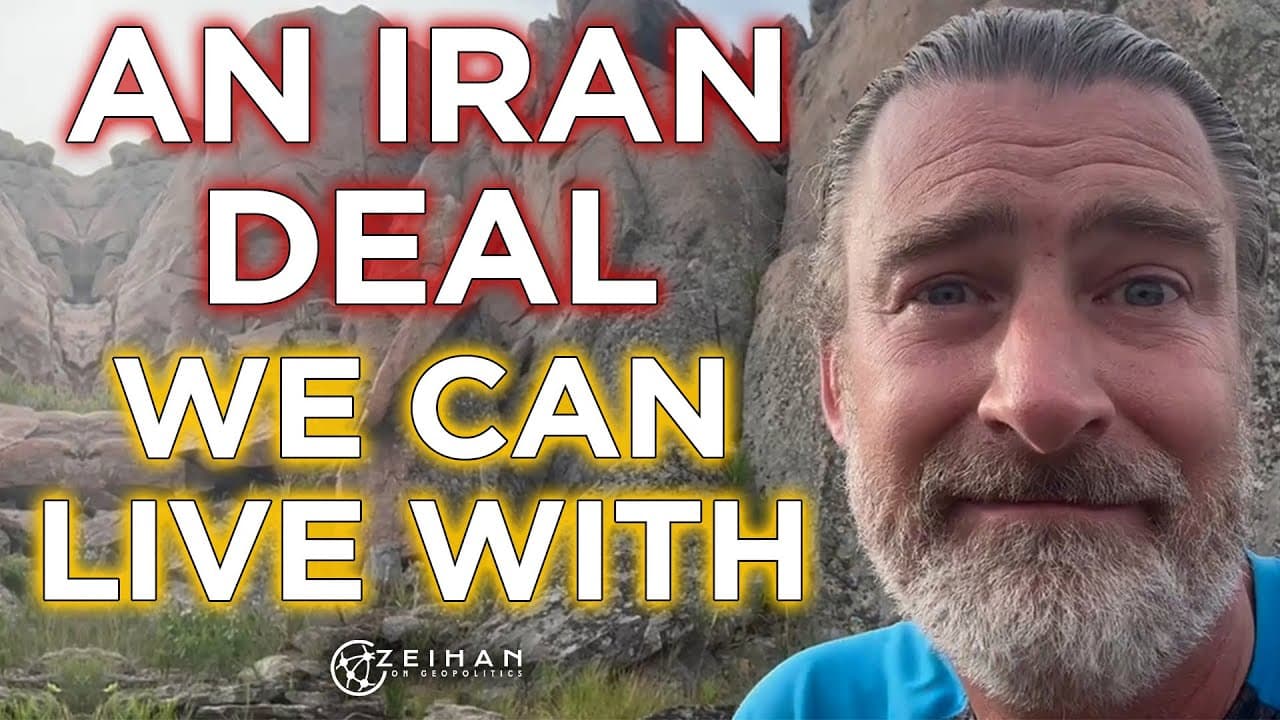
American prisoners unjustly detained in Iran are being released in exchange for the unfreezing of around $6 billion in assets held abroad. However, the deal is still fragile and has been negotiated indirectly through intermediaries.
Transcript
hey everybody Peterson here coming to you from Rocky Top in the Colorado Front Range Foothills uh today we're going to talk about that sexiest of topics Iran and what everybody is all up in arms about the news that came out over the last several days is that a number of American prisoners in Iran all of them unjustly detained have been released fro... Read More
Key Insights
- 🇦🇸 The deal involves the release of American prisoners in Iran and the unfreezing of $6 billion in frozen assets.
- 🇦🇸 The negotiations have been conducted indirectly, without direct communication between American and Iranian diplomats.
- 🇮🇷 The deal aims to address broader issues in the US-Iran relationship, such as Iran's support for militias attacking Saudi Arabia and American forces.
- 🤝 The success of the deal is not guaranteed, and there is opposition from both the Republican Party and conservative elements in Iran.
- ⚖️ The deal could contribute to a potential restoration of the regional balance of power in the Middle East.
- 😑 Benjamin Netanyahu, the prime minister of Israel, has expressed acceptance of the deal.
- 🚏 The provisional deal requires Iran to stop transferring funds to militias and spin down some of its enriched uranium.
Install to Summarize YouTube Videos and Get Transcripts
Explore YouTube Video Summarizer or Get YouTube Transcript Extractor
Questions & Answers
Q: What is the current status of the American prisoners held in Iran?
The American prisoners have been released from prison but are currently under house arrest awaiting their transfer back to the United States.
Q: What is the motive behind the Biden Administration's decision to release the frozen assets?
The release of frozen assets is part of a negotiation strategy to facilitate the prisoner release and potentially improve relations with Iran.
Q: Why is there opposition to the deal within the Republican Party and conservative elements of Iran?
Opposition stems from concerns about the potential release of funds to a country that has hostile activities and investments in militias attacking Saudi Arabia and American forces in the region.
Q: How have the negotiations been conducted between the US and Iran?
The negotiations have been conducted indirectly through intermediaries, including the Qatari, Swiss, British, and Omani diplomats. There have been no face-to-face conversations between American and Iranian diplomats.
Key Insights:
- The deal involves the release of American prisoners in Iran and the unfreezing of $6 billion in frozen assets.
- The negotiations have been conducted indirectly, without direct communication between American and Iranian diplomats.
- The deal aims to address broader issues in the US-Iran relationship, such as Iran's support for militias attacking Saudi Arabia and American forces.
- The success of the deal is not guaranteed, and there is opposition from both the Republican Party and conservative elements in Iran.
- The deal could contribute to a potential restoration of the regional balance of power in the Middle East.
- Benjamin Netanyahu, the prime minister of Israel, has expressed acceptance of the deal.
- The provisional deal requires Iran to stop transferring funds to militias and spin down some of its enriched uranium.
- The deal also involves the return of Iran to iaea inspections and allows Iran to sell crude oil abroad.
Summary & Key Takeaways
-
Several American prisoners unjustly detained in Iran have been released and are under house arrest pending their transfer back to the United States.
-
In exchange, the Biden Administration has promised to free around $6 billion of frozen assets held abroad, primarily in South Korea.
-
The negotiations have been conducted indirectly through intermediaries, with no direct face-to-face conversations between American and Iranian diplomats.
Read in Other Languages (beta)
Share This Summary 📚
Summarize YouTube Videos and Get Video Transcripts with 1-Click
Try YouTube Summary with ChatGPT & Claude or YouTube Transcript Generator
Explore More Summaries from Zeihan on Geopolitics 📚




Summarize YouTube Videos and Get Video Transcripts with 1-Click
Try YouTube Summary with ChatGPT & Claude or YouTube Transcript Generator