Forget Counting Steps. Quantifying Health Will Save Your Life. | Big Think
TL;DR
Wearable tech and data integration revolutionize healthcare, enhancing diagnostics and treatment options.
Transcript
One of the interesting things about healthcare today is the data is becoming unsiloed and increasingly accessible. So for example, I'm wearing right now a little patch from a company called Vital Connect underneath my shirt. It's talking to my smartphone live. And I can look at a dashboard of my data from my full on EKG, which will show up right he... Read More
Key Insights
- 🧑⚕️ Wearable technology like Vital Connect patches provides live health data monitoring for various health conditions.
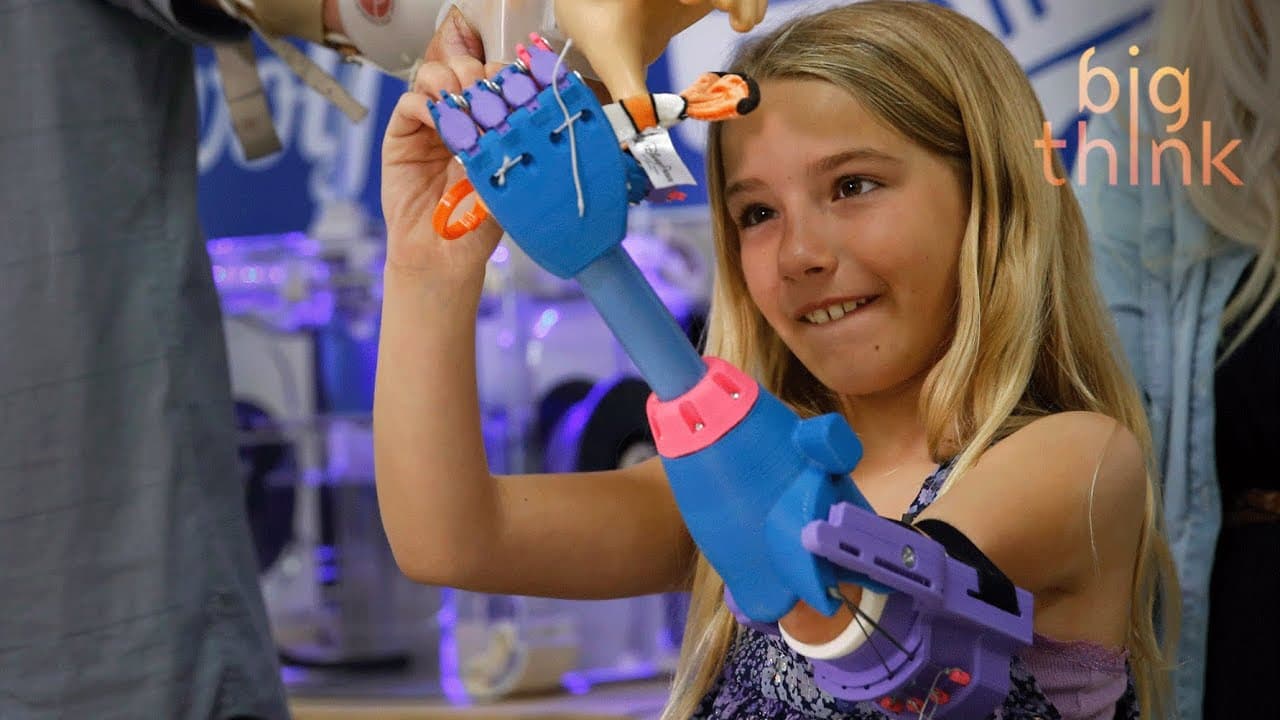
- 🥘 3-D printing allows for personalized prosthetics and tumor replicas, enhancing surgical outcomes.
- 🧠 Brain computer interfaces offer innovative solutions for mental health treatment and neurological disorders.
- 🧑⚕️ Data sharing can revolutionize healthcare by enabling collaborative efforts for improved public health outcomes.
- 👶 The microbiome's role in health suggests new treatments like fecal transplants for various diseases.
- 💊 Personalized medicine and telemedicine are empowering individuals to take control of their health with technology.
- ❓ The integration of technology in healthcare requires support from clinicians, payers, and regulatory bodies for widespread adoption.
Install to Summarize YouTube Videos and Get Transcripts
Explore YouTube Video Summarizer or Get YouTube Transcript Extractor
Questions & Answers
Q: How is wearable technology transforming healthcare monitoring?
Wearable devices like Vital Connect patches provide continuous and real-time health data monitoring, enabling individuals to track their EKG, stress levels, activity, and even detect falls or medical emergencies.
Q: What role does 3-D printing play in personalized medicine?
3-D printing technology allows for the creation of customized prosthetics, like limbs and facial parts, and even tumor replicas for precise surgical planning and personalized medical interventions.
Q: How can brain computer interfaces benefit mental health treatment?
Brain computer interfaces, like InteraXon's Muse, offer a non-invasive way to treat anxiety and other mental health conditions by quantifying mindfulness and meditation practices with a feedback loop for patients.
Q: How can data sharing revolutionize healthcare and research?
Data sharing, including wearable health data, genomics, and brainwaves, can enable collaborative efforts for better public health outcomes, such as early disease detection or crowd-sourced cures for complex conditions.
Summary & Key Takeaways
-
Wearable devices like Vital Connect patches offer real-time health monitoring for a range of conditions, from training to disease management.
-
3-D printing advances personalized medicine, enabling tailored prosthetics and tumor replicas for improved surgical outcomes.
-
Brain computer interfaces and apps provide innovative solutions for mental health conditions and physical disabilities.
Read in Other Languages (beta)
Share This Summary 📚
Summarize YouTube Videos and Get Video Transcripts with 1-Click
Try YouTube Summary with ChatGPT & Claude or YouTube Transcript Generator
Explore More Summaries from Big Think 📚




Summarize YouTube Videos and Get Video Transcripts with 1-Click
Try YouTube Summary with ChatGPT & Claude or YouTube Transcript Generator