Anton Kreil Annihilates Retail Brokers and "Trading Educators"
TL;DR
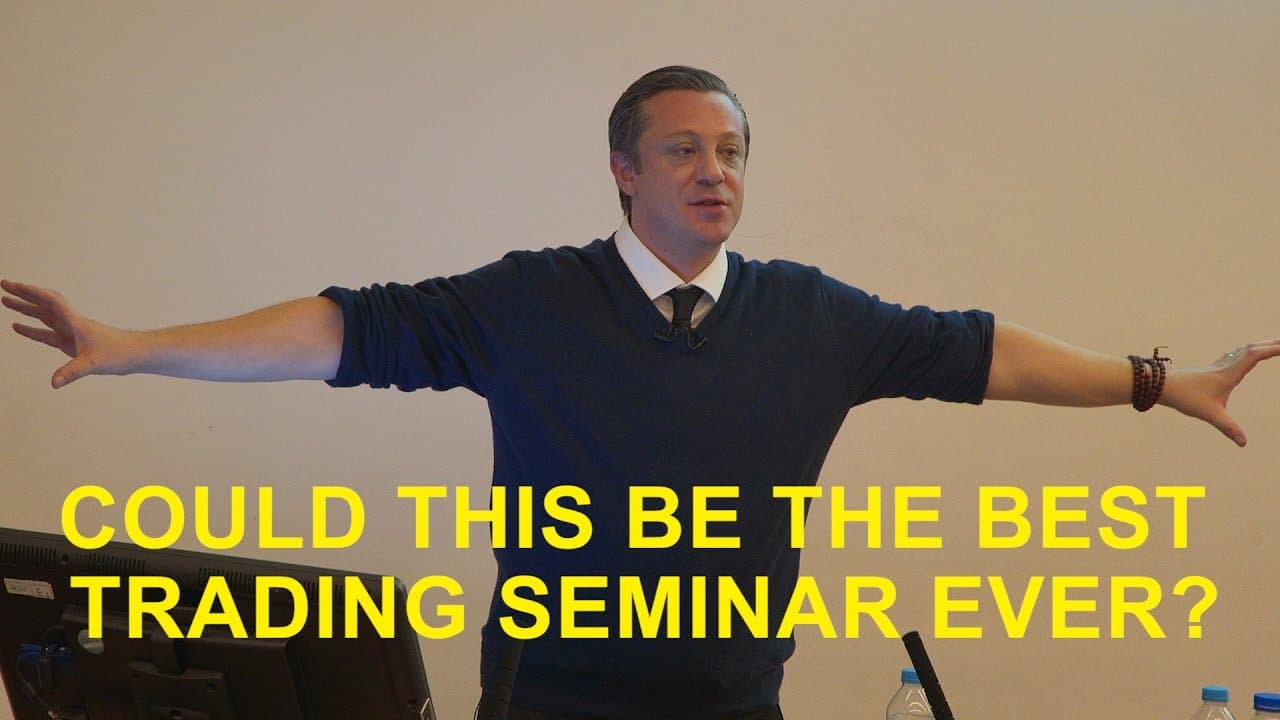
Anton Kreil exposes the harsh truths about retail trading.
Transcript
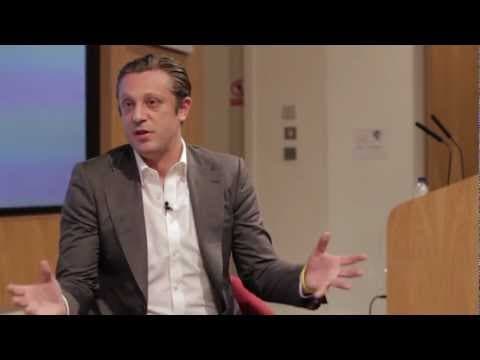
cheers so welcome everyone to this seminar hosted by The Institute of trading and portfolio management we're lucky enough to have Anton creel with us here today managing director of the company who's flown in from Singapore especially to give this presentation and it wasn't long ago that I was sitting there in your position ... Read More
Key Insights
- Retail traders are often at a disadvantage due to the informational advantage held by professional traders, leading to a high failure rate among retail participants.
- The financial infrastructure, including brokers and educators, is designed to profit from retail traders through conflicts of interest and misleading narratives.
- Retail brokers are incentivized by volume and frequency of trades, often leading them to promote strategies that benefit the broker rather than the trader.
- Professional traders focus on systematic, long-short portfolio management across multiple asset classes, unlike retail traders who often focus on short-term, high-risk trades.
- The majority of options contracts in the US expire worthless, and retail traders often misunderstand the complexities of options trading.
- Introducing broker agreements create conflicts of interest, as educators are incentivized to encourage frequent trading, which benefits the broker.
- Many trading educators lack professional trading experience and create false narratives to attract retail traders, often resulting in financial losses for the traders.
- Retail traders can succeed by emulating professional trading strategies, focusing on risk-adjusted returns and avoiding common pitfalls promoted by the industry.
Install to Summarize YouTube Videos and Get Transcripts
Explore YouTube Video Summarizer or Get YouTube Transcript Extractor
Questions & Answers
Q: What are the main disadvantages faced by retail traders?
Retail traders are often at a disadvantage due to the informational advantage held by professional traders. The financial infrastructure, including brokers and educators, is designed to profit from retail traders through conflicts of interest and misleading narratives. This results in a high failure rate among retail participants.
Q: How do professional traders differ from retail traders in their approach?
Professional traders focus on systematic, long-short portfolio management across multiple asset classes, aiming for risk-adjusted returns. They avoid narrow definitions and adapt to market conditions. In contrast, retail traders often focus on short-term, high-risk trades, influenced by misleading narratives and lacking a comprehensive understanding of market dynamics.
Q: What role do introducing broker agreements play in the retail trading industry?
Introducing broker agreements create conflicts of interest, as educators are incentivized to encourage frequent trading, which benefits the broker. These agreements often lead to retail traders being misled into adopting strategies that prioritize volume and frequency, ultimately benefiting the broker rather than the trader.
Q: Why do the majority of options contracts in the US expire worthless?
The majority of options contracts in the US expire worthless because retail traders often misunderstand the complexities of options trading. They fail to account for factors like time decay and volatility, leading to poor trading decisions. Additionally, options require traders to be correct within a specific timeframe, adding another layer of complexity.
Q: How can retail traders succeed in the financial markets?
Retail traders can succeed by emulating professional trading strategies, focusing on risk-adjusted returns, and avoiding common pitfalls promoted by the industry. This involves systematic portfolio management, understanding market dynamics, and being wary of misleading narratives and conflicts of interest within the financial infrastructure.
Q: What are some common red flags of charlatan trading educators?
Charlatan trading educators often lack professional trading experience and create false narratives to attract retail traders. Red flags include promoting day trading as always profitable, claiming to make a consistent monthly income, and emphasizing lifestyle over trading skills. They may also engage in deceptive practices like hindsight trading and using sock puppets to create false credibility.
Q: What is the impact of financial market volatility on trading strategies?
Volatility is crucial for traders as it provides both risk and opportunity. Without volatility, there is limited potential for profit. Professional traders adapt their strategies based on market conditions, while retail traders often fail to correctly assess volatility, leading to poor trading decisions and financial losses.
Q: What is the 'inversion narrative' in the context of retail trading?
The 'inversion narrative' refers to the misleading information and strategies promoted to retail traders that are contrary to reality. This narrative is designed to benefit brokers and educators by encouraging trading behaviors that lead to financial losses for retail traders. It includes promoting short-term trading, technical analysis, and unrealistic profit expectations.
Summary & Key Takeaways
-
Anton Kreil reveals the structural disadvantages faced by retail traders, emphasizing the informational advantage held by professional traders. He highlights the conflicts of interest within the financial infrastructure, including brokers and educators, that lead to high failure rates among retail traders.
-
The presentation outlines the differences between professional and retail trading strategies, noting that professional traders employ systematic, long-short portfolio management across multiple asset classes. In contrast, retail traders often engage in short-term, high-risk trades, influenced by misleading narratives.
-
Kreil discusses the prevalence of introducing broker agreements and their impact on retail traders, as educators are incentivized to promote frequent trading. He stresses the importance of retail traders emulating professional strategies to achieve consistent profitability and avoid common industry traps.
Read in Other Languages (beta)
Share This Summary 📚
Summarize YouTube Videos and Get Video Transcripts with 1-Click
Try YouTube Summary with ChatGPT & Claude or YouTube Transcript Generator
Explore More Summaries from InstituteofTrading 📚


Summarize YouTube Videos and Get Video Transcripts with 1-Click
Try YouTube Summary with ChatGPT & Claude or YouTube Transcript Generator