The Future of Cyberwarfare | Origins: The Journey of Humankind
TL;DR
Cyberwarfare poses a grave threat to national security, as demonstrated by the Stuxnet virus's real-world impact.
Transcript
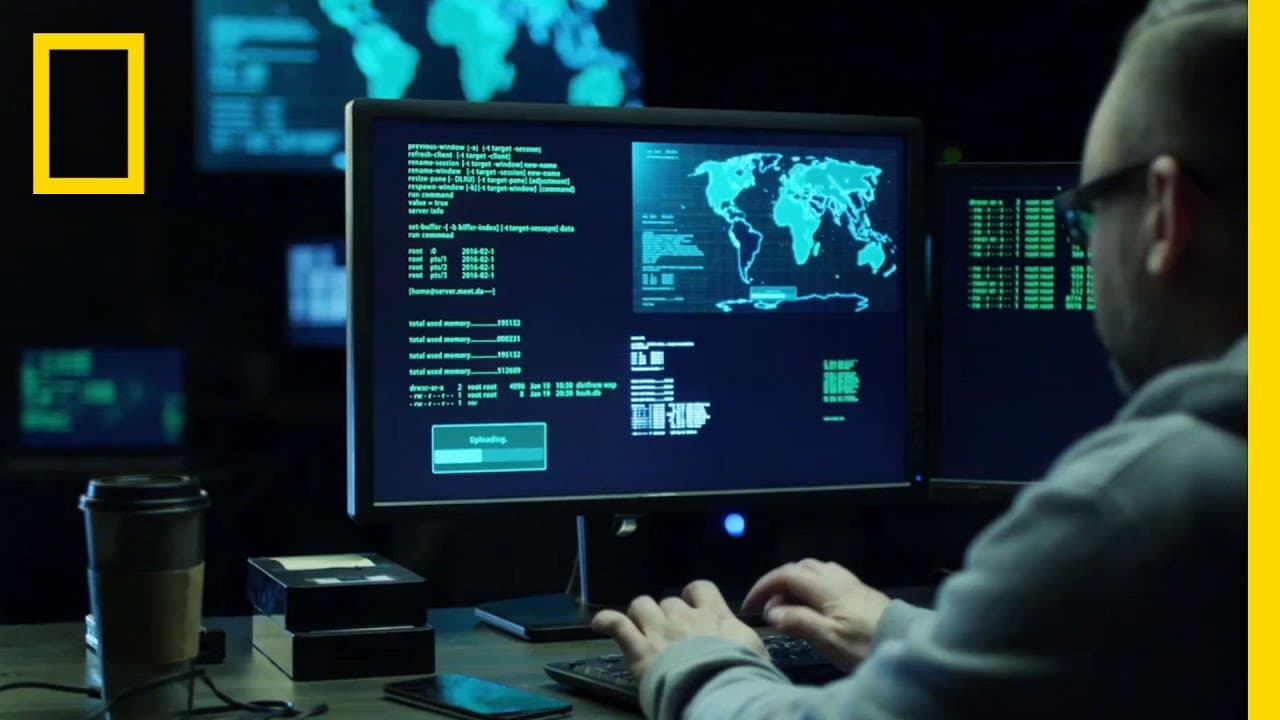
NARRATOR: September 11, 2001, terror strikes set the tone for warfare in the 21st century. But the 21st century has also seen the rise of another kind of warfare-- warfare that lets nations and loners do battle without guns or bombs. These days, the biggest threat we face may be a rogue actor with a laptop and a desire to wreak havoc. Cyberwarfare ... Read More
Key Insights
- 🌍 Cyberwarfare poses a significant threat to national security by enabling easy access to powerful tools that can disrupt critical infrastructure.
- 🌱 The Stuxnet virus showcased the potential for cyber weapons to cause real-world damage by targeting sensitive facilities like nuclear plants.
- 🌐 The low cost and accessibility of cyber weapons make them appealing to nations seeking to assert power and influence on the global stage.
- 🥺 Disabling a country's critical infrastructure through cyber-attacks could lead to chaos, panic, and economic collapse.
- 💀 The ability to blind and paralyze a nation's military through cyber-attacks underscores the immense power and danger of cyberwarfare.
- 👊 Detecting and targeting the computer systems and operators behind cyber-attacks is crucial in defending against and deterring future cyber threats.
- 🤩 The interconnected nature of modern society makes it vulnerable to widespread disruption through cyber-attacks on key systems like power grids and financial networks.
Install to Summarize YouTube Videos and Get Transcripts
Explore YouTube Video Summarizer or Get YouTube Transcript Extractor
Questions & Answers
Q: What is cyberwarfare, and why is it a growing concern?
Cyberwarfare involves using technology to target and disrupt a nation's infrastructure, posing a serious threat due to its potential for real-world damage and low cost of development.
Q: How did the Stuxnet virus impact Iran's nuclear facility?
Stuxnet infiltrated via USB keys, targeting Iran's uranium enrichment plant in Natanz, showcasing how cyber weapons can breach secure facilities and cause physical harm.
Q: What are the implications of a successful cyber-attack on critical infrastructure?
A cyber-attack could disable power grids, financial systems, and military operations, leading to mass panic, economic turmoil, and military incapacitation.
Q: Why is cyberwarfare considered a game-changer in modern conflict?
Cyberwarfare can disrupt vital systems without traditional military force, offering nations a cheap and effective way to cripple adversaries' infrastructure and capabilities.
Summary & Key Takeaways
-
September 11 set the stage for modern warfare, but cyberwarfare emerges as a significant threat.
-
Stuxnet, a computer virus, targeted Iran's nuclear weapons plant, causing real-world damage.
-
The low barrier to entry in cyberwarfare enables nations to develop potent cyber weapons easily.
Read in Other Languages (beta)
Share This Summary 📚
Summarize YouTube Videos and Get Video Transcripts with 1-Click
Try YouTube Summary with ChatGPT & Claude or YouTube Transcript Generator
Explore More Summaries from National Geographic 📚






Summarize YouTube Videos and Get Video Transcripts with 1-Click
Try YouTube Summary with ChatGPT & Claude or YouTube Transcript Generator