The Pros & Cons of Training on Unstable Surfaces
TL;DR
Unstable surfaces have specific benefits but shouldn't replace traditional training.
Transcript
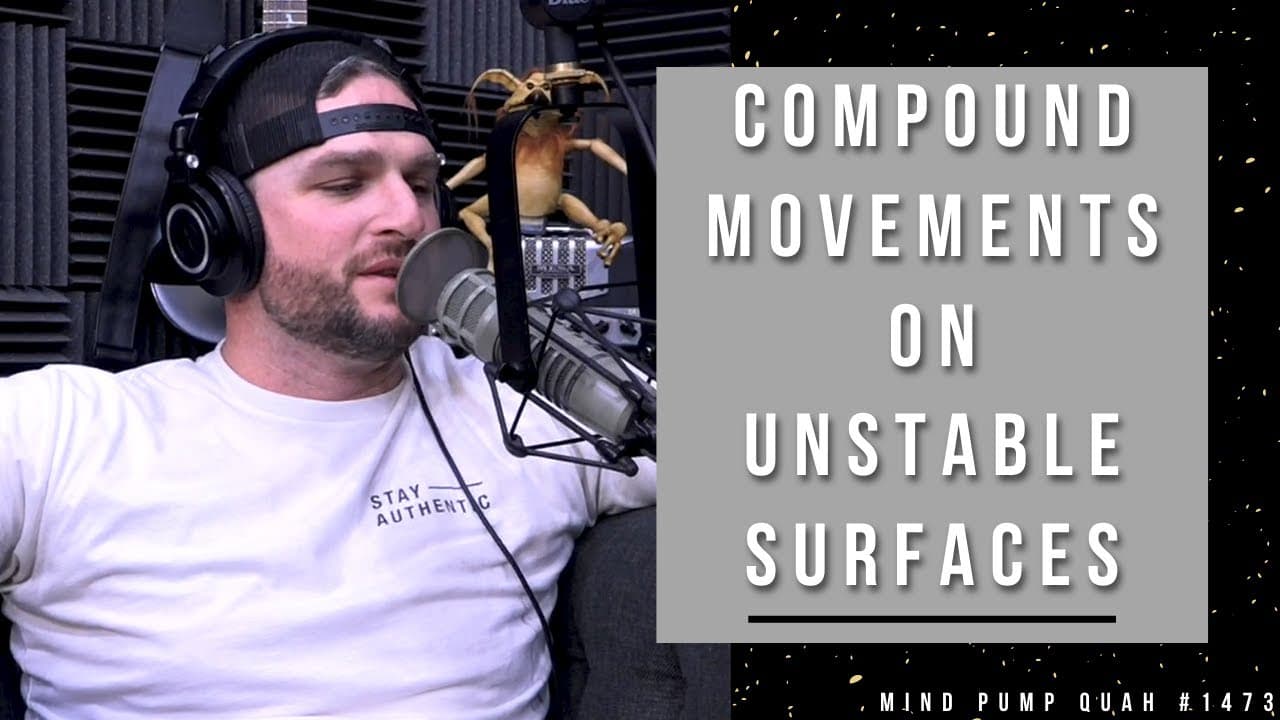
next question is from body by hk what do you think of trainers using unstable surfaces to train compound movements for example barbell back squat or on wobble pillows or a bosu ball so when when these unstable surfaces i remember specifically because i've been in fitness long enough to remember these being introduced into into fitness so when i fir... Read More
Key Insights
- Unstable surfaces can enhance balance and core activation, making them valuable for specific training needs but not a replacement for traditional exercises.
- The introduction of unstable surfaces in fitness gained traction due to certain certifications, leading to their widespread use in various exercises.
- While unstable surfaces offer unique benefits, their value is specific and should not replace foundational exercises like heavy, stable lifts.
- Trainers should be cautious about judging others' methods, as specific training goals may justify unconventional exercises on unstable surfaces.
- The physio ball is highlighted as a versatile and useful tool for beginners, offering benefits in teaching proper form and stabilization.
- Unilateral training, involving one limb at a time, is emphasized for its stability benefits, potentially negating the need for unstable tools.
- Understanding the athlete's specific needs and goals is crucial, as unconventional methods may be tailored to individual performance improvements.
- Trainers should focus on the client’s specific sport or goal, ensuring exercises align with desired outcomes rather than following trends blindly.
Install to Summarize YouTube Videos and Get Transcripts
Explore YouTube Video Summarizer or Get YouTube Transcript Extractor
Questions & Answers
Q: What are the benefits of using unstable surfaces in training?
Unstable surfaces can enhance balance, core activation, and posture by slowing down movements and recruiting muscles differently. They are particularly beneficial for improving stability and balance, which can be crucial for athletes in specific sports. However, their benefits are specific and should not replace traditional strength exercises.
Q: Why did unstable surfaces become popular in fitness training?
Unstable surfaces gained popularity due to certain fitness certifications promoting their benefits, which led to their widespread adoption in various exercises. This trend saw many trainers incorporating them into routines, sometimes excessively, under the belief that they enhance exercise effectiveness across the board.
Q: Should unstable surfaces replace traditional exercises?
No, unstable surfaces should not replace traditional exercises. They offer specific benefits but are not a substitute for foundational exercises like heavy, stable lifts that build comprehensive strength and stability. Their use should be supplementary and tailored to individual training needs and goals.
Q: How should trainers approach judging others' use of unstable surfaces?
Trainers should be cautious about judging others' methods, as exercises on unstable surfaces may be specifically tailored to an individual's training goals. Without understanding the specific needs and desired outcomes of the client, it's unfair to critique the use of unconventional training methods.
Q: What is the role of the physio ball in training?
The physio ball is a versatile tool beneficial for beginners. It helps teach proper form, activate muscles correctly, and stabilize the body, making it a valuable component of foundational training. It serves as a bridge to more traditional lifts, providing a gradual progression in difficulty and complexity.
Q: What is unilateral training and its benefits?
Unilateral training involves exercising one limb at a time, which enhances stability and balance by requiring the body to stabilize major joints independently. This type of training can provide significant stability benefits, potentially reducing the need for unstable tools and offering a more natural progression in strength training.
Q: How should trainers tailor exercises to athlete needs?
Trainers should focus on understanding the athlete's specific sport, goals, and performance needs. Exercises should be tailored to enhance these aspects, even if they involve unconventional methods. The key is aligning training methods with desired outcomes rather than following trends without consideration of individual needs.
Q: What caution should trainers take with new fitness trends?
Trainers should avoid blindly adopting new fitness trends without understanding their specific benefits and applicability. It's important to critically evaluate how a trend aligns with the client's goals and needs, ensuring that exercises contribute positively to the desired training outcomes rather than detracting from foundational strength and stability.
Summary & Key Takeaways
-
Unstable surfaces like Bosu balls and physio balls can provide specific training benefits, particularly in improving balance and core activation. However, they should not replace traditional exercises that form the foundation of strength training. Their use should be tailored to individual training goals and needs.
-
The rise of unstable surfaces in fitness was initially driven by certain certifications, leading to their widespread adoption. While they offer unique benefits, trainers should avoid over-relying on them and instead focus on the foundational exercises that provide comprehensive strength and stability.
-
Trainers should be cautious about judging others' training methods, as unconventional exercises may be aligned with specific goals. Understanding the athlete's needs and goals is crucial, and exercises should be tailored to enhance performance, even if they appear unconventional to outsiders.
Read in Other Languages (beta)
Share This Summary 📚
Summarize YouTube Videos and Get Video Transcripts with 1-Click
Try YouTube Summary with ChatGPT & Claude or YouTube Transcript Generator
Explore More Summaries from Mind Pump Show 📚




Summarize YouTube Videos and Get Video Transcripts with 1-Click
Try YouTube Summary with ChatGPT & Claude or YouTube Transcript Generator