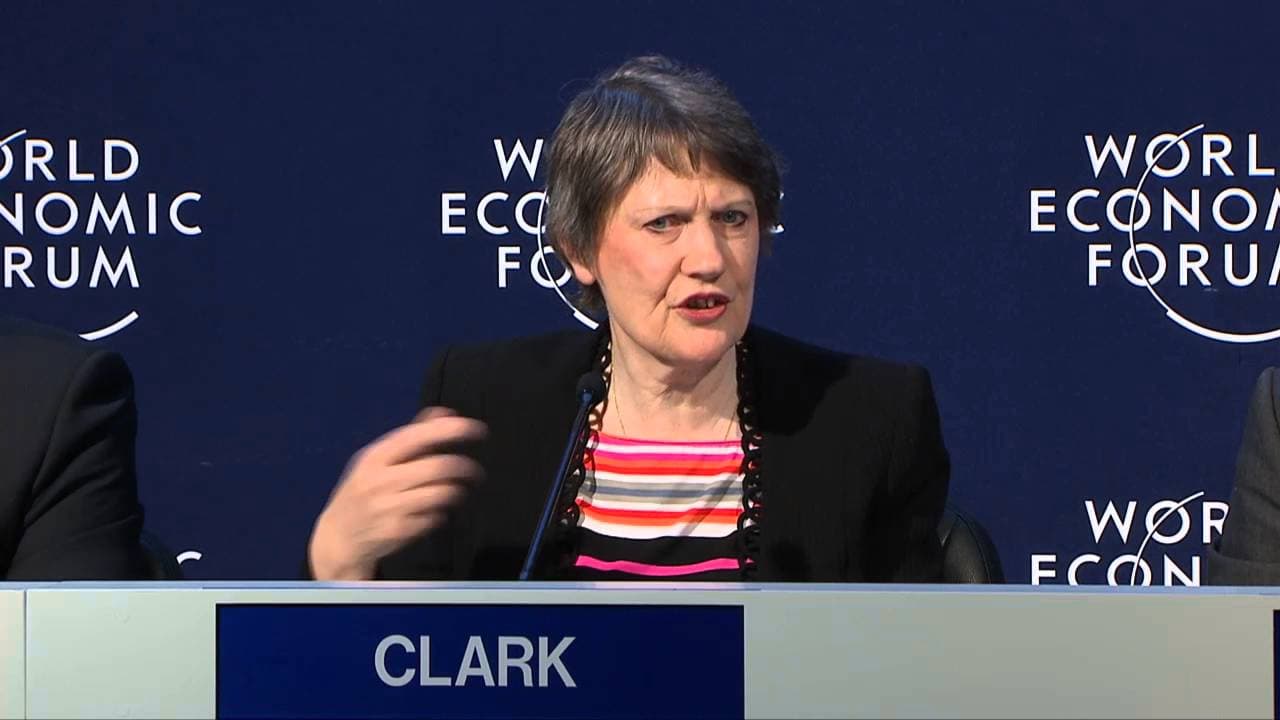
Davos 2016 - Press Conference: “The Humanitarian – Development Nexus: Can Relief Build the ...
TL;DR
Panel discusses the integration of relief and development efforts to address global crises effectively.
Transcript
good morning everyone and welcome to the first press conference on the third day of the annual meeting of the World Economic Forum in Davos 2016 thank you for joining us here in the room and also on the livestream you're joining the press conference that is asking the question can relief build the foundations for a more resilient future and we have... Read More
Key Insights
- 🍉 Relief and development efforts need to be integrated to address the root causes of crises and promote long-term solutions.
- 🏛️ Collaboration between humanitarian, development, and private sectors is crucial for effective crisis response and resilience-building.
- 🏛️ Building local capacity and promoting civic engagement are essential for sustainable development and effective humanitarian response.
- 🖐️ Businesses have a role to play in supporting relief and development initiatives through transparent governance and investment in resilience.
- 🖤 Political complexities, trust deficits, and a lack of coordination pose challenges to bridging relief and development efforts.
- ♻️ An enabling environment for civil society is necessary to support local resilience and effective crisis response.
- ✳️ A shift towards risk-informed development planning and disaster risk reduction is vital for addressing protracted crises and promoting long-term stability.
Install to Summarize YouTube Videos and Get Transcripts
Explore YouTube Video Summarizer or Get YouTube Transcript Extractor
Questions & Answers
Q: Why is integrating relief and development efforts crucial for addressing global crises?
Integrating relief and development is essential because it moves beyond immediate aid to sustainable solutions, building resilience and promoting long-term stability in crisis-affected regions.
Q: What are the key obstacles to bridging relief and development efforts?
Challenges include political complexities in conflict zones, a lack of trust between sectors, and inadequate engagement of the private sector and local NGOs in humanitarian efforts.
Q: How can businesses play a role in supporting relief and development initiatives?
Businesses can contribute by engaging in transparent governance, collaborating with humanitarian organizations, and investing in resilience-building programs that benefit communities and economies.
Q: What role does civil society play in bridging relief and development efforts?
Civil society organizations are vital in delivering humanitarian assistance, building local capacity, and advocating for an enabling environment that supports civic engagement and resilience.
Summary & Key Takeaways
-
Experts discuss the challenge of transitioning from emergency relief to sustainable development.
-
Emphasize the importance of collaboration between humanitarian and development sectors.
-
Highlight the need for building local capacity and promoting civic engagement for long-term resilience.
Read in Other Languages (beta)
Share This Summary 📚
Summarize YouTube Videos and Get Video Transcripts with 1-Click
Try YouTube Summary with ChatGPT & Claude or YouTube Transcript Generator
Explore More Summaries from World Economic Forum 📚
Summarize YouTube Videos and Get Video Transcripts with 1-Click
Try YouTube Summary with ChatGPT & Claude or YouTube Transcript Generator