My journey to thank all the people responsible for my morning coffee | A.J. Jacobs
TL;DR
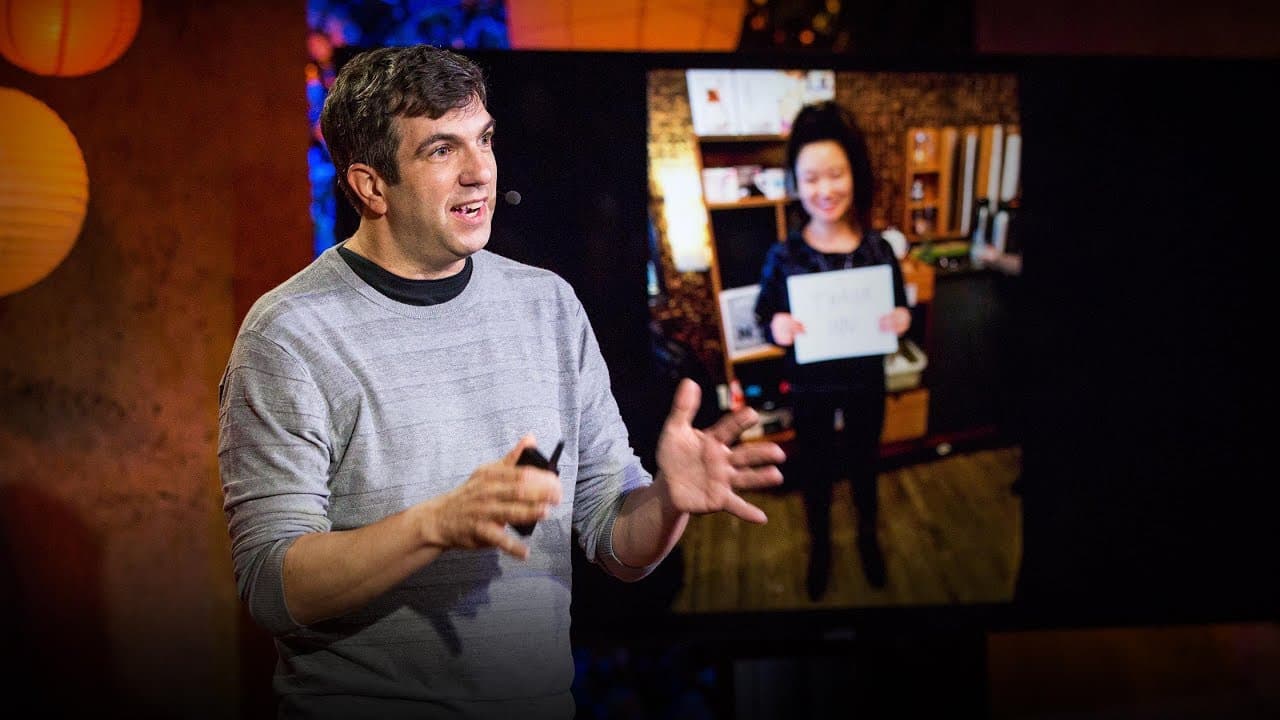
In this TED Talk, the speaker discusses his project "Thanks a Thousand" and how gratitude can combat the brain's negative bias.
Transcript
So, I don't like to boast, but I am very good at finding things to be annoyed about. It is a real specialty of mine. I can hear 100 compliments and a single insult, and what do I remember? The insult. And according to the research, I'm not alone. Unfortunately, the human brain is wired to focus on the negative. Now, this might have been helpful whe... Read More
Key Insights
- 🧠 The human brain is wired to focus on the negative, which can contribute to anxiety and depression. Gratitude is a powerful tool to combat this negative bias.
- 🙏 Expressing gratitude can be as simple as thanking the people who contribute to the things we take for granted, such as the farmers who grow our food and the truckers who transport it.
- 🌍 Practicing gratitude helps us recognize the interconnectedness of our world and the countless individuals who play a role in everyday items, like coffee.
- 👀 Taking the time to truly see and acknowledge the people we interact with, such as the barista, reminds us of their humanity and fosters connection.
- 👃 Savoring the small moments and experiences, like truly tasting and smelling coffee, can enhance gratitude and slow down time.
- 💡 Paying attention to the often invisible processes and masterpieces that surround us can tap into a sense of wonder and enrich our lives.
- 😊 Faking gratitude can lead to genuine gratitude. Acting grateful can change our perspective and mindset, making us more open to appreciating what we have.
- 💪 Gratitude can serve as a catalyst for action and inspire us to help others. It reminds us of the privileges we have and motivates us to make a positive impact in the world.
Install to Summarize YouTube Videos and Get Transcripts
Explore YouTube Video Summarizer or Get YouTube Transcript Extractor
Questions & Answers
Q: Why is the human brain wired to focus on the negative?
According to the speaker, the brain's negative bias may have been helpful for our ancestors in the past when they needed to avoid predators, but it is now a detrimental way to go through life. This negative bias is a major component of anxiety and depression.
Q: How can one fight the brain's negative bias?
One of the best ways to combat the brain's negative bias is through gratitude, according to research mentioned by the speaker. Practicing gratitude helps shift focus away from the negative and allows individuals to appreciate the positive aspects of life.
Q: What new tradition did the speaker start in his household?
The speaker started a new tradition in his household a few years ago before each meal with his wife and kids. Instead of a prayer to a higher power, as he is agnostic, he started expressing gratitude for the people involved in making their food a reality. He thanked the farmer, trucker, and cashier, among others.
Q: Why did the speaker's 10-year-old son suggest he should thank people in person?
The speaker's son pointed out that thanking people who aren't present in their apartment seemed insincere. The son challenged his father to personally thank the people who help make their food a reality.
Q: What was the speaker's project called?
The speaker's project was called "Thanks a Thousand." During this project, he thanked over a thousand people who made his morning cup of coffee possible. He went on a quest to personally thank people involved in various aspects of coffee production, from farmers to truck drivers to steel makers.
Q: How did the speaker's gratitude project change him?
The speaker's gratitude project made him more aware of the interconnectedness of the world and the hundreds of things that go right every day. It also made him notice and appreciate the hidden masterpieces in everyday life. Additionally, the project inspired him to take action and become involved with organizations helping people gain access to safe water.
Q: How does gratitude lead to helping others?
Research mentioned by the speaker shows that the more grateful a person is, the more likely they are to help others. Gratitude shifts focus from one's own needs to a desire to pay it forward. It increases awareness of how many people are involved in everyday activities and can inspire individuals to take action to help others.
Summary & Key Takeaways
-
The human brain is wired to focus on the negative, but practicing gratitude can help fight this negative bias.
-
The speaker started a tradition of gratitude by thanking people who were involved in making his food, which eventually led him to embark on a quest to thank over a thousand people who helped make his morning cup of coffee.
-
The experience of expressing gratitude to others made the speaker more aware of the interconnectedness of the world and inspired him to take action to help others.
Read in Other Languages (beta)
Share This Summary 📚
Summarize YouTube Videos and Get Video Transcripts with 1-Click
Try YouTube Summary with ChatGPT & Claude or YouTube Transcript Generator
Explore More Summaries from TED 📚
Summarize YouTube Videos and Get Video Transcripts with 1-Click
Try YouTube Summary with ChatGPT & Claude or YouTube Transcript Generator