When Algae Learned to Hunt
TL;DR
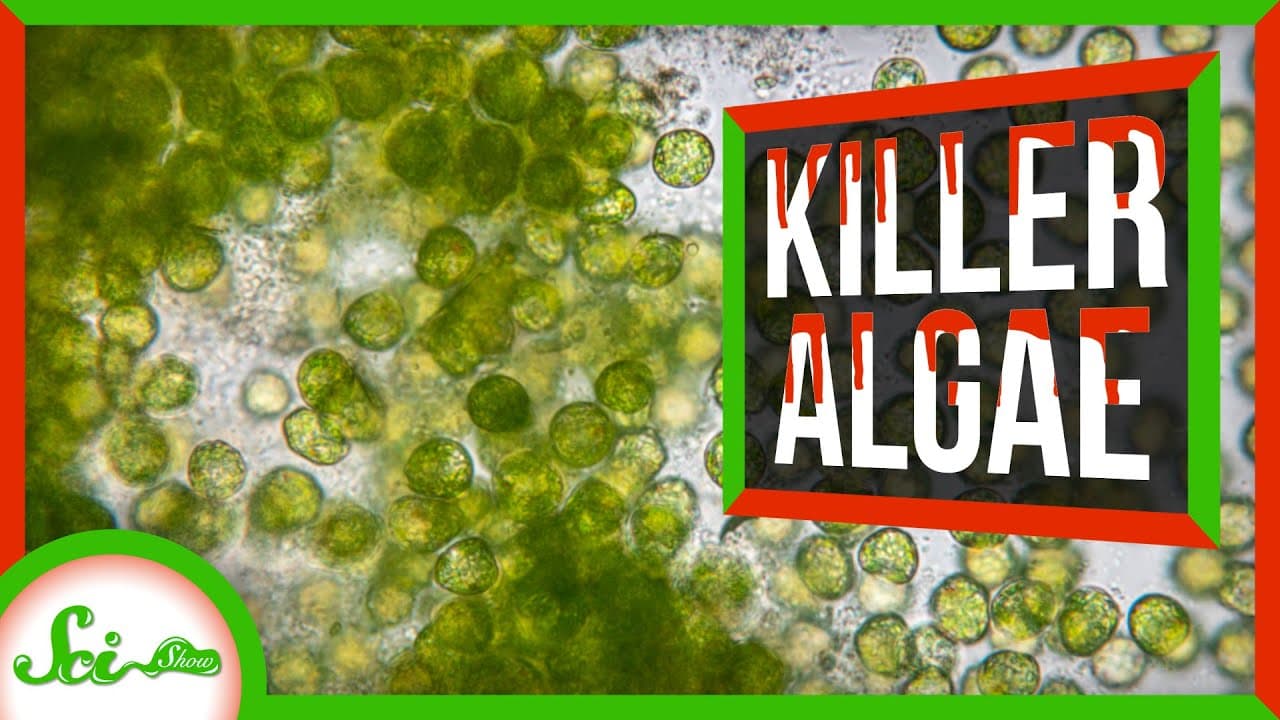
Sixty-six million years ago, marine algae that were once photosynthesizers adapted to survive the lack of light after the asteroid impact by becoming predators and heterotrophs.
Transcript
Thanks to Brilliant for supporting this episode of SciShow. Go to Brilliant.org/SciShow to learn how you can take your STEM skills to the next level this year. [♪ INTRO] Most of us don’t think of algae as being particularly aggressive. I mean, that’s the fuzzy green stuff that accumulates in your fish tank, right? Not exactly scary. But sixty-six m... Read More
Key Insights
- 🖤 Marine algae adapted to a lack of sunlight after the asteroid impact by becoming predators and acquiring energy from other organisms.
- 🏊 Fossils of predatory algae exhibit structures that indicate swimming and capturing prey.
- 🫤 Predatory algae were dominant in the fossil record during the extinction event 66 million years ago.
Install to Summarize YouTube Videos and Get Transcripts
Explore YouTube Video Summarizer or Get YouTube Transcript Extractor
Questions & Answers
Q: How did the asteroid impact affect marine algae?
The asteroid impact caused a lack of sunlight, leading to the death of many marine algae that relied on photosynthesis for energy.
Q: How did some marine algae adapt to the lack of light?
Some marine algae adapted by becoming predators and heterotrophs, acquiring energy by feeding on other organisms instead of solely relying on photosynthesis.
Q: How were researchers able to identify the predatory algae in the fossil record?
Fossils of predatory algae contain structures called flagella and haptonema, which aided in swimming and capturing prey, respectively.
Q: Are all predatory algae today unable to photosynthesize?
It is uncertain if predatory algae, particularly coccolithophores, have completely stopped photosynthesis. Some marine algae today are mixotrophs, capable of both hunting and photosynthesizing.
Summary & Key Takeaways
-
Sixty-six million years ago, an asteroid impact caused a lack of sunlight, leading to the death of many marine algae.
-
Some marine algae adapted by becoming predators, no longer relying solely on photosynthesis for energy.
-
These predatory algae persisted for millions of years, and some marine algae today are still able to both hunt and photosynthesize.
Read in Other Languages (beta)
Share This Summary 📚
Summarize YouTube Videos and Get Video Transcripts with 1-Click
Try YouTube Summary with ChatGPT & Claude or YouTube Transcript Generator
Explore More Summaries from SciShow 📚


Summarize YouTube Videos and Get Video Transcripts with 1-Click
Try YouTube Summary with ChatGPT & Claude or YouTube Transcript Generator