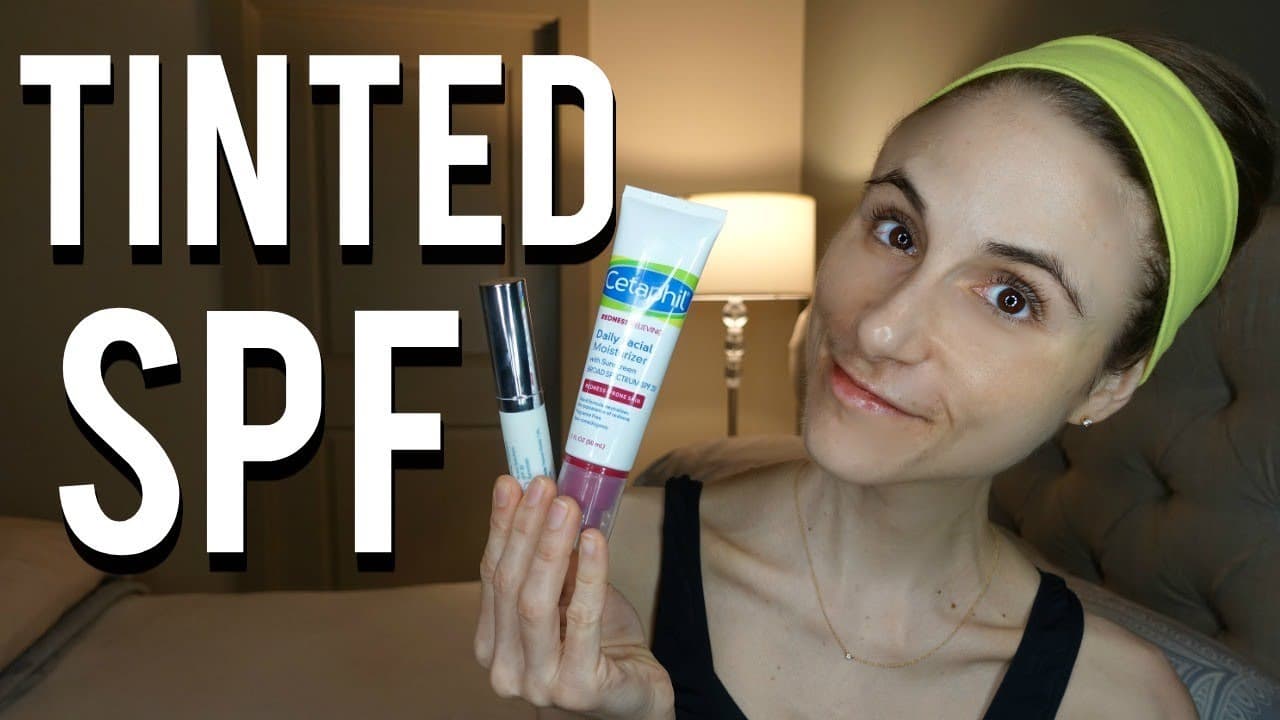
Which Tinted Sunscreen Is Better: Colorescience or Cetaphil?
TL;DR
Colorescience tinted sunscreen offers better coverage and protection against hyperpigmentation compared to Cetaphil. While Colorescience includes iron oxides that shield against visible light, Cetaphil is more affordable but less effective for camouflaging cosmetic concerns. Both serve as excellent supplementary sun protection but should not replace a base layer sunscreen.
Transcript
well good morning guys help everyone's weak it's going well just getting a little coffee via Totoro in and this morning I did my skincare routine applying a good several layers of my elta MD UV clear broad-spectrum SPF 46 sunscreen I'm really enjoying this it goes on swimmingly I apply to all surfaces of all surfaces of my face my ears besides my n... Read More
Key Insights
- 😎 Tinted sunscreens have a dual purpose of camouflaging cosmetic concerns and protecting against sun damage and hyperpigmentation.
- ❓ Color Science sunscreen offers better coverage compared to Cetaphil sunscreen.
- 🏣 Iron oxide in tinted sunscreens helps protect against dark spots and post-inflammatory hyperpigmentation.
Install to Summarize YouTube Videos and Get Transcripts
Explore YouTube Video Summarizer or Get YouTube Transcript Extractor
Questions & Answers
Q: What is the difference between the Color Science and Cetaphil tinted sunscreens?
The Color Science sunscreen offers better coverage and is thicker, making it more effective in camouflaging skin imperfections. The Cetaphil sunscreen is sheerer and easier to apply, making it more suitable for touch-ups throughout the day.
Q: Why do tinted sunscreens contain iron oxide?
Iron oxide is included in tinted sunscreens because it protects against the broader wavelengths of light that can contribute to dark spots, melasma, and post-inflammatory hyperpigmentation.
Q: How should tinted sunscreens be used in conjunction with regular sunscreen?
Tinted sunscreens should not replace regular broad-spectrum sunscreen. They should be considered as an additional layer of protection, particularly for areas prone to hyperpigmentation, such as the under-eye area.
Q: How much SPF is recommended for effective sun protection?
SPF 30 to 50 is recommended for optimal sun protection. Higher SPFs have minimal benefits, while SPFs lower than 30 provide less protection.
Summary & Key Takeaways
-
The content focuses on reviewing and comparing tinted sunscreens, specifically Color Science and Cetaphil brands.
-
Tinted sunscreens have the ability to camouflage cosmetic concerns and protect healing skin from sun damage and hyperpigmentation.
-
The video discusses the differences between the two brands, including coverage, ingredients, and price.
Read in Other Languages (beta)
Share This Summary 📚
Summarize YouTube Videos and Get Video Transcripts with 1-Click
Try YouTube Summary with ChatGPT & Claude or YouTube Transcript Generator
Explore More Summaries from Dr Dray 📚
Summarize YouTube Videos and Get Video Transcripts with 1-Click
Try YouTube Summary with ChatGPT & Claude or YouTube Transcript Generator