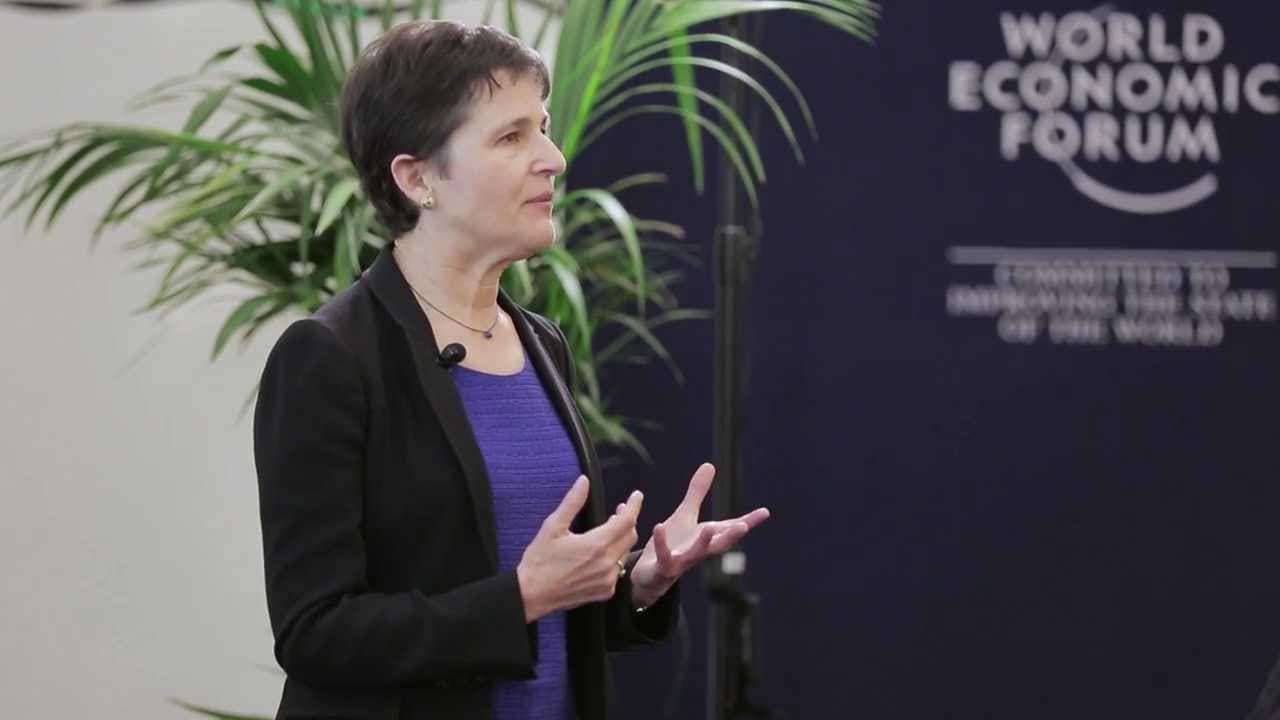
IdeasLab 2014 - Deborah M. Gordon - The Wisdom of Ants
TL;DR
Studying decentralized ant networks reveal adaptations to diverse environments.
Transcript
so i'd like to ask how we can apply what we're learning from decentralized systems without central control in which simple local interactions among the parts combined create the behavior of the whole and how that functions differently in different environments so i study ants and ants smell with their antennae and when one ant touches another with ... Read More
Key Insights
- 💁 Ant networks rely on local interactions, not centralized control, to form collective behavior.
- 👾 Extreme environments like space and deserts shape how ant networks adapt through feedback mechanisms.
- 🤰 Positive feedback regulates arid ant networks, while negative feedback controls lush tropical ant networks.
- 🤰 Human-engineered networks like the internet mimic ant network behaviors for efficient data flow.
- ⚾ Ant networks evolve based on resource availability and environmental conditions for reproductive success.
- 🤰 Understanding ant networks can offer insights into decentralized systems in human societies.
- 🤰 Foraging activities in ant colonies are adapted to conserve resources or exploit competition based on feedback mechanisms.
Install to Summarize YouTube Videos and Get Transcripts
Explore YouTube Video Summarizer or Get YouTube Transcript Extractor
Questions & Answers
Q: How do ants form networks without central control?
Ants create networks through simple local interactions like antennae touches, without explicit instructions or messages, relying on the rate of interactions to regulate behavior.
Q: How do ant networks adapt in extreme environments like the desert?
In arid environments, ants regulate networks using positive feedback, favoring conserving water over foraging due to high operating costs, leading to successful reproduction.
Q: What regulates ant networks in highly competitive environments like the tropics?
In lush tropical environments with abundant resources but high competition, ant networks are regulated by negative feedback to maintain continuous foraging circuits, only interrupted by encounters with rivals.
Q: How can insights from studying ant networks be applied to human societies?
Understanding how local interactions drive collective behavior in ant networks can offer insights into how decentralized systems function in human societies to achieve group tasks efficiently.
Summary & Key Takeaways
-
Ants use decentralized interactions, not instructions, to form networks.
-
Ant networks adapt differently in extreme environments like space and the desert.
-
Positive and negative feedback regulate ant networks based on resource availability.
Read in Other Languages (beta)
Share This Summary 📚
Summarize YouTube Videos and Get Video Transcripts with 1-Click
Try YouTube Summary with ChatGPT & Claude or YouTube Transcript Generator
Explore More Summaries from World Economic Forum 📚

Summarize YouTube Videos and Get Video Transcripts with 1-Click
Try YouTube Summary with ChatGPT & Claude or YouTube Transcript Generator