Painting, Patronage and Politics under the Tudors
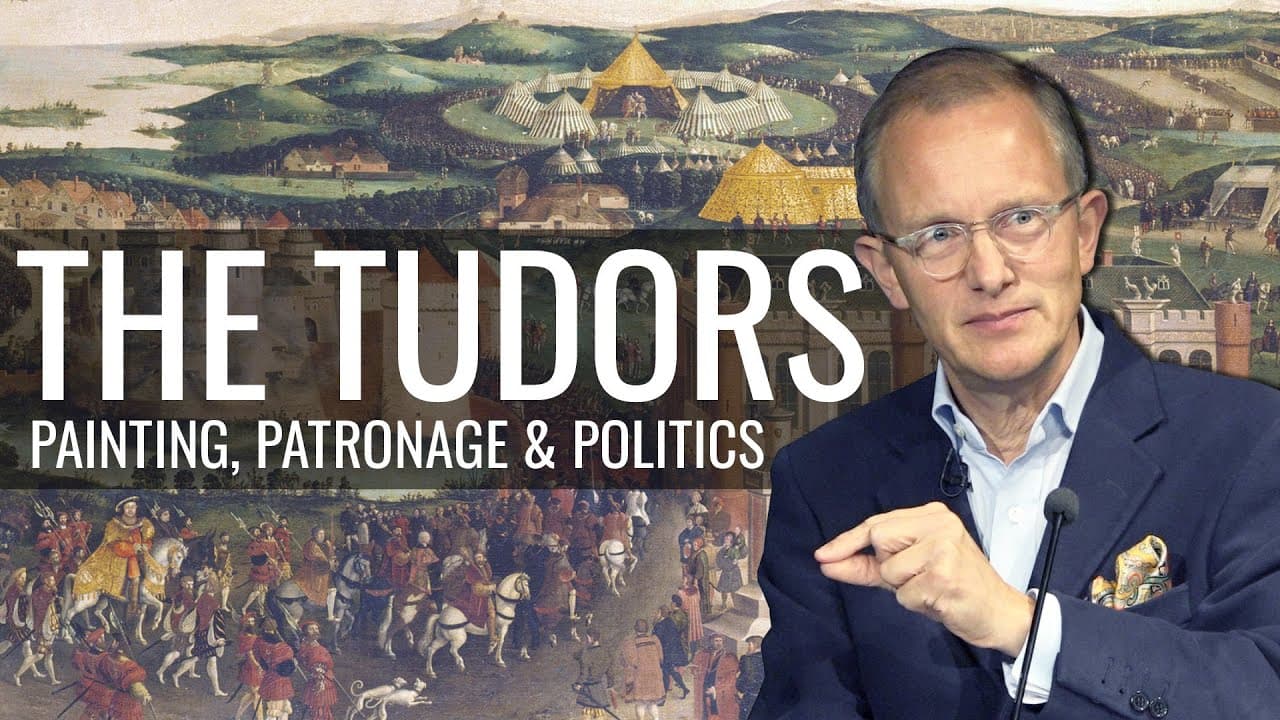
TL;DR
The appreciation of art in 16th century England was focused on costliness, craftsmanship, novelty, and placement of objects. Heraldry, grotesque work, and tapestries were the dominant forms of decoration. Easel painting was not highly valued until later in the century.
Transcript
it has to be said that this is an absolutely enormous subject and there is a literally library's full of books about this but in my first lecture I am dealing with a period from which very little actually survives we often don't know what people had in their houses and how things were shown but I think we do know enough to bring out some important ... Read More
Key Insights
- 🥰 In 16th century England, the appreciation of art was based on costliness, craftsmanship, novelty, and placement.
- 😜 Heraldry, grotesque work, and tapestries were the dominant forms of decoration, representing status, loyalty, and rank.
- 🫵 Easel painting was not highly valued until later in the century and was often viewed with skepticism due to religious concerns.
- 😮 The Reformation had a significant impact on decorative trends, leading to the decline of Catholic-inspired designs and the rise of Protestant-inspired strap work.
Install to Summarize YouTube Videos and Get Transcripts
Explore YouTube Video Summarizer or Get YouTube Transcript Extractor
Questions & Answers
Q: How were objects judged in terms of their aesthetic appreciation in 16th century England?
Objects were primarily judged based on their costliness, craftsmanship, novelty, and placement. These factors determined how impressive or beautiful an object was considered to be.
Q: How did heraldry play a role in decoration during this time?
Heraldry was a popular decorative device that symbolized rank, loyalty, and status. It was used extensively in royal and aristocratic households and was often integrated into architectural features.
Q: How did the Reformation impact decorative trends in 16th century England?
The break with Rome led to a decline in artistic influences from Catholic countries and a shift towards Protestant-inspired decoration. Grotesque work gave way to strap work, and religious painting became less prominent.
Q: How did official portraits of Queen Elizabeth I become popular?
Queen Elizabeth I and her government sought to control the representation of the Queen through official portraits. These portraits were licensed and distributed, becoming symbols of loyalty to the crown.
Summary & Key Takeaways
-
In 16th century England, costliness, craftsmanship, novelty, and placement were the key criteria used to judge the appreciation of art.
-
Heraldry, grotesque work, and tapestries were the predominant forms of decoration in wealthy households.
-
Easel painting was not highly regarded until later in the century and was often viewed with skepticism due to religious beliefs.
-
The rise of strap work and the official portraits of Queen Elizabeth I were important developments in 16th century decoration.
Read in Other Languages (beta)
Share This Summary 📚
Summarize YouTube Videos and Get Video Transcripts with 1-Click
Try YouTube Summary with ChatGPT & Claude or YouTube Transcript Generator
Explore More Summaries from Gresham College 📚


Summarize YouTube Videos and Get Video Transcripts with 1-Click
Try YouTube Summary with ChatGPT & Claude or YouTube Transcript Generator