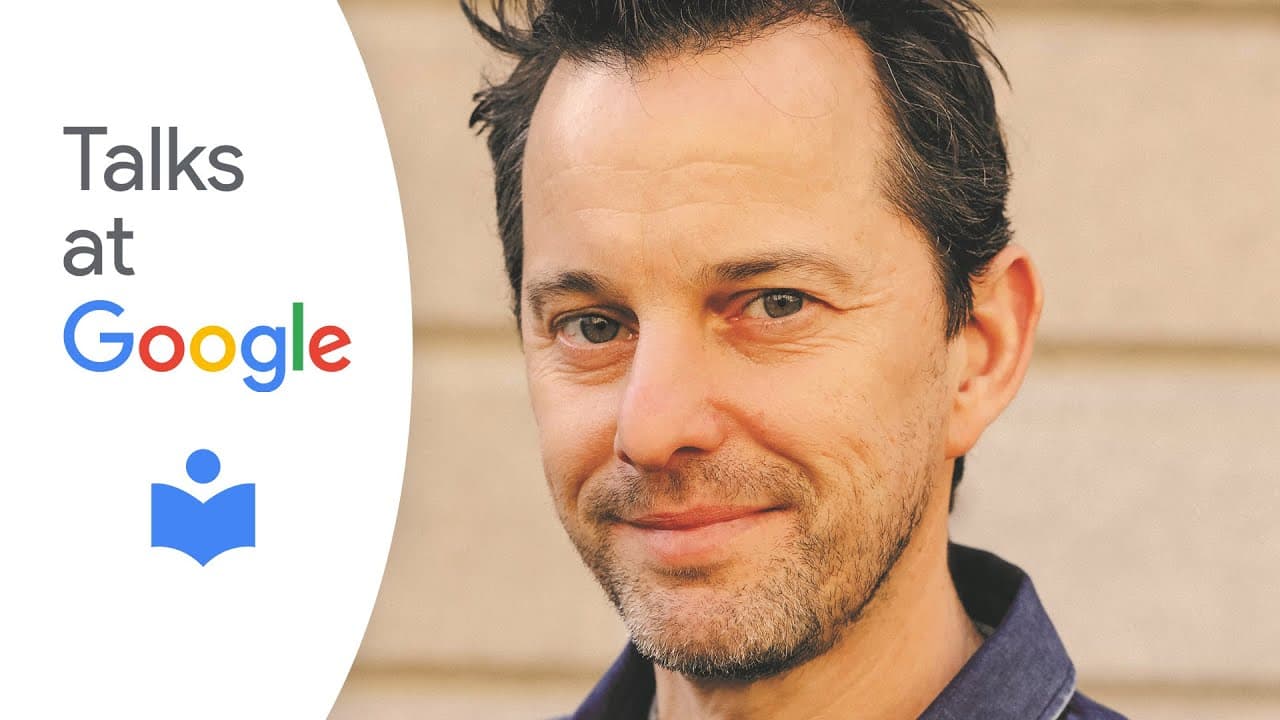
Rowan Hooper | How to Spend a Trillion Dollars | Talks at Google
TL;DR
Rowan Hooper discusses his book on how to spend $1 trillion for the betterment of the world, addressing various projects in science, climate change, poverty alleviation, and space exploration.
Transcript
[MUSIC PLAYING] MATT BONGIOVI: Hey, everyone. Welcome to "Talks at Google." I'm Matt Bongiovi. And I'm thrilled to be joined today by Rowan Hooper. Rowan is a senior editor at "New Scientist" magazine and host of the "New Scientist" weekly podcast. He has a PhD in evolutionary biology, and he's worked across the globe from a national newspaper in T... Read More
Key Insights
- 👋 There is vast wealth available in the world, and it poses the question of how it can be harnessed for the greater good.
- 👍 Cash transfers have proven effective in lifting people out of extreme poverty sustainably and improving their lives.
- 🏝️ Ecosystem restoration, particularly in land and oceans, not only helps tackle climate change but also benefits biodiversity and carbon drawdown.
- 👾 Space exploration, including moon settlement and resource utilization, offers opportunities for scientific advancements, heavy industry relocation, and equitable distribution of benefits.
- 🧑⚕️ Universal healthcare is critical for improving global health and extending lifespans, acting as a foundation for addressing other challenges.
- 📽️ While some scientific projects may require substantial funding and long-term dedication, smaller-scale projects in medicine, ecology, and sustainability could have a significant impact with relative investments.
- 😑 Achieving global solutions to pressing problems requires collaboration, diversification of resources, and a combination of practical and ambitious projects.
Install to Summarize YouTube Videos and Get Transcripts
Explore YouTube Video Summarizer or Get YouTube Transcript Extractor
Questions & Answers
Q: What are some examples of studies conducted on direct cash transfers, and how has the impact been observed?
Many studies have been conducted globally, both in poor countries and developed ones like the US. One example is the Alaskan program, which provides cash dividends to citizens. The evidence shows that cash transfers elevate people out of extreme poverty sustainably, leading to improved living conditions and reduced family sizes.
Q: Are there any super expensive sustainability projects being implemented around the world?
Currently, there are no highly expensive sustainability projects underway. However, various smaller-scale projects focus on ecosystem restoration, such as kelp farming, seagrass restoration, and protection of forests and grasslands. These projects have great potential but require more substantial funding to have a larger impact.
Q: How did Rowan evaluate the positive impact of where he spent the $1 trillion?
Rowan sought advice from experts and considered the feasibility and potential benefits of each project. While the evaluation process was subjective, he aimed to select projects that could have a significant positive impact, such as combating climate change, improving global health, and advancing scientific knowledge.
Summary & Key Takeaways
-
Rowan Hooper explores the possibilities of making a significant impact on the world with $1 trillion, focusing on projects that advance science, improve human welfare, and enhance the environment.
-
He outlines specific areas such as direct cash transfers to alleviate poverty, ecosystem restoration for carbon drawdown, and the exploration and settlement of the moon.
-
Hooper emphasizes the importance of universal healthcare as a foundational aspect in improving global health and extending lifespans.
Read in Other Languages (beta)
Share This Summary 📚
Summarize YouTube Videos and Get Video Transcripts with 1-Click
Try YouTube Summary with ChatGPT & Claude or YouTube Transcript Generator
Explore More Summaries from Talks at Google 📚

Summarize YouTube Videos and Get Video Transcripts with 1-Click
Try YouTube Summary with ChatGPT & Claude or YouTube Transcript Generator