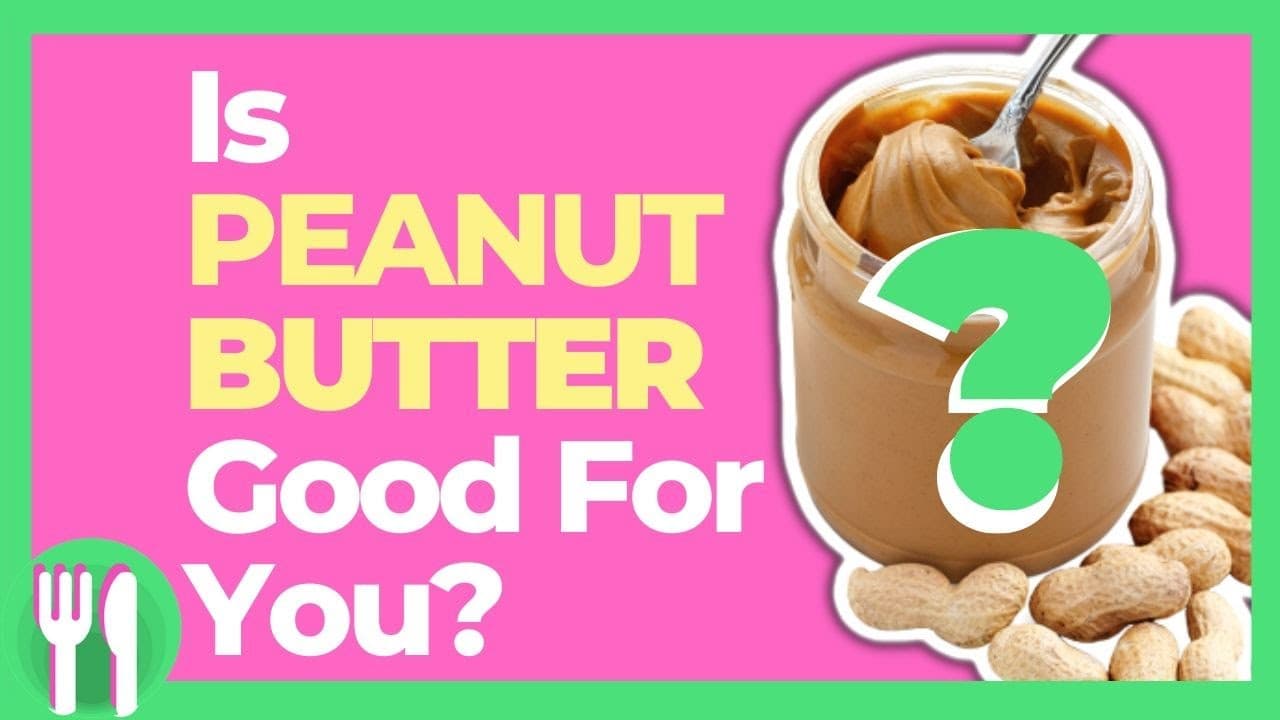
Is Peanut Butter Good For You? Nutrition Review
TL;DR
Peanut butter offers nutrition benefits but can be unhealthy if it contains additives.
Transcript
in this video we're going to talk about the crunchy smooth salty friend that lives in your cupboard peanut butter peanut butter is one of the world's most popular spreads but is it good for you stay tuned to find out it's not just a breakfast that we're now eating peanut butter we're also walking it down in smoothies cakes ice cream and even salads... Read More
Key Insights
- 🥜 Peanut butter is primarily made from ground roasted peanuts, which results in its creamy, pasty texture.
- 👨 It is a calorie-dense food, primarily composed of healthy unsaturated fats that can contribute positively to dietary fat intake.
- 👯 While both smooth and crunchy varieties offer similar nutritional benefits, personal preference dictates which version people choose.
- 🤩 Moderation is key when consuming peanut butter, as overconsumption can lead to excessive calorie intake and potential weight gain.
- 🍏 Healthy snacks, such as apple slices dipped in peanut butter, can enhance the nutritional profile and enjoyment of fruit.
- ✋ Peanut butter's high protein content supports muscle maintenance and repair, making it a favorable choice for active individuals.
- 🖤 Products that separate in the jar typically indicate a lack of unnecessary additives, signifying a healthier option.
Install to Summarize YouTube Videos and Get Transcripts
Explore YouTube Video Summarizer or Get YouTube Transcript Extractor
Questions & Answers
Q: What nutritional benefits does peanut butter offer?
Peanut butter is a nutrient-dense food that provides a combination of protein, healthy fats, and dietary fiber, along with essential vitamins such as vitamin E, niacin, and minerals like magnesium and copper. This makes it a beneficial addition to a balanced diet, supporting energy levels and overall health.
Q: Why is it important to read peanut butter labels?
Many commercial peanut butter products contain additives like sugar, hydrogenated fats, and emulsifiers that detract from their health benefits. By reading the labels, consumers can choose products that are simply made with 100% peanuts, avoiding unnecessary additives that may contribute to health issues such as heart disease.
Q: Can everyone enjoy peanut butter?
No, not everyone can enjoy peanut butter, as it can cause severe allergic reactions in individuals with peanut allergies. These allergies can be life-threatening for a small percentage of the population, necessitating careful avoidance of all peanut products for those affected.
Q: What is a recommended serving size of peanut butter?
The recommended serving size of peanut butter is about one tablespoon, which equals approximately 20 grams. This amount balances taste and nutritional value, providing roughly 118 calories, 5 grams of protein, 10 grams of fat, and 4 grams of carbohydrates, making it a healthy snack option.
Summary & Key Takeaways
-
Peanut butter is a versatile spread that is rich in nutrients, including protein, healthy fats, and fiber, and can be a good addition to various meals and snacks when consumed in moderation.
-
Many commercially available peanut butters contain added sugars, hydrogenated fats, and other additives, making it crucial to read labels and select products with 100% peanuts for optimal health benefits.
-
While peanut butter can aid in satiety and is calorie-dense, maintaining portion control is essential to avoid exceeding daily caloric intake, with a suggested serving size being about one tablespoon.
Read in Other Languages (beta)
Share This Summary 📚
Summarize YouTube Videos and Get Video Transcripts with 1-Click
Try YouTube Summary with ChatGPT & Claude or YouTube Transcript Generator
Explore More Summaries from All Things Nutrition 📚





Summarize YouTube Videos and Get Video Transcripts with 1-Click
Try YouTube Summary with ChatGPT & Claude or YouTube Transcript Generator