How to Foster a Creative Culture at Pixar
TL;DR
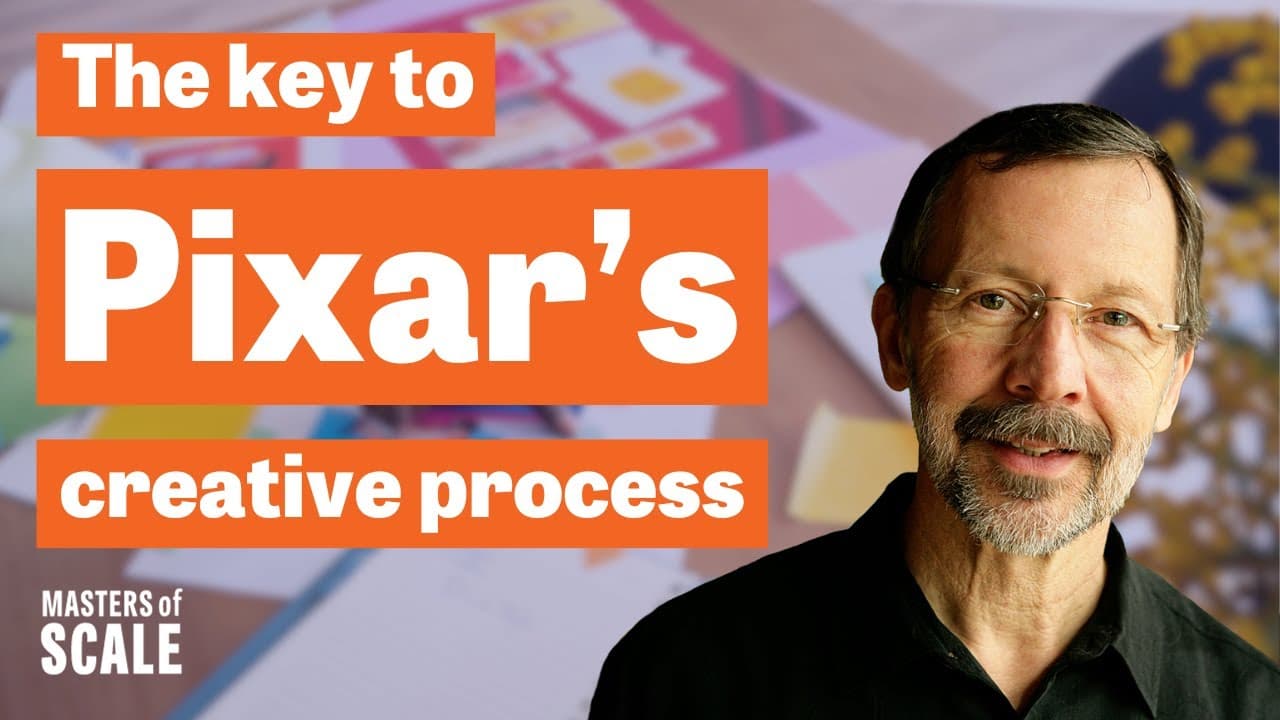
Ed Catmull emphasizes the importance of constantly tweaking and reinventing the rules to foster creativity and innovation. He shares insights from his journey at Pixar and Disney, highlighting the significance of a dynamic environment where experimentation is encouraged. This approach has been pivotal in Pixar's success and can be applied to any organization aiming for creative excellence.
Transcript
when Steve Jobs bought us at the beginning to be honest we were nervous because we did know what Steve was like and what the reputation was and I have to say for several years I didn't see any sense of humor at all that's Ed catmull co-founder of Pixar recalling Steve Jobs as a creative genius yes but a genius who is demanding Brash abrasive and th... Read More
Key Insights
- Steve Jobs evolved from a demanding leader to one with empathy and humor, impacting Apple's success.
- Pixar's creative culture thrives on constantly reinventing processes and embracing change.
- The Brain Trust at Pixar fosters candid feedback and collaboration without hierarchical constraints.
- Ed Catmull emphasizes the importance of a dynamic environment for creativity and innovation.
- Pixar's partnership with Disney was pivotal, allowing creative freedom while maintaining financial stability.
- Ed Catmull's leadership at Pixar focused on building a supportive culture where everyone owns the problem.
- Steve Jobs' strategic insight led to Pixar's successful IPO, ensuring its independence and growth.
- Pixar's iterative process and willingness to adapt have been key to its sustained success.
Install to Summarize YouTube Videos and Get Transcripts
Explore YouTube Video Summarizer or Get YouTube Transcript Extractor
Questions & Answers
Q: How did Steve Jobs' leadership style evolve over time?
Steve Jobs' leadership style evolved significantly from being demanding and abrasive to more empathetic and humorous. This change was particularly noticeable between 1991 and 1995, as he became more caring and attentive to people. His transformation had a profound impact on Apple's success, as it allowed for a more collaborative and innovative environment.
Q: What is the Brain Trust at Pixar?
The Brain Trust at Pixar is a method of fostering candid feedback and collaboration among filmmakers. It involves a group of peers who provide constructive criticism without hierarchical constraints. The goal is to identify problems and suggest solutions without dictating how to solve them, allowing directors to feel free to listen and innovate.
Q: Why is a dynamic creative culture important at Pixar?
A dynamic creative culture is vital at Pixar because it encourages continuous reinvention and adaptation of processes. This approach allows for groundbreaking innovations and ensures that the company remains at the forefront of the animation industry. By fostering an environment where experimentation is encouraged, Pixar can maintain its creative excellence and leadership.
Q: How did Pixar's partnership with Disney benefit both companies?
Pixar's partnership with Disney was mutually beneficial as it provided Pixar with financial stability and creative freedom while allowing Disney to benefit from Pixar's innovative animation techniques. This collaboration led to successful films and a renegotiated deal that positioned Pixar as an equal partner, fostering a culture of shared success and creative collaboration.
Q: What role did Steve Jobs play in Pixar's financial success?
Steve Jobs played a crucial role in Pixar's financial success by strategically planning its IPO following the release of Toy Story. His vision ensured that Pixar remained financially independent and able to negotiate as an equal partner with Disney. Jobs' understanding of the importance of creative freedom and financial stability was instrumental in Pixar's growth and success.
Q: What challenges did Pixar face in creating Toy Story?
Creating Toy Story posed significant challenges as it was the first full-length computer-animated film. Pixar had to overcome technical limitations, manage creative differences with Disney, and ensure the film's success to secure future projects. The team at Pixar relied on their dynamic creative culture and collaborative environment to navigate these challenges and deliver a groundbreaking film.
Q: How does Pixar encourage innovation within its teams?
Pixar encourages innovation by fostering a supportive environment where everyone owns the problem. This culture allows team members to proactively identify and solve issues, collaborate freely, and share candid feedback. The Brain Trust is an example of how Pixar facilitates open dialogue and continuous improvement, ensuring that creative solutions are developed collaboratively.
Q: What lessons can other organizations learn from Pixar's approach to creativity?
Other organizations can learn from Pixar's approach to creativity by embracing a dynamic culture that encourages constant reinvention and adaptation. By fostering an environment where experimentation and candid feedback are valued, organizations can drive innovation and maintain a competitive edge. Leadership should focus on building supportive teams where everyone feels ownership of the challenges and solutions.
Summary & Key Takeaways
-
Ed Catmull highlights the importance of a dynamic creative culture, emphasizing the need to constantly reinvent processes. At Pixar, this approach allowed for groundbreaking innovations in animation, leading to successful partnerships and financial independence. By fostering an environment where experimentation is encouraged, Pixar has maintained its position as a leader in the industry.
-
Pixar's success is attributed to its unique creative culture, where feedback is candid and collaboration is encouraged. The Brain Trust, a method of sharing constructive criticism, plays a crucial role in this process. Ed Catmull's leadership has been instrumental in creating a supportive environment where everyone owns the problem, leading to innovative solutions and sustained growth.
-
Steve Jobs' strategic vision was crucial in Pixar's journey, from its early days as a division of Lucasfilm to its successful IPO. His understanding of the need for creative freedom and financial stability allowed Pixar to thrive. Ed Catmull's insights into fostering a creative culture have been pivotal in Pixar's continued success and can be applied to any organization seeking innovation.
Read in Other Languages (beta)
Share This Summary 📚
Summarize YouTube Videos and Get Video Transcripts with 1-Click
Try YouTube Summary with ChatGPT & Claude or YouTube Transcript Generator
Explore More Summaries from Masters of Scale 📚

Summarize YouTube Videos and Get Video Transcripts with 1-Click
Try YouTube Summary with ChatGPT & Claude or YouTube Transcript Generator