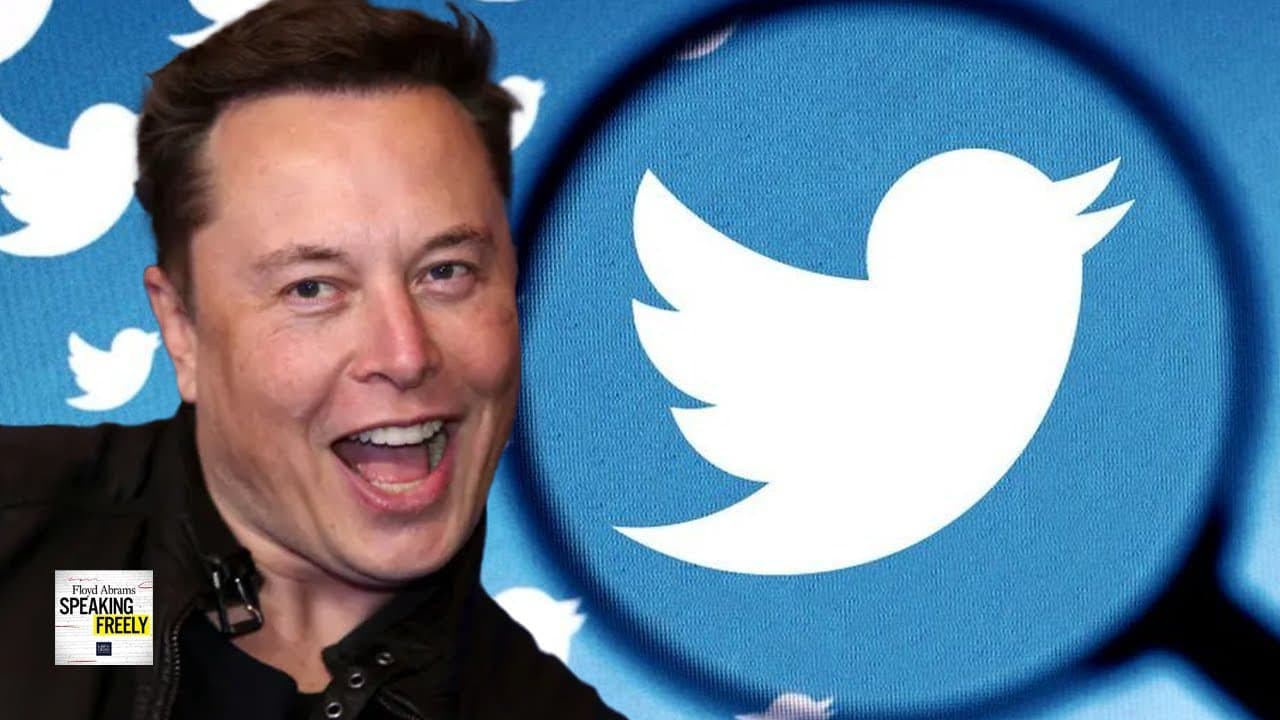
Elon Musk Buys Twitter For $44B, What's Next For Free Speech?
TL;DR
Analyzing Elon Musk's takeover of Twitter, content moderation, and free speech on the internet.
Transcript
speaking freely is the name of this podcast it also happens to be not coincidentally the name of the first book i wrote in 2005 about the first amendment and not coincidentally i think there are two words used by elon musk last week and talking about his takeover running now or imminently twitter and it occurred to me that there was no one better n... Read More
Key Insights
- 🥶 Content moderation on platforms like Twitter involves balancing free speech with responsible curation.
- 😯 The intricate relationship between the law, hate speech, and the need for content moderation is a challenging aspect on social media platforms.
- 😀 Platforms often face politicized decisions in determining what content to allow, reflecting broader social and political implications.
- 👻 Maintaining a balance between allowing diverse opinions and preventing the spread of false information is a crucial challenge for social media platforms.
- 🥺 The shift from traditional media intermediaries to online platforms has led to a flood of information, challenging individuals to discern facts from misinformation.
- ✊ Network effects and monopolistic control of social media platforms raise concerns about competition, privacy, and market power alignment.
- 🇨🇫 Ethical considerations in optimizing algorithms for profit versus ethical social responsibility remain central to discussions on content moderation.
Install to Summarize YouTube Videos and Get Transcripts
Explore YouTube Video Summarizer or Get YouTube Transcript Extractor
Questions & Answers
Q: How does Richard Hazen view Elon Musk's statement on the importance of free speech within legal boundaries?
Richard Hazen acknowledges the complexities of allowing unrestricted free speech on platforms like Twitter, highlighting the need for content moderation beyond just legal considerations to maintain platform quality.
Q: What criteria does Hazen suggest Twitter adopt in determining what content to allow on the platform?
Hazen proposes that Twitter should consider factors like political speech, disinformation, and public interest in their content moderation criteria to ensure that the platform remains valuable while upholding certain standards.
Q: How does Hazen differentiate between unpopular opinions and false information in terms of content moderation?
Hazen distinguishes between unpopular opinions, which should be allowed, and false information, which, when persistent and misleading, warrants content demotion or fact-checking to prevent misinformation.
Q: What are some challenges with social media platforms' content curation and algorithms highlighted by Richard Hazen?
Hazen points out the risk of algorithms amplifying extreme views and misinformation, emphasizing the importance of responsible curation and contextualization of content to combat misinformation and promote accuracy.
Summary & Key Takeaways
-
Discussion between host and Richard Hazen about free speech versus content moderation on platforms like Twitter.
-
Examination of the relationship between free speech, online commentary, and potential limitations.
-
Insights into the challenges of balancing free speech and responsible content moderation on social media platforms.
Read in Other Languages (beta)
Share This Summary 📚
Summarize YouTube Videos and Get Video Transcripts with 1-Click
Try YouTube Summary with ChatGPT & Claude or YouTube Transcript Generator
Explore More Summaries from Floyd Abrams Speaking Freely 📚

Summarize YouTube Videos and Get Video Transcripts with 1-Click
Try YouTube Summary with ChatGPT & Claude or YouTube Transcript Generator