Ten Things I Know to be True | Dr Lloyd Minor | Talks at Google
TL;DR
Healthcare needs to shift its focus to the patient, embrace technology for high-tech, high-touch care, and be proactive in preventing diseases rather than just treating them.
Transcript
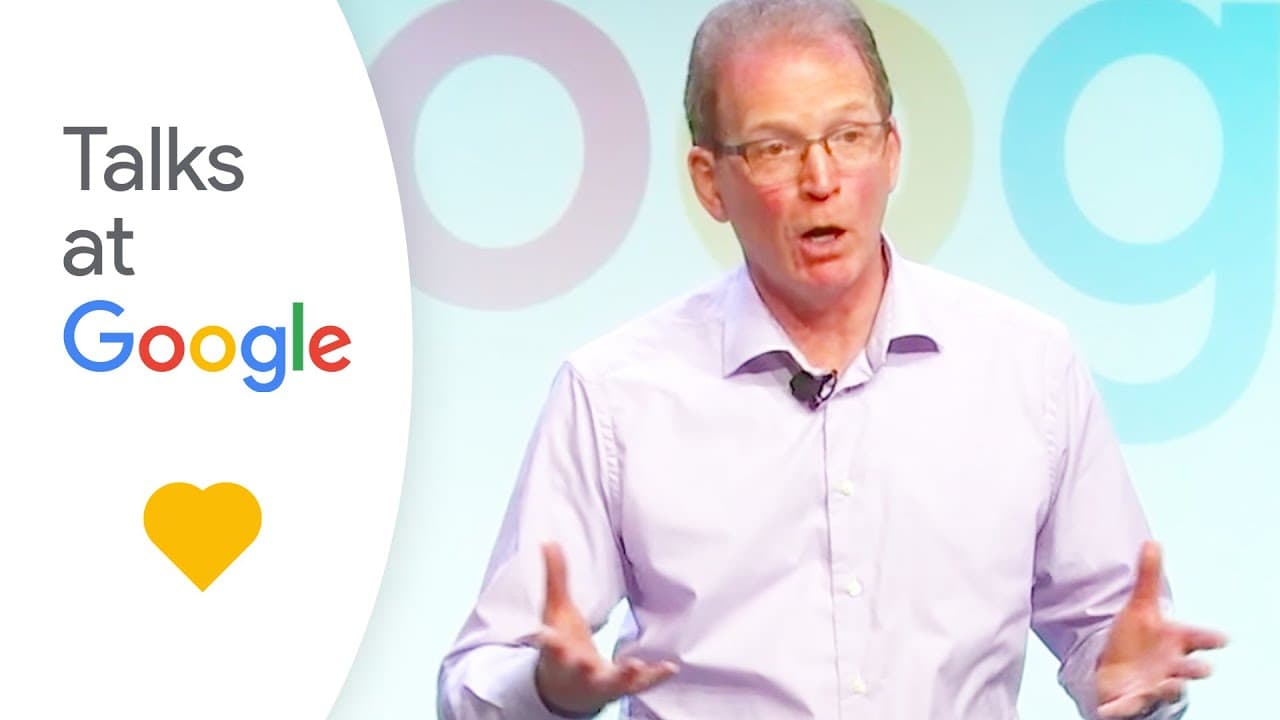
[MUSIC PLAYING] GREG MOORE: Hello Googlers, both here in Sunnyvale and around the world. Good afternoon. My name is Greg Moore. I lead health care here at Google Cloud. And we have a very, very special guest with us this afternoon. It gives me great pleasure to introduce to you today Dr. Lloyd B. Minor, M.D. Dr. Minor is the Carl and Elizabeth Naum... Read More
Key Insights
- ❓ Patient engagement is crucial for improving healthcare outcomes and should be a priority for healthcare professionals.
- 💅 Precision health, focusing on prediction, prevention, and cure, holds the potential to transform healthcare by personalizing care and improving outcomes.
- 🖐️ Data plays a vital role in healthcare, and leveraging technology and analytics can provide valuable insights for decision-making and patient engagement.
- 😃 Collaboration between academia and industry is necessary to overcome barriers to data sharing and utilize the full potential of big data in healthcare.
- 🧑⚕️ Proactive healthcare is essential for reducing costs and improving overall health by preventing diseases before they require complex interventions.
- 😨 The healthcare industry needs to embrace technology and innovation to improve efficiency and deliver better care to patients.
- 🧑⚕️ Addressing diversity in healthcare, both in terms of representation and addressing social determinants of health, is crucial for achieving better health outcomes.
Install to Summarize YouTube Videos and Get Transcripts
Explore YouTube Video Summarizer or Get YouTube Transcript Extractor
Questions & Answers
Q: How has the role of patients changed in healthcare?
Patients are no longer passive recipients of care; they are actively involved in their treatment and decision-making. Healthcare professionals need to prioritize patient engagement and involve patients in their own care.
Q: How can technology contribute to proactive healthcare?
Technology can enable high-tech, high-touch healthcare by providing tools for prediction and prevention. For example, wearable devices can monitor a person's health and provide real-time data that can be used for early detection and intervention.
Q: What can be done to improve data sharing in healthcare?
There is a need for standardized platforms and security measures to enable data sharing in healthcare. Ensuring privacy and the secure exchange of data can help facilitate collaboration between academia and industry in leveraging the power of big data for healthcare.
Q: What are the challenges in implementing precision health in a cost-effective manner?
While advancements in medical technology can increase costs initially, focusing on prediction and prevention can ultimately lead to cost savings by reducing the need for complex treatments. Shifting the healthcare system to a proactive approach and prioritizing prevention can help make precision health more cost-effective and accessible to the population.
Summary & Key Takeaways
-
Health care needs to shift its focus to patient-centered care, involving patients in their own treatment and engaging them in their health.
-
Precision health is the future of healthcare, focusing on prediction, prevention, and cure in that order, using technology and data to personalize care.
-
Data holds the key to better health, and combining consumer-facing devices with analytics can provide valuable insights for decision-making and patient engagement.
Read in Other Languages (beta)
Share This Summary 📚
Summarize YouTube Videos and Get Video Transcripts with 1-Click
Try YouTube Summary with ChatGPT & Claude or YouTube Transcript Generator
Explore More Summaries from Talks at Google 📚
Summarize YouTube Videos and Get Video Transcripts with 1-Click
Try YouTube Summary with ChatGPT & Claude or YouTube Transcript Generator