How to Maximize Muscle Gains with Unilateral Training
TL;DR
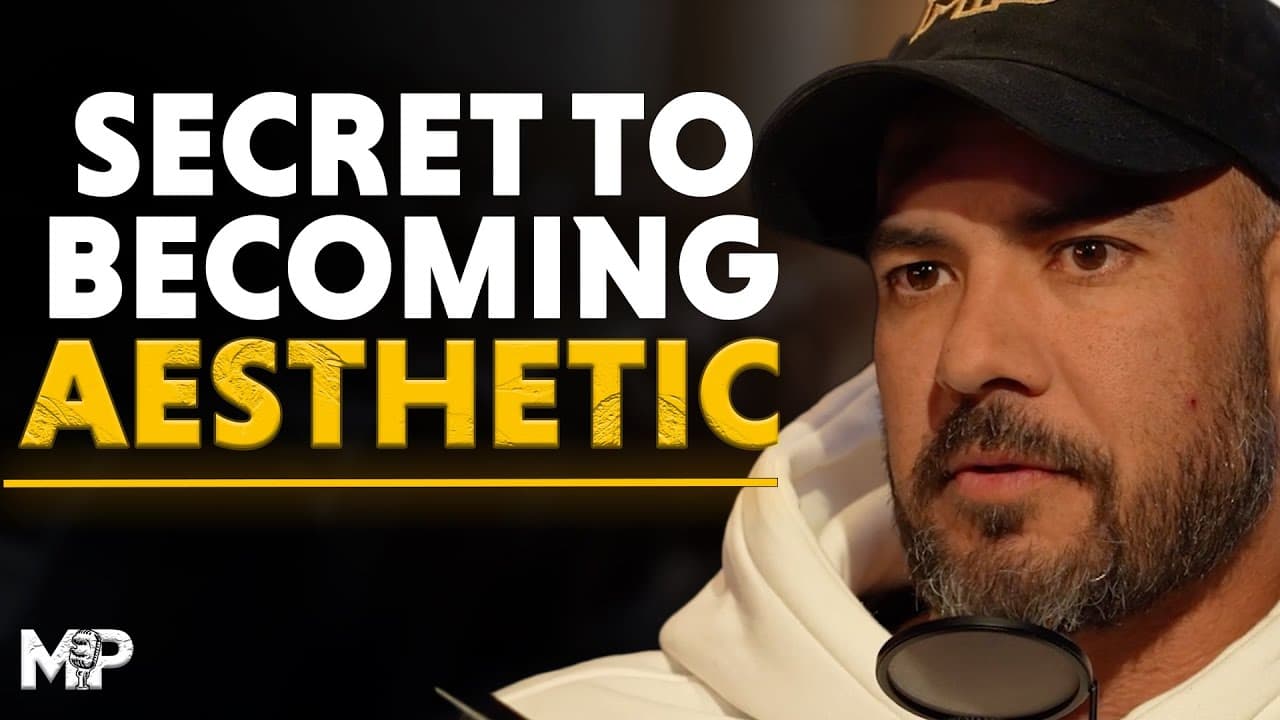
Unilateral training, focusing on one arm or leg at a time, reveals muscle imbalances and enhances overall strength. By dedicating a training block to unilateral exercises, you can improve muscle symmetry, increase mind-muscle connection, and ultimately boost performance in bilateral lifts. This approach is beneficial for both athletes and bodybuilders seeking balanced muscle development.
Transcript
If you're not doing a phase of unilateral training, you're losing gains. We're going to talk about the secret powers, the gains you can get from unilateral training. We're going to break it down for you and why it's so effective. Let's get into it. You guys remember how long uh it was in your career until you did like a like a true training cycle o... Read More
Key Insights
- Unilateral training focuses on one arm or leg at a time, revealing muscle imbalances.
- Dedicating a training block to unilateral exercises enhances muscle symmetry.
- Unilateral exercises improve mind-muscle connection, leading to better muscle development.
- Athletes and bodybuilders benefit from unilateral training for balanced muscle growth.
- Unilateral training can lead to significant gains in bilateral lifts by addressing weak points.
- A full training block of unilateral exercises is recommended for optimal results.
- Unilateral training serves as a correctional exercise to address movement imbalances.
- Starting with the weaker side ensures balanced development and reduces discrepancies.
Install to Summarize YouTube Videos and Get Transcripts
Explore YouTube Video Summarizer or Get YouTube Transcript Extractor
Questions & Answers
Q: How does unilateral training reveal muscle imbalances?
Unilateral training involves exercising one arm or leg at a time, which highlights discrepancies in strength, stability, and endurance between the two sides. This method makes it easier to identify and address these imbalances, as opposed to bilateral exercises where the stronger side may compensate for the weaker side, masking any differences.
Q: Why is a full training block of unilateral exercises recommended?
A full training block of unilateral exercises is recommended because it allows sufficient time to address and correct muscle imbalances. By focusing exclusively on unilateral movements for several weeks, individuals can enhance their muscle symmetry, improve their mind-muscle connection, and achieve better overall strength and performance in subsequent bilateral exercises.
Q: How does unilateral training improve mind-muscle connection?
Unilateral training improves mind-muscle connection by allowing individuals to focus more intently on the target muscle. With one limb at a time, there is less distraction and more opportunity to concentrate on the movement and muscle contraction, leading to better muscle activation and development over time.
Q: What are the benefits of unilateral training for athletes?
For athletes, unilateral training offers benefits such as improved balance, stability, and coordination. It mimics the natural movements in sports where one leg or arm is often used independently, enhancing athletic performance and reducing the risk of injury by addressing any existing muscle imbalances.
Q: How can unilateral training lead to gains in bilateral lifts?
Unilateral training addresses weak points and imbalances, allowing the body to generate more force during bilateral lifts. By strengthening each side individually, the overall stability and strength improve, leading to better performance and potential personal records (PRs) in exercises like squats, bench presses, and deadlifts.
Q: What is the role of unilateral training in correctional exercise?
Unilateral training acts as a correctional exercise by focusing on one side at a time, which helps in identifying and correcting movement imbalances. This approach can address muscle weaknesses and improve functional movement patterns, reducing the risk of injury and enhancing overall physical performance.
Q: Why should you start unilateral training with the weaker side?
Starting with the weaker side ensures that the stronger side does not dominate the workout, which could perpetuate imbalances. By allowing the weaker side to dictate the reps and intensity, you promote balanced strength development and reduce the risk of further discrepancies between the two sides.
Q: How long should a unilateral training block last for optimal results?
For optimal results, a unilateral training block should last between 6 to 12 weeks. This duration provides enough time to address imbalances, improve muscle symmetry, and enhance mind-muscle connection. It allows the body to adapt to the new training stimulus, leading to significant improvements in strength and performance.
Summary & Key Takeaways
-
Unilateral training, which involves focusing on one arm or leg at a time, is effective in uncovering muscle imbalances and enhancing overall strength. By dedicating a specific training block to unilateral exercises, individuals can improve muscle symmetry, increase their mind-muscle connection, and ultimately boost their performance in bilateral lifts.
-
This method is particularly beneficial for athletes and bodybuilders who seek balanced muscle development. By addressing weak points and imbalances, unilateral training can lead to significant gains in strength and muscle mass.
-
For optimal results, a full training block of unilateral exercises is recommended. This approach not only serves as a correctional exercise to address movement imbalances but also ensures balanced development by starting with the weaker side.
Read in Other Languages (beta)
Share This Summary 📚
Summarize YouTube Videos and Get Video Transcripts with 1-Click
Try YouTube Summary with ChatGPT & Claude or YouTube Transcript Generator
Explore More Summaries from Mind Pump Show 📚
Summarize YouTube Videos and Get Video Transcripts with 1-Click
Try YouTube Summary with ChatGPT & Claude or YouTube Transcript Generator