The Science Of Fur Baby Talk
TL;DR
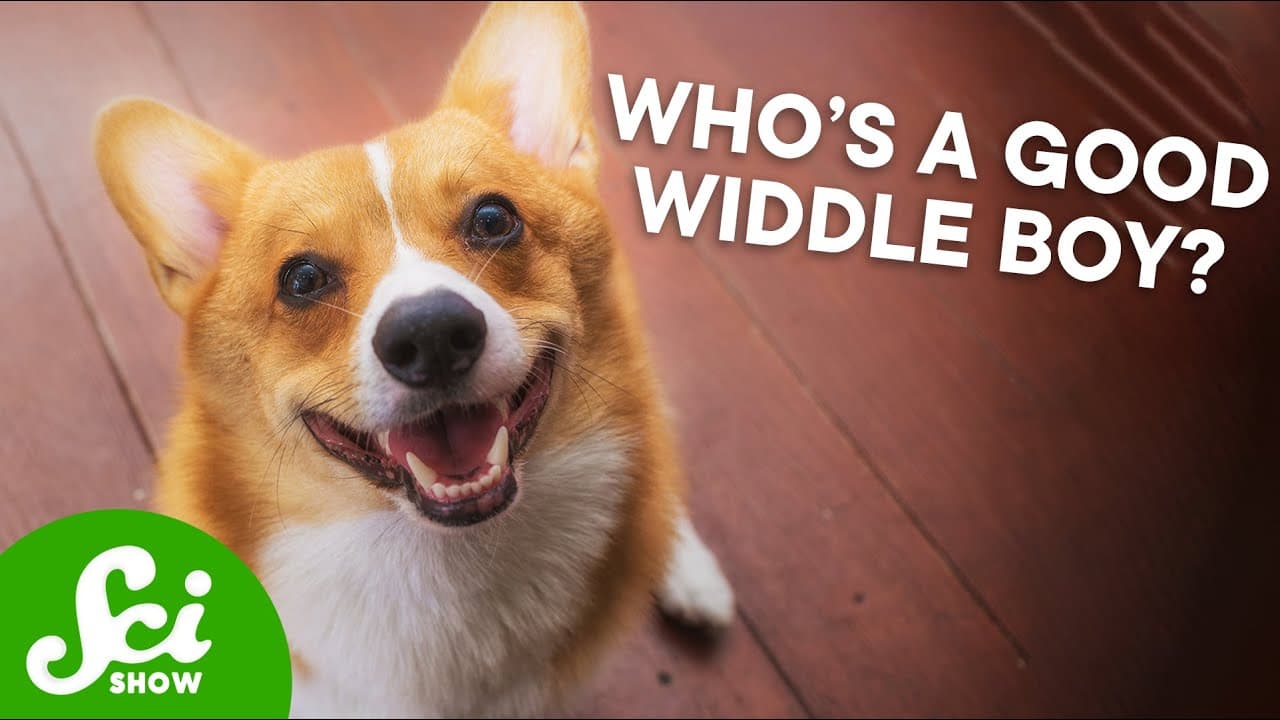
Pet owners often use baby talk, or pet-directed speech, when talking to their pets, and research suggests it serves a purpose by getting their attention, controlling behavior, showing affection, and helping them learn words.
Transcript
Thanks to Brilliant for supporting this SciShow video! As a SciShow viewer, you can keep building your STEM skills with a 30-day free trial and 20% off an annual premium subscription at Brilliant.org/SciShow. [♪ INTRO] If you have a dog or a cat or like a guinea pig or something, you might sometimes talk kind of funny to it. You know, like “How is ... Read More
Key Insights
- 🐶 Pet owners use baby talk, or pet-directed speech, to communicate with their pets in a way similar to how they would communicate with human babies.
- 😒 Pet-directed speech is slower, more high-pitched, and uses exaggerated vowels and simplified phrasing.
- 🤲 Baby talk to pets serves a purpose by getting their attention, controlling behavior, showing affection, and potentially helping them learn words.
- 🐶 Pet-directed speech can help pets distinguish when humans are addressing them specifically.
- 😯 Research suggests that pet-directed speech can elicit positive physiological responses in animals like horses.
- 👨🔬 Some scientists believe that baby talk may increase oxytocin (the love hormone) levels in pets and humans, though more research is needed.
- 🐶 Pet owners instinctively talk to their pets as if they are children, enhancing the emotional bond between them.
Install to Summarize YouTube Videos and Get Transcripts
Explore YouTube Video Summarizer or Get YouTube Transcript Extractor
Questions & Answers
Q: Why do pet owners use baby talk when talking to their pets?
Pet owners use baby talk, or pet-directed speech, to get their pets' attention, control their behavior, show affection, and potentially help them learn words. It's a way for humans to connect with their pets and establish positive interactions.
Q: Is pet-directed speech similar to infant-directed speech?
Yes, pet-directed speech is very similar to infant-directed speech. It is slower, more high-pitched, and uses exaggerated vowels and simplified phrasing. Both types of speech serve the purpose of providing structure to interactions and helping the recipient learn to communicate.
Q: Can pets understand pet-directed speech?
While pets may not understand the specific words or meanings, they can recognize the tone and intention behind pet-directed speech. They understand that the high-pitched, affectionate voice is directed towards them and can use it as a cue for attention or communication.
Q: Does baby talk have any benefits for pets?
Baby talk, or pet-directed speech, can benefit pets by helping them differentiate whether humans are addressing them or other people. It can also increase their attention and potentially elicit positive physiological responses, as seen in studies with horses. Additionally, it can strengthen the bond between pets and their owners.
Summary & Key Takeaways
-
Pet owners use baby talk, known as pet-directed speech, when talking to their pets, similar to how they would talk to a human baby.
-
Pet-directed speech is slower, more high-pitched, and has exaggerated vowels and simplified phrasing compared to regular speech.
-
Baby talk to pets serves a purpose by getting their attention, controlling behavior, showing affection, and helping them learn words.
Read in Other Languages (beta)
Share This Summary 📚
Summarize YouTube Videos and Get Video Transcripts with 1-Click
Try YouTube Summary with ChatGPT & Claude or YouTube Transcript Generator
Explore More Summaries from SciShow 📚


Summarize YouTube Videos and Get Video Transcripts with 1-Click
Try YouTube Summary with ChatGPT & Claude or YouTube Transcript Generator