How to Use the D Blues Scale for Improvisation
TL;DR
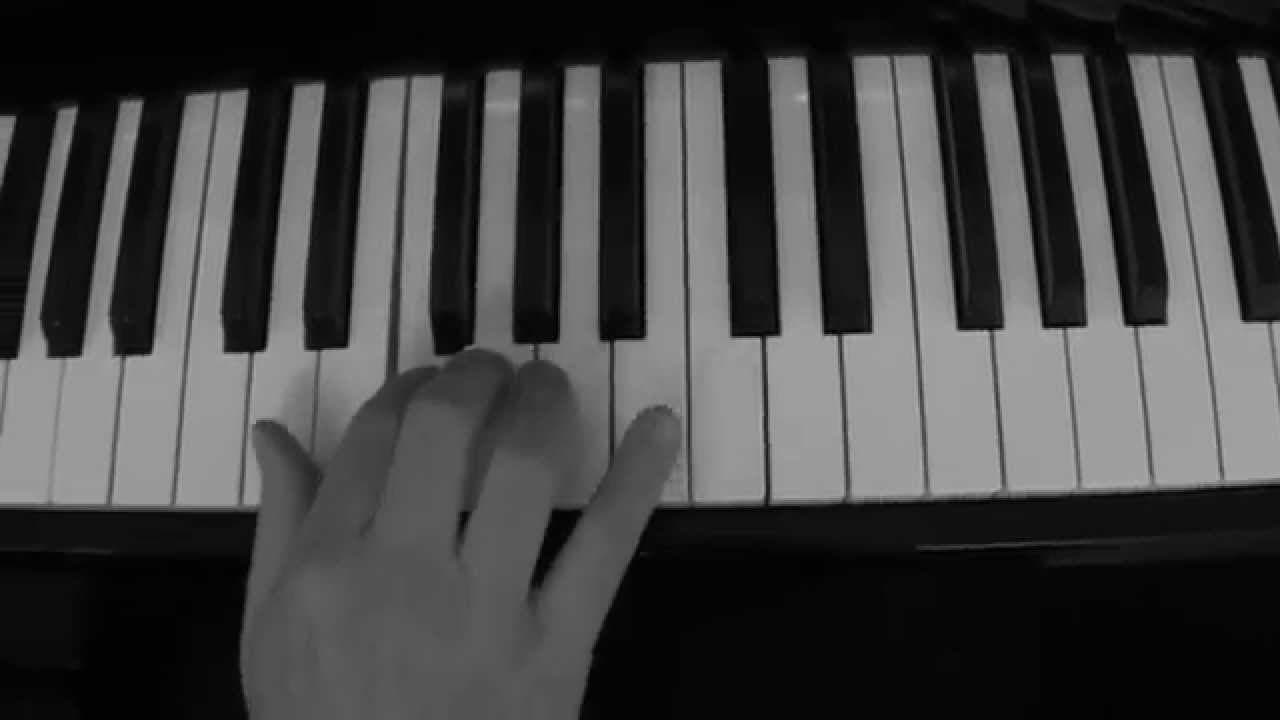
To use the D blues scale in your improvisation, focus on memorizing the notes D, F, G, G#, A, C, and practice playing them with different rhythms. This rhythmic approach enhances your bluesy sound and improvisational skills. The flat fifth (G#) is critical for achieving that authentic blues sound.
Transcript
hi guys we're talking about the blue scale and how essential the blue scale is in your Boogie Woogie and blues piano playing and in the last lesson we looked at the C blue scale and we showed you a little improvisation that you can start doing and now we're going to move up to the D blue scale so camera person come over here and the D blue scale is... Read More
Key Insights
- 💙 The blue scale is a crucial element in Boogie Woogie and blues piano playing.
- 🇩🇬 The D blue scale consists of the notes D, F, G, G#, A, C, D, with the G# being the blues note.
- 💙 Incorporating the blue scale into your improvisations can create a bluesy and authentic sound.
- 💙 Experimenting with different rhythms and timings using the blue scale can enhance your playing.
- 💁 The exact notes of the blue scale in different rhythms form a form of rhythmic improvisation.
- 💙 Practice and repetition are essential for mastering the blue scale and incorporating it into your playing.
- 💙 The blue scale can be combined with chord progressions to add complexity and depth to your improvisations.
Install to Summarize YouTube Videos and Get Transcripts
Explore YouTube Video Summarizer or Get YouTube Transcript Extractor
Questions & Answers
Q: What is the blue scale and its significance in Boogie Woogie and blues piano playing?
The blue scale is a specific set of notes that is commonly used in blues music to create a bluesy sound. It adds tension and character to the melodies and improvisations in Boogie Woogie and blues piano playing.
Q: How can I incorporate the blue scale into my piano improvisations?
To use the blue scale in your improvisations, start by playing the exact notes of the blue scale in different rhythms. Experiment with bouncy and swinging rhythms to give your playing a bluesy feel.
Q: How can I determine which notes to play when improvising with the blue scale?
If you're unsure of which notes to play, start by playing the exact notes of the blue scale. Focus on experimenting with different rhythms and timings rather than worrying about specific note choices. This will help develop your improvisational skills and create a bluesy sound.
Q: Can I use the blue scale in chord progressions?
Yes, you can incorporate the blue scale into your chord progressions. In the video, the instructor suggests playing a simple chord in the left hand while improvising with the blue scale in the right hand. This adds depth and dimension to your improvisations.
Summary & Key Takeaways
-
The video discusses the importance of the blue scale in Boogie Woogie and blues piano playing, specifically focusing on the D blue scale.
-
The D blue scale consists of the notes D, F, G, G#, A, C, D, with the flat fifth (G#) being the blues note.
-
To practice improvisation using the blue scale, start by playing the exact notes with different rhythms, which is a form of rhythmic improvisation.
Read in Other Languages (beta)
Share This Summary 📚
Summarize YouTube Videos and Get Video Transcripts with 1-Click
Try YouTube Summary with ChatGPT & Claude or YouTube Transcript Generator
Explore More Summaries from Brendan Kavanagh 📚






Summarize YouTube Videos and Get Video Transcripts with 1-Click
Try YouTube Summary with ChatGPT & Claude or YouTube Transcript Generator