What Can We Learn About Management from Chinese Philosophy?
TL;DR
Management lessons from Chinese business emphasize innovative approaches like Gāo Défú's two-hat model, where regional heads also serve at headquarters, and Miranda Qu's signature program to foster collaboration. These methods challenge traditional hierarchical structures, aligning more with Taoist principles that prioritize adaptability and empowering frontline staff to innovate.
Transcript
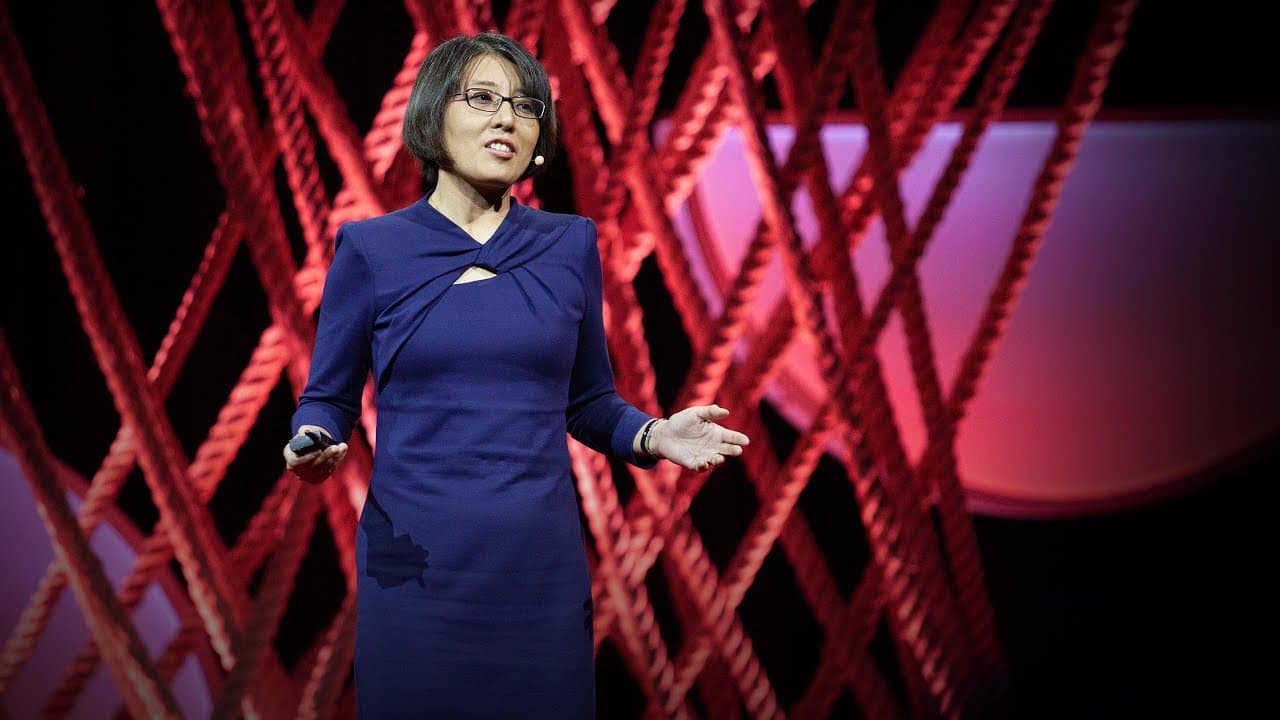
I love dumplings. But I seldom have dumplings in a restaurant, because my mom's cooking is the best. One day, I happened to take a bite of Dumpling Xi's dish. To my surprise, they had a flavor of going home. Fresh, chewy and unexpected. In addition to being a dumpling lover, I actually have a full-time job. I am a management consultant, so naturall... Read More
Key Insights
- 🥟 Gāo Défú founded Dumpling Xi 17 years ago and now has 500 stores and 8,000 employees, but three years ago, the growth of online food delivery services posed a challenge for the business.
- 💡 Rather than taking the classical approach, Gāo implemented a two-hat model, inviting successful regional heads to take on a second role at headquarters while still being frontline managers.
- ✨ After a learning period, sales began to pick up and the company launched fresh and spicy dumplings online, attracting more talent and translating individual capabilities into company policies.
- 🚀 Gāo's approach is a unique differentiator in China, where traditional management practices often focus on hierarchy and authority, while Gāo values natural strengths, growth mindsets, and tolerance for mistakes.
- 💬 Miranda Qu, founder of Xiaohongshu, created a "Signature Program" to challenge hierarchy and encourage collaboration, resulting in increased innovation and recognition as one of the most innovative Chinese companies.
- 💡 Ping An, a successful insurance company with 400,000 employees and multiple sectors, uses a centralized approach led by headquarters to drive innovation and cascade ideas to its subsidiaries.
- 🌱 These unconventional management mechanisms align more with Taoism than Confucianism, emphasizing shaping the context, supporting natural states, and letting things transform spontaneously.
- 👥 Effective leaders are those who work behind the scenes and empower their teams to take ownership and achieve success.
Install to Summarize YouTube Videos and Get Transcripts
Explore YouTube Video Summarizer or Get YouTube Transcript Extractor
Questions & Answers
Q: What led Dumpling Xi to implement the two-hat model for its senior executives?
The strong growth of online food delivery services had pulled consumers away from store visits, causing a concern for Gāo Défú, the founder of Dumpling Xi. Instead of hiring new executives, Gāo invited five successful regional heads to take on a second role at headquarters, while still being frontline managers. This unconventional approach was aimed at leveraging their natural strengths and growth mindsets to adapt to the changing market demands.
Q: How did Dumpling Xi's sales initially respond to the two-hat model implementation?
In the first three months of implementing the two-hat model, Dumpling Xi experienced fluctuating sales, with some even dropping by 20 percent. However, Gāo Défú remained undeterred and understood that the regional heads needed time to learn new skills while balancing their existing responsibilities.
Q: How did Dumpling Xi's sales performance change after the transition period?
After the transition period, something magical happened - Dumpling Xi's sales started to pick up again. One year later, the company even began launching fresh and spicy dumplings online, attracting more talents with start-up dreams. Moreover, the company began translating these individual new capabilities into company policies, differentiating itself from its competitors.
Q: How does Miranda Qu, the founder of Xiaohongshu, address the issue of hierarchy and ownership within her organization?
Miranda Qu observed that interns in Xiaohongshu referred to senior staff as "teachers," which signaled a hierarchical trend. To combat this issue and encourage a collaborative environment, Qu created the "Signature Program." This program allowed employees to choose avatar characters from popular stories, fostering conversations among employees from different cities, departments, and levels of the organization. These conversations inspired everyone at work and eliminated hierarchical barriers.
Summary & Key Takeaways
-
Gāo Défú founded Dumpling Xi and faced a decline in sales due to online food delivery services, prompting him to find a new management approach.
-
Gāo implemented a two-hat model, where regional heads took on a second role at headquarters while still being frontline managers, leading to a successful transition and increased sales.
-
Other examples of non-traditional management approaches include Miranda Qu's signature program at Xiaohongshu and Ping An's centralized approach to innovation. These methods challenge the hierarchy and promote collaboration.
Read in Other Languages (beta)
Share This Summary 📚
Summarize YouTube Videos and Get Video Transcripts with 1-Click
Try YouTube Summary with ChatGPT & Claude or YouTube Transcript Generator
Explore More Summaries from TED 📚

Summarize YouTube Videos and Get Video Transcripts with 1-Click
Try YouTube Summary with ChatGPT & Claude or YouTube Transcript Generator