How to Design Sustainable Interiors for Longevity
TL;DR
Sustainable interior design goes beyond aesthetics, focusing on longevity and environmental impact. By investing in quality materials and efficient systems, developers can save costs over time while enhancing building durability. Consumers should demand energy-efficient and environmentally friendly features to ensure long-term value and comfort.
Transcript
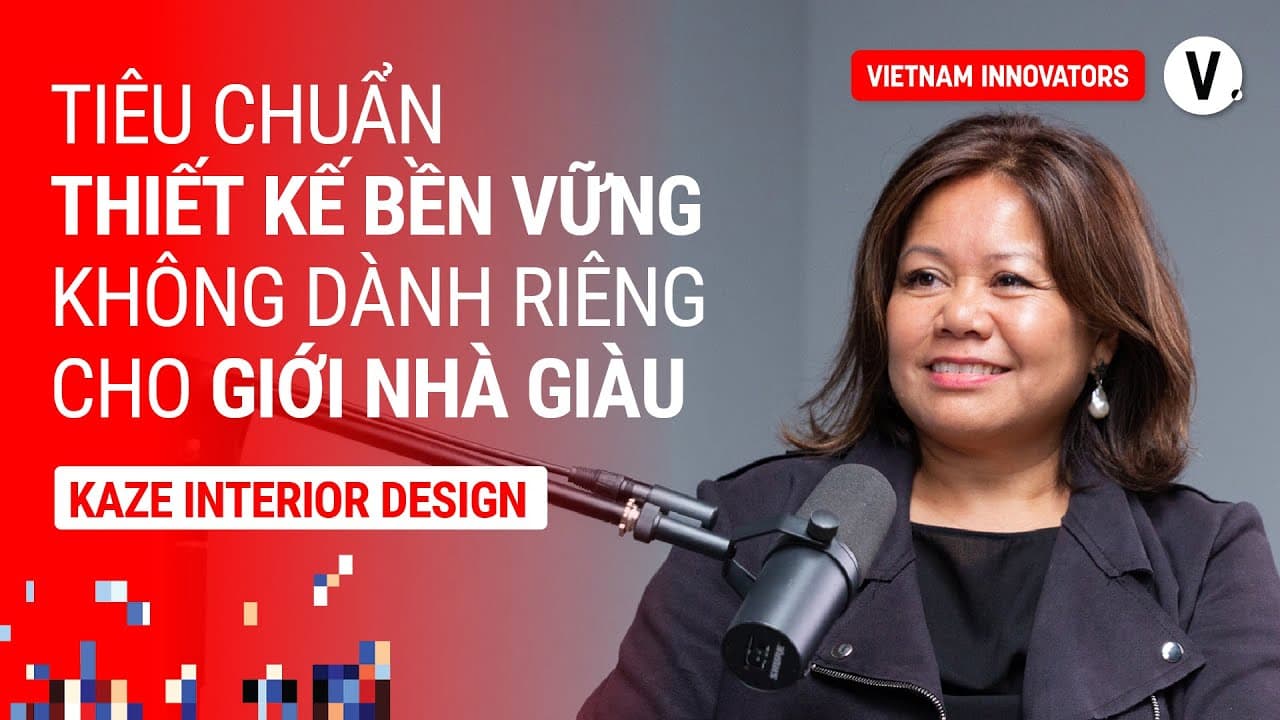
good morning everyone welcome to another episode of Vietnam innovators I have an old friend in the house this morning her name is Fung Chan we have Fang Chan on the show today she's the director and founder of Kaze Studios one of the most longest tenure kind of studios here focused on design and real estate in Vietnam she's been a designer here in ... Read More
Key Insights
- Sustainable design prioritizes longevity and environmental impact over mere aesthetics.
- Investing 10-15% more in sustainable materials can save 20-30% in energy costs over time.
- Vietnamese developers often allocate only 1% of budgets to consultancy, compared to 10% in Europe.
- Consumers should inquire about energy efficiency, cooling systems, and water recycling in buildings.
- Developers focus on short-term gains, often overlooking long-term sustainability and material quality.
- Sustainable features, like double glazing and UV protection, reduce energy consumption.
- Developers should incorporate green spaces and efficient systems to enhance building value.
- Awareness and education on sustainability are lacking among developers and consumers in Vietnam.
Install to Summarize YouTube Videos and Get Transcripts
Explore YouTube Video Summarizer or Get YouTube Transcript Extractor
Questions & Answers
Q: How can sustainable interior design save costs in the long run?
Sustainable interior design can save costs by investing in quality materials and efficient systems that reduce energy consumption and maintenance expenses. For example, using double glazing and UV protection can lower energy bills. While initial costs may be 10-15% higher, these investments can result in 20-30% savings over time, making the building more durable and cost-effective.
Q: What should consumers look for in sustainable buildings?
Consumers should look for features like energy-efficient cooling systems, water recycling capabilities, and quality materials that ensure longevity. Asking about the building's energy efficiency, the type of glazing used, and the presence of green spaces can help determine the building's sustainability. These features not only enhance comfort but also reduce long-term costs.
Q: Why do Vietnamese developers often overlook sustainability?
Vietnamese developers often prioritize short-term financial gains over long-term sustainability, allocating only 1% of budgets to consultancy compared to 10% in Europe. This approach leads to using cheaper materials and faster construction methods, which may not withstand the test of time. Increasing awareness and education about sustainable practices can help shift this focus.
Q: What are the benefits of sustainable design for developers?
Sustainable design offers developers long-term cost savings, enhanced building durability, and increased property value. By incorporating energy-efficient systems and quality materials, developers can reduce maintenance costs and appeal to environmentally conscious consumers. This approach not only benefits the environment but also provides a competitive edge in the market.
Q: How does sustainable design impact the environment?
Sustainable design reduces the environmental impact by minimizing energy consumption, using eco-friendly materials, and incorporating green spaces. These practices decrease carbon emissions and reliance on non-renewable resources, contributing to a healthier planet. Additionally, sustainable buildings often have a smaller ecological footprint, promoting environmental conservation.
Q: What role do consultants play in sustainable design?
Consultants play a crucial role in sustainable design by providing expertise on efficient systems, quality materials, and eco-friendly practices. They help developers make informed decisions that balance cost with sustainability, ensuring that buildings meet global standards. By investing more in consultancy, developers can achieve better outcomes and enhance building longevity.
Q: How can the industry promote sustainable practices?
The industry can promote sustainable practices by increasing awareness and education among developers and consumers. Sharing knowledge on the benefits of sustainable design, showcasing successful projects, and encouraging government incentives can drive change. Collaboration among architects, designers, and developers is essential to implement sustainable solutions effectively.
Q: What challenges do developers face in adopting sustainable design?
Developers face challenges such as higher initial costs, lack of awareness, and limited access to sustainable materials in adopting sustainable design. Overcoming these challenges requires a shift in mindset towards long-term benefits and collaboration with experts. Government incentives and consumer demand for sustainable features can also encourage developers to embrace sustainable practices.
Summary & Key Takeaways
-
Sustainable design in interiors is about creating spaces that last and reduce environmental impact. By investing in quality materials and efficient systems, developers can achieve long-term cost savings and enhance building durability. Consumers should ask about energy efficiency and sustainable features to ensure they get value and comfort over time.
-
Vietnamese developers often allocate minimal budgets to consultancy, focusing on short-term gains rather than long-term sustainability. This approach leads to buildings that may not withstand the test of time. By adopting global standards and practices, developers can improve building quality and sustainability.
-
Educating both developers and consumers on sustainable practices is crucial. Developers should consider the long-term benefits of sustainable design, while consumers need to demand energy-efficient and environmentally friendly features. This shift can lead to better quality buildings and a more sustainable future.
Read in Other Languages (beta)
Share This Summary 📚
Summarize YouTube Videos and Get Video Transcripts with 1-Click
Try YouTube Summary with ChatGPT & Claude or YouTube Transcript Generator
Explore More Summaries from Vietcetera 📚






Summarize YouTube Videos and Get Video Transcripts with 1-Click
Try YouTube Summary with ChatGPT & Claude or YouTube Transcript Generator